Get A Free Quote

We will get back to you within 8 hours

Name
Leave a message for purchasing needs or products of interest.
Drop files here or
Max. file size: 20 MB, Max. files: 10.
    For customized products or solutions, simply submit your needs document above. We’ll deliver your best-suited solution within 24 hours.

    Professional Floor Enhancer Solutions

    Floor enhancers are dual-purpose maintenance chemicals formulated to clean hard flooring surfaces while simultaneously restoring gloss and repairing superficial scratches through polymer-based restorative technology. Unlike traditional neutral cleaners that only remove soil, these products deposit micro-thin films that fill surface imperfections and enhance distinctness of image (DOI) with each daily application. Facilities using floor enhancers report 20-40% reductions in labor costs by extending burnishing intervals and reducing frequency of top-scrubbing operations.

    Stone Enhancer Selection for Color, Wet Look, and Sealing Goals

    Stone enhancing searches usually point to one of three decisions: restoring faded color, creating a wet-look finish, or adding light protection while keeping the stone's natural appearance. A natural stone enhancer or stone color enhancer is most useful when marble, granite, slate, terrazzo, or textured tile looks dry after cleaning, grinding, or outdoor weathering. It should not be treated as a substitute for crack repair, heavy sealing, or full polishing when the floor still has deep scratches or open pores.

    GSC query patternEnhancer directionWhat to confirm first
    Stone enhancing, stone enhancer, or natural stone enhancerUse a penetrating enhancer to deepen natural color without building a thick surface filmTest absorbency and check whether the stone has old wax, coating, or sealer residue that must be removed first.
    Best stone color enhancer, granite enhancer, or granite color enhancerChoose a color-deepening enhancer for dull granite, marble details, tops, windowsills, or decorative stoneConfirm whether the customer wants a subtle color lift or a stronger wet-look effect before applying across the full area.
    Slate color enhancing, tile enhancer, or floor enhancerUse an enhancer that suits porous slate, textured tile, or worn floor areas after cleaning and dryingMake a small before-and-after sample because porous stone can darken unevenly if moisture or residue remains.
    Stone enhancer sealer or natural stone enhancer sealerConsider an enhancer-sealer when color deepening and water or oil resistance are both part of the briefFor heavy traffic, exterior exposure, or chemical risk, compare a dedicated sealer or hardener instead of relying on enhancer alone.

    Stone enhancer before and after expectations should be set with a small test area. A stone enhancer can make mineral color look richer and can reduce the pale, dry look left after grinding or alkaline cleaning, but it will not fill missing stone, remove etch marks, or create a mirror gloss on its own. For gloss recovery, pair enhancement with polishing, crystallization, or high-gloss wax only after the surface is clean, dry, and mechanically prepared.

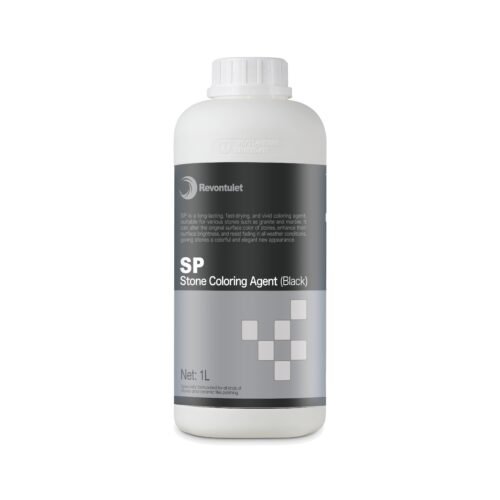
    Related product paths: compare ILPA VIVO Stone Color Enhancer for decorative stone color revival, ILPA GRANILUX Granite Enhancer for granite color and oil-repellent needs, ILPA EXTRA DROPS Wet Effect for outdoor wet-look stone, SP Stone Coloring Agent when stronger color correction is required, and SR 2-in-1 Stone Reinforcing Hardener when porous stone also needs strengthening.

    Contact a KingHome Expert

    Featured Products

    Q: How do floor enhancers differ from floor finish coatings?

    A: Floor enhancers and finish coatings serve distinct roles, differing in action mechanism, appearance impact, and purpose:

    Enhancers are penetrating products that seep into porous floors (e.g., natural stone) to boost inherent qualities—deepening color (e.g., enriching travertine’s tones) or enhancing subtle gloss without forming a thick surface layer. They preserve the floor’s natural texture and feel, ideal for highlighting stone’s uniqueness, and work best when applied after sealing.

    Finish coatings, by contrast, form a visible, protective film on the floor’s surface. They prioritize durability: resisting scratches, stains, and heavy traffic (e.g., mall corridors) while creating a uniform finish (matte, satin, or high-gloss) that may mask some natural texture. They require regular reapplication (every 6–12 months for high-traffic areas) and are often used for functional, high-wear spaces over aesthetic preservation.

    Q: Can I Apply an Enhancer Over an Existing Sealer or Old Enhancer?

    A: It depends on the type and condition of the existing layer, with key caveats to avoid poor adhesion or uneven results.

    For existing sealers: Breathable, impregnating sealers (which penetrate stone pores without forming a surface film) work—they let the enhancer seep through to interact with the stone. But non-breathable surface sealers (e.g., acrylic coatings) block penetration; you must first strip them with a stone-safe stripper, then clean and dry the floor.

    For old enhancers: If the old layer is intact (no peeling, dulling, or patchiness), clean it thoroughly with a pH-neutral cleaner, then apply a thin “top-up” coat. If it’s worn, uneven, or discolored, strip it first—otherwise, the new enhancer will amplify imperfections.

    Always test on a hidden spot first to check compatibility, and follow the enhancer manufacturer’s guidelines for prep and application.

    Q: Which Stone Types Benefit Most from Enhancers?

    A: Porous, naturally muted, or dull-prone stone types gain the most from enhancers—since these products penetrate pores to amplify color depth and boost subtle gloss without masking the stone’s inherent texture.

    Marble (especially light or veined varieties) benefits greatly: enhancers deepen its soft hues (e.g., creamy whites, pale grays) and enhance vein definition, reviving dull surfaces without heavy polishing. 

    Limestone and travertine, highly porous stones with subtle earthy tones, see dramatic improvements—enhancers reduce their chalky appearance, enrich beige/brown shades, and highlight unique pore textures.

    Sandstone also profits: its rough, porous structure soaks up enhancers to intensify warm reds, oranges, or yellows, while adding a gentle sheen that preserves its natural rustic look.

    Stones to use cautiously: Highly polished granite (already glossy, may look overly dark) or non-porous quartzite (enhancers can’t penetrate, offering little benefit). Always test enhancers on a hidden spot first, even for suitable stones, to avoid unintended color shifts.

    Q: How Long Does the Effect of a Commercial Stone Enhancer Last?

    A: The longevity of a commercial stone enhancer’s effect depends on three key factors: foot traffic, maintenance habits, and the enhancer’s formulation, with typical lifespans ranging from 6 to 18 months.

    High-traffic areas (e.g., mall corridors, hotel foyers) wear down the enhancer faster, so effects last 6–12 months. Low-traffic spaces (e.g., office meeting rooms, lobby corners) see less abrasion, extending effects to 12–18 months.

    Solvent-based enhancers, which penetrate deeper into stone pores, last 30–50% longer than water-based ones. Proper maintenance—dry mopping regularly, cleaning with pH-neutral stone cleaners, and avoiding harsh scrub brushes—also prolongs results.

    Harsh use (e.g., dragging heavy furniture, using acidic cleaners) shortens lifespan. Always follow the manufacturer’s guidelines, and check the floor every 3–6 months; when color depth or gloss fades noticeably, a thin top-up coat can refresh the effect.

    Q: What to Do if Enhancer Causes Clouding, Streaks, or Uneven Color?

    A: Address these issues promptly to avoid permanent damage, with solutions tailored to each problem:

    Clouding: Caused by trapped moisture or excess enhancer. Blot with a dry microfiber cloth to absorb surface moisture. For stubborn cases, lightly wipe with a stone-safe solvent (e.g., isopropyl alcohol) on a clean cloth—this dissolves excess product without etching. Let dry fully, then reapply a thin, even coat.

    Streaks: Result from uneven application or incomplete wiping. Buff the area with a clean, dry microfiber cloth using circular motions to blend streaks. For persistent marks, use a soft polishing pad (non-abrasive) to smooth the surface gently.

    Uneven color: Occurs due to varying stone porosity or uneven penetration. Test a second thin coat on a hidden spot first—if safe, apply it to lighter areas to balance tone. Avoid over-application, as this can darken patches further. If the issue persists, strip the enhancer with a stone-safe remover, clean thoroughly, and reapply correctly.

    Always follow up with a pH-neutral cleaner to remove residue and prevent recurrence.
    en_USEnglish