WELCOME TO KINGHOME
Get A Free Quote
We will get back to you within 8 hours

WELCOME TO KINGHOME
We will get back to you within 8 hours

Floor scrubber brushes are rotating cleaning attachments for commercial floor machines that remove dirt, stains, and buildup from hard surfaces. The two primary types are nylon brushes (durable, gentle on sensitive floors, higher cost) and polypropylene brushes (aggressive cleaning, economical, ideal for textured surfaces). Selection depends on floor material—nylon for marble, granite, and terrazzo; polypropylene for concrete and grouted tile.
Choosing the right floor scrubber brushes determines cleaning effectiveness, floor preservation, and equipment longevity in commercial facilities. Facility managers and maintenance teams face a critical decision: which brush material, bristle stiffness, and configuration will deliver optimal results for their specific flooring without causing damage? This guide addresses the technical specifications, application criteria, and maintenance protocols for professional floor machine brushes used in hospitality properties, commercial buildings, and stone installation projects. Whether you’re maintaining polished marble lobbies or restoring industrial concrete, understanding brush selection fundamentals prevents costly mistakes and maximizes cleaning performance.
The choice between nylon and polypropylene scrubber brushes impacts cleaning performance, operational costs, and floor surface preservation. Nylon brushes offer superior durability with excellent bend recovery, meaning bristles return to their original shape after compression. The material exhibits exceptional abrasion resistance, translating to longer lifespan in high-use commercial applications. Nylon’s softer bristles make it ideal for delicate surfaces like marble, granite, and terrazzo where scratch prevention is critical. The material demonstrates chemical resistance to most cleaning solutions, though it absorbs 3-7% water during use. The primary drawback is higher initial cost compared to polypropylene alternatives.
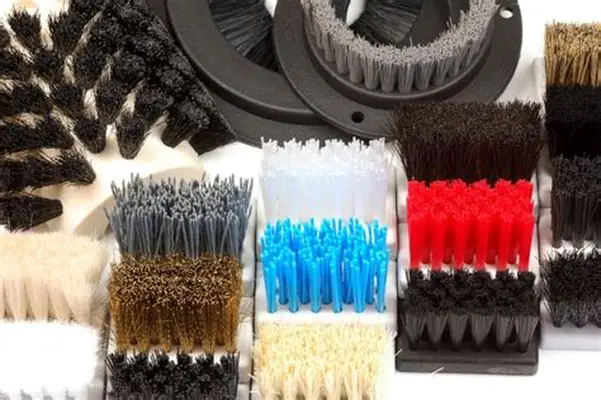
Polypropylene brushes feature stiffer bristles that deliver more aggressive cleaning action on heavily soiled or textured surfaces. The material absorbs minimal water (nearly zero moisture retention), and exhibits natural resistance to fungus and bacteria growth. Polypropylene’s economical pricing makes it attractive for budget-conscious operations and high-wear applications where frequent replacement is expected. However, the stiffer bristles can scratch sensitive stone surfaces, and the material shows shorter lifespan under intensive daily use compared to nylon.
| Property | Nylon Brush | Polypropylene Brush |
|---|---|---|
| Abrasion Resistance | Excellent (longer lifespan) | Good (shorter lifespan) |
| Bristle Flexibility | Soft, excellent bend recovery | Stiff, aggressive cleaning |
| Water Absorption | 3-7% | Nearly 0% |
| Chemical Resistance | High | Very high |
| Cost | Higher initial investment | Economical |
| Best Applications | Marble, granite, terrazzo, wood | Concrete, tile with grout, industrial floors |
Hybrid brush configurations combine both materials to balance performance characteristics. Some manufacturers offer brushes with nylon outer bristles for gentle surface contact and polypropylene inner bristles for aggressive soil removal, optimizing both cleaning power and floor protection.
Floor material dictates brush selection more than any other factor. Matching bristle stiffness and material to surface hardness prevents damage while ensuring effective cleaning.
Stone Floors (Marble, Granite, Terrazzo): These premium surfaces require nylon brushes with soft bristles to prevent microscopic scratching that dulls high-gloss finishes. Natural stone’s calcium carbonate composition makes it vulnerable to both physical and chemical damage. Pair soft nylon brushes with pH-neutral cleaning solutions specifically formulated for stone care. For hotel lobbies and commercial atriums featuring polished marble or granite, gentle cleaning preserves the mirror-like finish that defines luxury aesthetics. When paired with the right floor scrubber brushes, professional granite and terrazzo floor cleaning machines deliver superior restoration results for commercial stone surfaces, combining mechanical action with specialized chemical treatments.

Concrete and Industrial Floors: These durable surfaces benefit from polypropylene or grit-enhanced brushes for aggressive soil removal. Stiff bristles penetrate concrete’s porous, textured surface to extract embedded dirt that softer brushes cannot reach. For heavy industrial applications or post-construction cleaning, consider high-pressure floor scrubbers equipped with abrasive brushes designed for tough environments. MAL-GRIT brushes incorporate silicon carbide or aluminum oxide particles for stripping old coatings or preparing concrete for sealing.
Tile and Grouted Surfaces: Polypropylene brushes excel at reaching into grout lines on ceramic, porcelain, vinyl, and linoleum floors. The stiffer bristles agitate dirt trapped in crevices between tiles, achieving cleanliness that flat pads cannot match. For glazed ceramic tile in commercial restrooms or food service areas, medium-stiffness polypropylene provides thorough cleaning without damaging the glazed surface.
Wood, Laminate, and Sensitive Finishes: These surfaces demand the gentlest approach using soft nylon or natural fiber brushes made from horsehair or tampico. Aggressive bristles strip protective coatings and create visible scratches in wood grain or laminate surfaces. Many facility managers avoid rotary brushes entirely on these materials, opting instead for microfiber pads.
Critical Sizing Consideration: Brush diameter should be approximately 2 inches smaller than your floor machine’s rated capacity. A 20-inch floor machine requires an 18-inch brush to ensure proper bristle contact angle and prevent motor strain.
Worn brushes compromise cleaning performance and potentially damage flooring surfaces. Professional maintenance protocols establish clear replacement criteria to maintain operational efficiency.
Red Wear Indicator Method: Many commercial brushes incorporate red indicator bristles mixed into the standard bristles. Replace the brush when these red indicators wear down to match the length of surrounding bristles—typically indicating 50% bristle wear. This visual system eliminates guesswork for maintenance teams managing multiple machines.
10mm Bristle Length Rule: As a general replacement guideline across brush types, replace brushes when bristles wear down to 10mm in length. At this point, bristles lose the flexibility and contact pressure needed for effective cleaning. Measure bristle length at multiple points around the brush circumference, as uneven wear patterns indicate alignment or pressure issues requiring attention.
Performance-Based Indicators: Beyond physical measurements, operational changes signal replacement needs:
Inspection Frequency Standards: Inspect brushes every 3-6 months under normal commercial use. High-traffic facilities like airports, shopping centers, or convention halls require monthly inspections due to accelerated wear. Daily visual checks take less than two minutes and prevent sudden failures during critical cleaning operations.
Impact of Worn Brushes: Operating with excessively worn brushes creates cascading problems. Cleaning effectiveness decreases, requiring additional labor hours and chemical consumption to achieve acceptable results. Worn bristles can scratch floors as the rigid brush backing makes surface contact. The floor machine motor experiences increased strain attempting to compensate for reduced bristle friction, potentially shortening equipment lifespan.
OEM Parts Recommendation: Always replace brushes with original equipment manufacturer (OEM) parts or quality equivalents meeting the same specifications. Generic brushes may fit mechanically but use inferior materials that wear faster or damage floors.
Proper maintenance extends brush lifespan by 40-60% while maintaining consistent cleaning performance.
Daily Maintenance Protocol:
Weekly Maintenance Tasks:
Monthly Maintenance Routines:
Storage Best Practices: Store brushes in a dry, ventilated area away from direct sunlight. Avoid stacking brushes in ways that compress bristles out of shape. Moisture trapped in stored brushes promotes mold growth, particularly in nylon bristles with their higher water absorption. Consider dedicated brush racks that allow air circulation around all surfaces.
Chemical Compatibility Verification: Ensure your stone care chemicals and floor polishing compounds are compatible with your brush material. While both nylon and polypropylene resist most pH-neutral cleaners, highly alkaline strippers or acidic descalers can degrade certain brush materials over time.
Commercial property managers, hotel maintenance teams, and stone installation contractors require specialized brush configurations beyond standard cleaning applications.
Grit-Enhanced Brushes: MAL-GRIT brush variations incorporate abrasive particles for intensive concrete and stone work. Different grit levels serve distinct purposes: coarse grit (24-46) for stripping old coatings and heavy contamination removal, medium grit (60-80) for deep cleaning textured concrete, and fine grit (120-180) for polishing and honing natural stone. These brushes pair effectively with products like Beton Shine for concrete floor polishing applications.
Polishing Brushes for High-Gloss Restoration: Hotel lobbies and executive office buildings featuring marble or granite flooring require periodic restoration to maintain mirror-like finishes. Specialized polishing brushes with ultra-soft natural fibers or microfiber-enhanced nylon create the friction needed for compound-based polishing without introducing scratches. These brushes work in conjunction with multi-stage polishing compounds to restore gloss levels to 85+ on the reflectometer scale.
Soft Bristle Requirements for Natural Stone Preservation: Preserving natural stone’s integrity requires matching brush softness to stone hardness on the Mohs scale. Softer stones like limestone (Mohs 3-4) and marble (Mohs 3-4) demand the gentlest nylon bristles, while harder granite (Mohs 6-7) tolerates slightly stiffer configurations. Facility managers overseeing mixed-flooring properties should maintain separate brush inventories labeled by application to prevent cross-contamination.
Integration with Chemical Systems: Brush selection must coordinate with your complete floor care system. When using specialized stone treatment chemicals, verify that brush materials won’t react with active ingredients or reduce chemical effectiveness through excessive absorption. For example, high-water-absorption nylon brushes dilute cleaning solutions faster than polypropylene alternatives, requiring more frequent solution replacement.
Application Scenarios: Stone installation contractors performing post-installation cleaning face heavy grout residue, thin-set mortar, and construction debris requiring aggressive polypropylene brushes initially, followed by soft nylon brushes for final polishing. Hotel facility maintenance teams balancing daily cleaning with periodic restoration need dual-brush systems: economical polypropylene for routine soil removal and premium nylon for monthly restorative maintenance. Commercial building maintenance supervisors managing multiple surface types benefit from comprehensive brush selection matched to their specific flooring inventory.
Floor scrubber brushes directly impact cleaning outcomes, floor preservation, and operational efficiency in commercial facilities. Select nylon brushes for delicate stone surfaces like marble, granite, and terrazzo; choose polypropylene for aggressive cleaning on concrete, tile, and industrial floors. Replace brushes when indicator bristles align with standard bristles or when length reaches 10mm, typically every 3-6 months depending on usage intensity. Daily debris removal, weekly deep cleaning, and proper storage extend brush lifespan by up to 60%.
For facility managers overseeing stone flooring in hospitality and commercial properties, coordinating brush selection with specialized stone care chemicals ensures optimal results. Stone installation contractors should maintain separate brush inventories for post-construction cleaning versus polishing applications to prevent cross-contamination. By matching brush material, bristle stiffness, and maintenance protocols to your specific flooring requirements, you protect your investment while achieving professional cleaning standards.

