WELCOME TO KINGHOME
Get A Free Quote
We will get back to you within 8 hours

WELCOME TO KINGHOME
We will get back to you within 8 hours

Concrete floor grinders remove material aggressively for surface preparation, coating removal, and leveling using coarse diamond abrasives (30-400 grit). Concrete polishers refine surfaces to achieve high-gloss finishes using progressively finer abrasives (400-3000 grit). Choose grinders for heavy-duty surface prep and repair; select polishers for decorative finishing and shine enhancement.
Selecting between a concrete polishing machine and a floor grinder determines whether your project succeeds or fails. Commercial property managers, flooring contractors, and facility maintenance teams frequently face this equipment decision when evaluating concrete floor projects. The distinction goes beyond price—each machine serves fundamentally different purposes in concrete surface treatment. Understanding these differences ensures you invest in the right equipment, avoid costly mistakes, and deliver professional results.
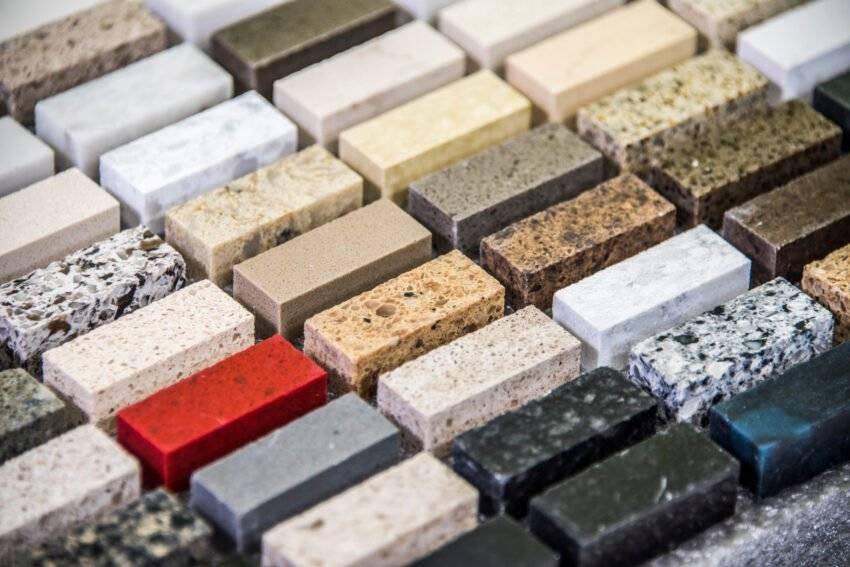
Concrete grinders and polishers operate on opposite ends of the surface treatment spectrum. Grinders function as aggressive material removal tools, while polishers refine and enhance concrete surfaces to reflective finishes.
| Feature | Concrete Floor Grinder | Concrete Polishing Machine |
|---|---|---|
| Primary Purpose | Aggressive surface removal, leveling, coating elimination | Surface refinement, high-gloss finishing, shine development |
| Diamond Grit Range | 16-400 grit (coarse to medium) | 100-3000 grit (medium to ultra-fine) |
| Surface Finish | Flat, matte, textured profile (CSP 1-5) | Glossy, reflective, mirror-like surface |
| Material Removal | 1/32″ – 1/4″ depth capability | Minimal removal, focuses on refinement |
| Process Type | Single-stage or two-stage grinding | Multi-stage progression (grinding → honing → polishing) |
| Typical Speed | 150-200 RPM for aggressive cutting | Variable speed, higher RPM for polishing stages |
| Best Applications | Surface prep, repair, coating removal, leveling | Decorative finishes, shine restoration, densification |
The fundamental difference lies in abrasive progression. Grinders start with 16-40 grit diamonds for aggressive removal, while polishers begin where grinders end—using 100+ grit to systematically refine surfaces through honing (200-400 grit) and polishing (800-3000 grit) stages.
Can a concrete grinder be used as a polisher? Many modern floor grinders offer variable speed settings and can accommodate finer grit tooling, allowing them to transition from grinding to polishing operations. However, dedicated polishing machines provide superior results for final high-gloss finishes due to optimized weight distribution, RPM control, and planetary head configurations.
Concrete grinders excel in six critical surface preparation and restoration scenarios:
For hard concrete surfaces, use softer bond diamonds (20-40 grit) so the bond and diamond wear at equal rates, exposing fresh cutting edges. Conversely, soft concrete requires harder bonds to prevent excessive diamond exposure and premature wear.
Concrete polishing machines deliver decorative, durable, and high-performance surfaces in applications where appearance and longevity matter:
Densification timing varies based on concrete hardness. Soft or marginally strong concrete benefits from early densification after the first grind (80-100 grit) to harden the surface for subsequent tooling. Standard applications apply densifier after 200 or 400-grit resin stages, keeping the surface saturated for 20-30 minutes to ensure full chemical reaction.
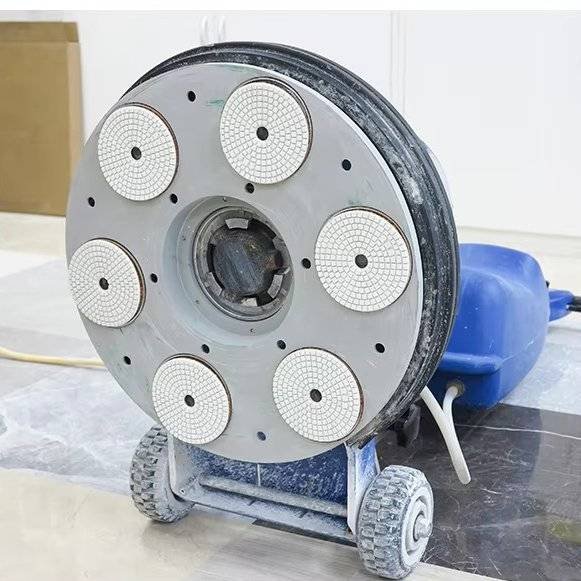
Selecting the appropriate concrete grinding or polishing equipment requires evaluating six critical specification categories:
Machine size and configuration determine project suitability. Walk-behind grinders (10″-27″ working width) balance maneuverability with productivity, grinding 250-1,000 ft²/hr depending on width and power. Ride-on models exceed 2,000 ft²/hr for large commercial spaces. Handheld grinders (4″-7″ diameter) access edges, corners, and confined areas inaccessible to larger equipment.
Disk configuration impacts cutting efficiency and finish quality. Single-disc rotary grinders use one large grinding head (typically 17″-20″) that rotates directly on the floor surface. Planetary grinders feature 3-6 smaller satellite heads that counter-rotate around a central drum, creating balanced operation and consistent surface cuts. The opposing rotation pattern (satellite heads spin opposite to the main drum) produces superior flatness and eliminates swirl marks.
Power requirements vary by application intensity. Electric models operate on 110V (residential), 220V (light commercial), or 415V three-phase (industrial) power. Propane and gasoline engines provide portability for outdoor applications or sites without electrical infrastructure. Industrial applications typically require 1.5-5 HP motors for effective grinding performance.
Diamond tooling compatibility determines versatility. Metal-bonded diamonds (16-120 grit) attach via magnetic, bolt-on, or quick-change systems for grinding stages. Resin-bonded diamonds (100-3000 grit) provide finer polishing but require compatible backing plates. Verify grit progression compatibility—machines optimized for coarse grinding may not accommodate ultra-fine polishing pads effectively.
What grit should I use for polishing concrete? Start polishing sequences at 100-200 grit after grinding completion. Progress through 400 grit (develops low sheen), 800 grit (medium shine), and 1500-3000 grit (glass-like high-gloss finish). Never skip grit stages—each level must completely remove scratches from the previous grit before advancing.
Dust control systems affect workplace safety and compliance. Integrated vacuum systems or shrouded grinding attachments capture silica dust at the source, meeting OSHA respirable crystalline silica regulations. Dust extraction also improves diamond tooling visibility and performance by preventing material buildup.
Weight and pressure capacity influence grinding effectiveness. Heavier machines (200-500+ lbs) apply greater pressure for aggressive material removal on hard concrete. Variable weight systems using removable ballast plates adapt to different concrete hardness levels and grit stages—maximum weight for coarse grinding (25-80 grit), reduced weight for fine polishing (800+ grit).
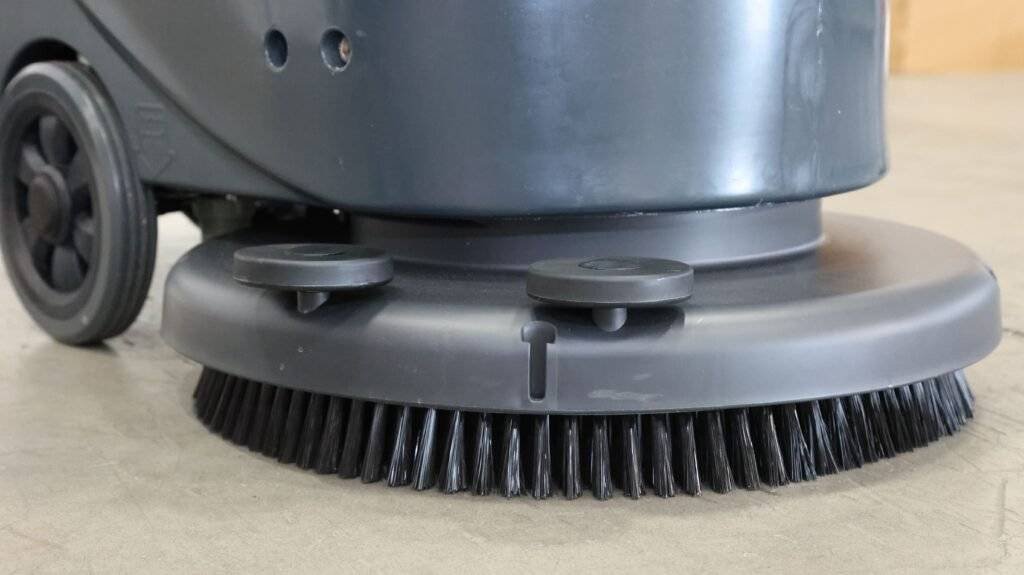
Equipment selection follows a systematic evaluation of floor condition, project objectives, and operational constraints:
How do I know if my floor needs grinding or polishing? Assess current surface condition objectively. Floors with coatings, adhesive residue, severe unevenness (>1/8″ variations), damaged areas, or requiring surface profile for coating adhesion need grinding first. Clean, structurally sound concrete seeking decorative enhancement or gloss development proceeds directly to polishing.
Define your end goal precisely. Functional surfaces for warehouses, manufacturing facilities, or coating substrates require grinding to achieve proper CSP levels and flatness. Decorative installations in retail, hospitality, or commercial real estate demand polishing to develop clarity of reflection, color depth, and aesthetic appeal.
Project scale influences equipment selection. Residential garages and small commercial spaces (under 2,000 ft²) justify walk-behind single-disc or compact planetary grinders. Large commercial installations (10,000+ ft²) require ride-on equipment or multiple walk-behind units to meet timeline and budget constraints. Consider professional floor maintenance equipment that serves multiple applications beyond concrete grinding.
Budget and timeline constraints shape approach. Single-stage grinding delivers functional results fastest but limits aesthetic potential. Multi-stage polishing requires more equipment, labor hours, and consumables but produces premium finishes that command higher project values and longer service life. Calculate cost per square foot including labor, diamond tooling consumption, and equipment depreciation.
The hybrid approach optimizes most projects. Starting with grinding (30-100 grit) to remove imperfections and level surfaces, then transitioning to polishing (100-3000 grit) for decorative finishing delivers both performance and aesthetics. This methodology requires variable-speed planetary grinders capable of accommodating both metal-bonded grinding tools and resin-bonded polishing pads.
Professional versus DIY considerations matter. Professional contractors justify equipment ownership for recurring projects and maximize productivity with specialized machines. Facility managers handling occasional projects should evaluate rental options or contractor services. Equipment rental provides access to specialized grinders and polishers without capital investment, though rental costs accumulate quickly on extended projects.
Concrete grinding and polishing serve distinct but complementary roles in concrete floor treatment. Grinders aggressively remove material, prepare surfaces, and create proper profiles using coarse diamonds (16-400 grit). Polishers refine surfaces through systematic honing and polishing stages using fine abrasives (100-3000 grit) to achieve high-gloss, durable finishes.
Select grinders when floors require coating removal, leveling, repair, or surface profile creation for adhesion. Choose polishers for decorative applications demanding clarity of reflection, color enhancement, and mirror-like shine. Most professional installations benefit from sequential grinding and polishing to optimize both performance and aesthetics.
For comprehensive concrete floor care beyond equipment selection, explore our complete range of professional floor maintenance equipment and chemical solutions, including specialized concrete densifiers and polishing compounds that enhance machine performance and extend surface durability. Proper chemical treatment during polishing stages transforms good results into exceptional, long-lasting concrete floors that resist wear, repel stains, and maintain reflective beauty for decades.

