WELCOME TO KINGHOME
Get A Free Quote
We will get back to you within 8 hours

WELCOME TO KINGHOME
We will get back to you within 8 hours
Floor polishers encompass both chemical polishing compounds and mechanical equipment designed to restore and maintain the surface finish of stone, marble, terrazzo, and other hard flooring materials. These solutions address common facility maintenance challenges including loss of surface gloss, embedded staining, surface scratching, and the need for efficient large-area treatment in commercial environments.
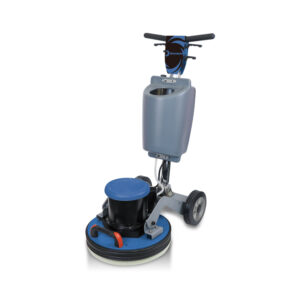
Choose a floor polisher by matching the work area, surface material, operator skill, and whether the job is buffing, crystallization, stone restoration, or daily floor maintenance. Single-disc polishers fit routine commercial work, orbital machines help with easier control, and high-speed or specialty stone polishers support gloss restoration on marble, granite, terrazzo, and concrete.
| Equipment need | Machine direction | Typical application |
|---|---|---|
| Daily buffing or maintenance | Single-disc floor polisher | Commercial floors, waxed surfaces, public areas |
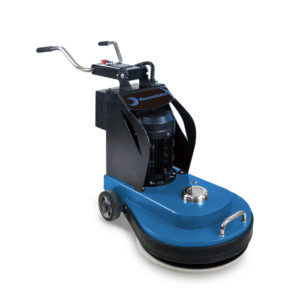
| Stone gloss restoration | Stone polishing machine or high-speed polisher | Marble, granite, terrazzo, concrete |
| Easier control for operators | Orbital or eccentric polisher | Hotels, offices, tight spaces, mixed surfaces |
| Small-area detail work | Mini polisher or countertop polisher | Edges, stairs, counters, repair zones |
Use this archive to compare KingHome floor polishers by machine size, RPM, power, pad compatibility, stone-care workflow, and whether the project needs cleaning, buffing, polishing, or restoration.
Chemical polishing powders deliver crystallization and surface hardening through specialized formulations that react with calcium-based stone surfaces. Application typically requires compatible rotary equipment operating at 175-300 RPM with appropriate pad selection for the substrate type. Performance characteristics include gloss restoration measured in gloss units, coverage rates per container, and working time before crystallization completes.
Mechanical floor polishing equipment ranges from single-disc rotary machines for general applications to planetary systems for aggressive surface preparation. Key specifications include motor horsepower (typically 1.5 HP for commercial use), rotational speed (175 RPM for polishing, 1500+ RPM for burnishing), cleaning path width, and machine weight affecting pad pressure. Equipment selection depends on floor type, area size, desired finish level, and whether the application requires wet chemical processing or dry buffing.
Primary applications span hospitality facilities, healthcare institutions, commercial office buildings, retail spaces, and institutional properties where stone or resilient flooring requires ongoing maintenance. Industry standards emphasize proper operator training, appropriate chemical-equipment pairing, and scheduled maintenance protocols to achieve optimal surface preservation and appearance retention.
Technical support services include on-site application training, product selection guidance based on substrate analysis, and maintenance program development for specific facility requirements. Many operations implement tiered maintenance schedules combining daily dust control, weekly restorative polishing, and periodic deep treatment to optimize labor efficiency while maintaining appearance standards.
GET IN TOUCH
When buyers compare an industrial polisher machine, the practical choice is usually between a single-disc machine, a high-speed polisher, an orbital polisher, or a specialist stone polishing machine. A floor polishing machine for daily buffing is not always the same machine used for marble polishing machine work, terrazzo restoration, or crystallization on a high-traffic stone floor.
| Search intent | Machine direction | Selection note |
|---|---|---|
| Floor polishers or floor polisher | Single-disc or high-speed floor polisher | Match pad size, RPM, operator control, and floor finish before comparing price. |
| Stone polishing machines | Stone floor polisher with suitable pads or crystallization accessories | Use controlled pressure and surface-specific pads for marble, granite, terrazzo, and engineered stone. |
| Marble polishing machine or marble floor polishing machine | Low-speed polishing machine, crystallization system, or restoration polisher | Protect sensitive marble from excessive heat, aggressive pads, and the wrong chemical pairing. |
| Polisher machine for floor maintenance | Compact, single-disc, or orbital polisher | Choose by room size, turning radius, noise requirement, and staff training level. |
A stone floor polishing machine should be selected around surface condition, not only horsepower. If the floor is dull but flat, pads and polish chemistry may matter more than a heavy grinder. If the surface has lippage, deep scratches, or coating residue, compare grinder and polisher workflows before choosing the polishing machine. For a marble polisher machine, always confirm pad sequence, chemical compatibility, and whether the work is maintenance polishing or restoration.
Useful related guides include industrial floor polishing machines, best floor polishers for industrial facilities, and floor grinder vs concrete polisher.


u003cstrongu003eA: u003c/strongu003eFloor polishers operate at higher speeds (1500+ RPM) specifically for creating high-gloss finishes on hard surfaces, while buffers run at lower speeds (175-300 RPM) for general scrubbing, stripping, and maintenance tasks. Polishers focus on finish enhancement, whereas buffers handle broader cleaning applications including wax removal and surface preparation. Most commercial operations require both types for complete floor care programs.
u003cstrongu003eA: u003c/strongu003eStone polishing applications typically require 175-300 RPM for chemical crystallization processes using polishing powders on marble and terrazzo. High-speed burnishing operations use 1500-2000 RPM for dry buffing and gloss enhancement. Lower speeds provide better control for chemical reactions, while higher speeds generate the friction needed for mechanical polishing.
u003cstrongu003eA: u003c/strongu003ePolishing systems work on marble, granite, terrazzo, travertine, limestone, and certain resilient floors including VCT and linoleum. Chemical polishing powders specifically target calcium-based stone surfaces for crystallization. Equipment compatibility varies by pad selection and chemical formulation, with some products designed for natural stone while others suit synthetic surfaces.
u003cstrongu003eA: u003c/strongu003eHigh-traffic commercial facilities typically require restorative polishing weekly with daily dust mopping and spot maintenance. Low to moderate traffic areas may extend polishing intervals to bi-weekly or monthly depending on appearance standards. Professional maintenance programs establish tiered schedules based on traffic patterns, floor type, and facility presentation requirements.
u003cstrongu003eA: u003c/strongu003eProfessional floor care suppliers provide on-site operator training covering machine handling, chemical application techniques, safety protocols, and maintenance procedures. Technical support includes substrate analysis for product selection, troubleshooting assistance, and program optimization guidance. Many suppliers offer demonstration services and ongoing consultation for facility-specific applications.


 English
  Spanish