WELCOME TO KINGHOME
Get A Free Quote
We will get back to you within 8 hours

WELCOME TO KINGHOME
We will get back to you within 8 hours
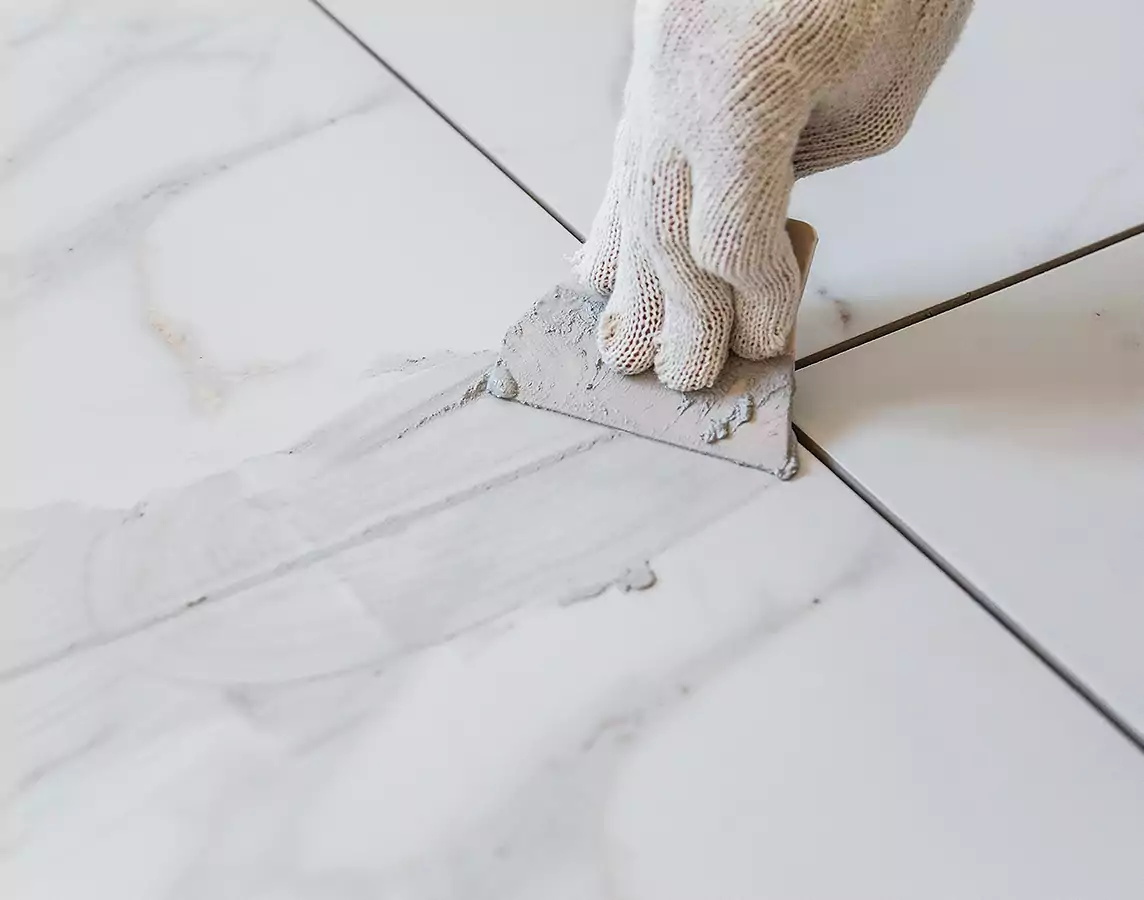
Natural stone, celebrated for its unique textures and premium tactile quality, has always been the “facade” of high-end architecture. However, this facade is often quietly eroded from the inside out by an seemingly insignificant auxiliary material: stone adhesives. Whether it is epoxy resin used for structural reinforcement or silicone sealants applied for joint sealing, improper selection or application leaves stubborn “scars” that are far more resilient than expected.
This article provides a deep dive into the types of contamination, underlying chemical and physical mechanisms, and real-world case studies to help you unmask this “invisible killer.”
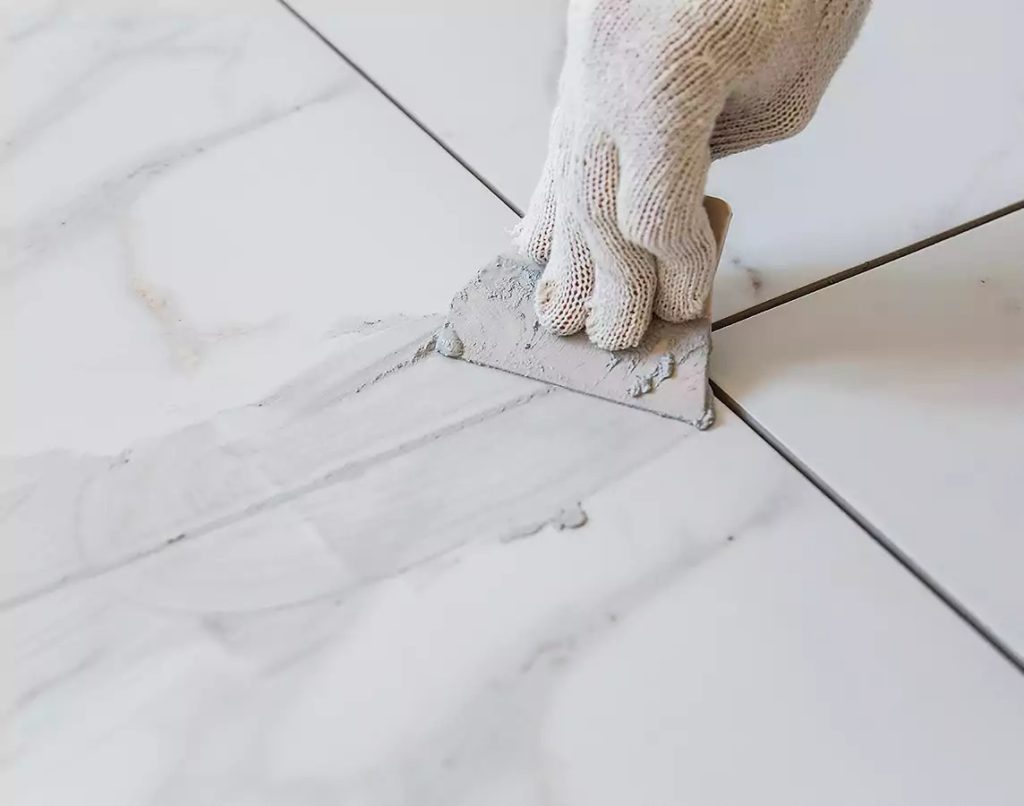
Based on their functions, adhesive-induced stone stains can be categorized into three major camps, each presenting distinct symptoms:
This type of contamination goes “deep into the bone” of the stone. Its main manifestations include:
Mainly used for backing mesh reinforcement or localized stone repairs, its symptoms include:
This is the absolute “disaster zone” for exterior facades and interior joints, exhibiting the most complex symptoms:
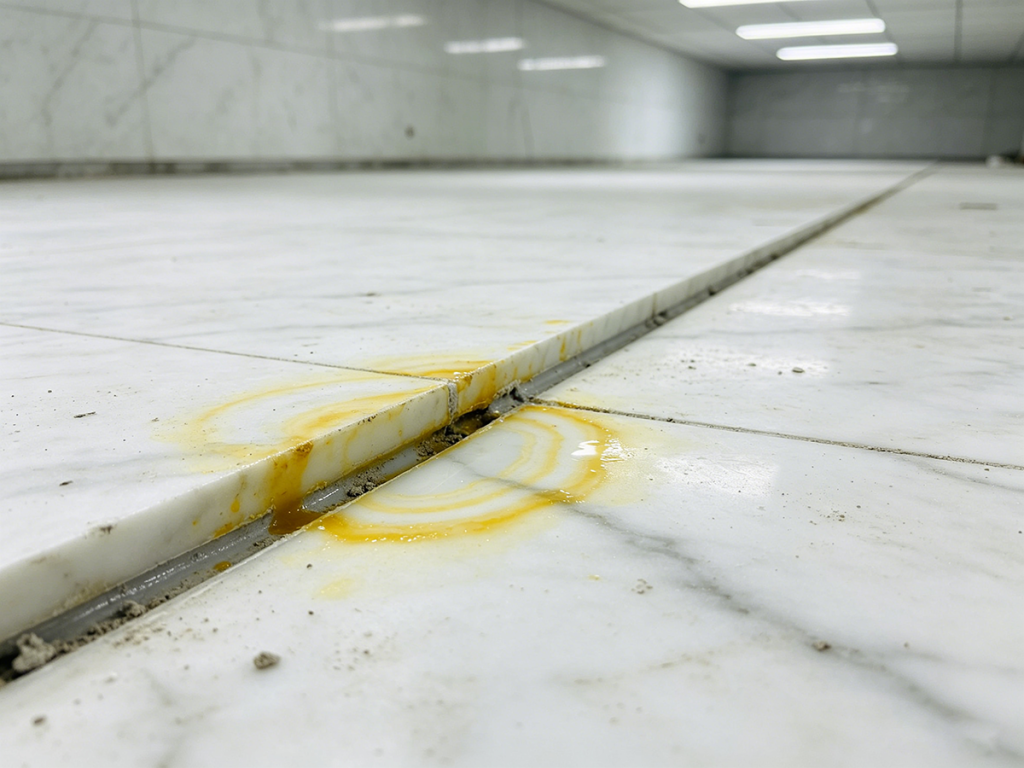
Epoxy adhesives consist of a resin and a curing agent. If the mixing ratio is unbalanced (excess curing agent) or mixing is uneven, unreacted free amines do not simply vanish.
Because stone—especially marble—possesses a breathable, micro-porous structure, these free amines migrate to the surface via capillary action. Under the influence of light and oxygen, these amine compounds oxidize into colored quinone substances. This chemical reaction is the root cause of adhesive yellowing.
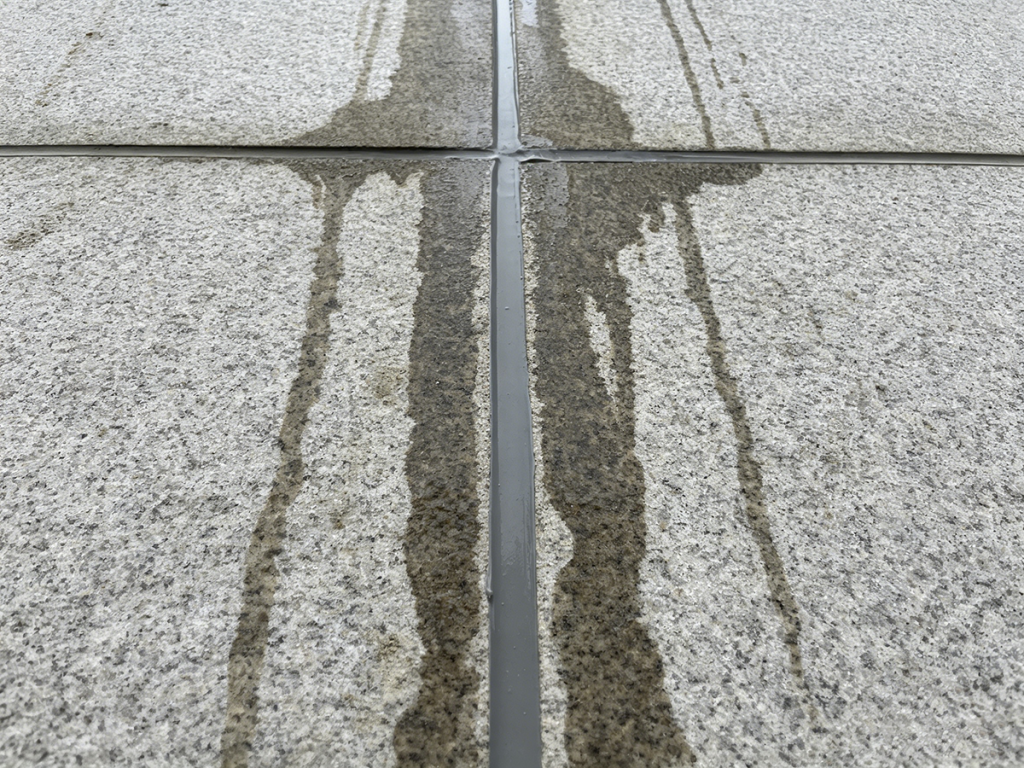
To maintain flexibility, silicone sealants often contain mineral oils or plasticizers. When these low-molecular-weight liquid substances contact the stone, they trigger a capillary siphoning effect. Stones with higher porosity (like sandstone) or lighter colors exhibit this fluid migration much faster and more noticeably.
Key Note: Low-viscosity plasticizers migrate rapidly but volatilize easily. Conversely, high-molecular-weight plasticizers migrate slowly but are nearly impossible to remove once inside, continuously trapping dust to form permanent stains.
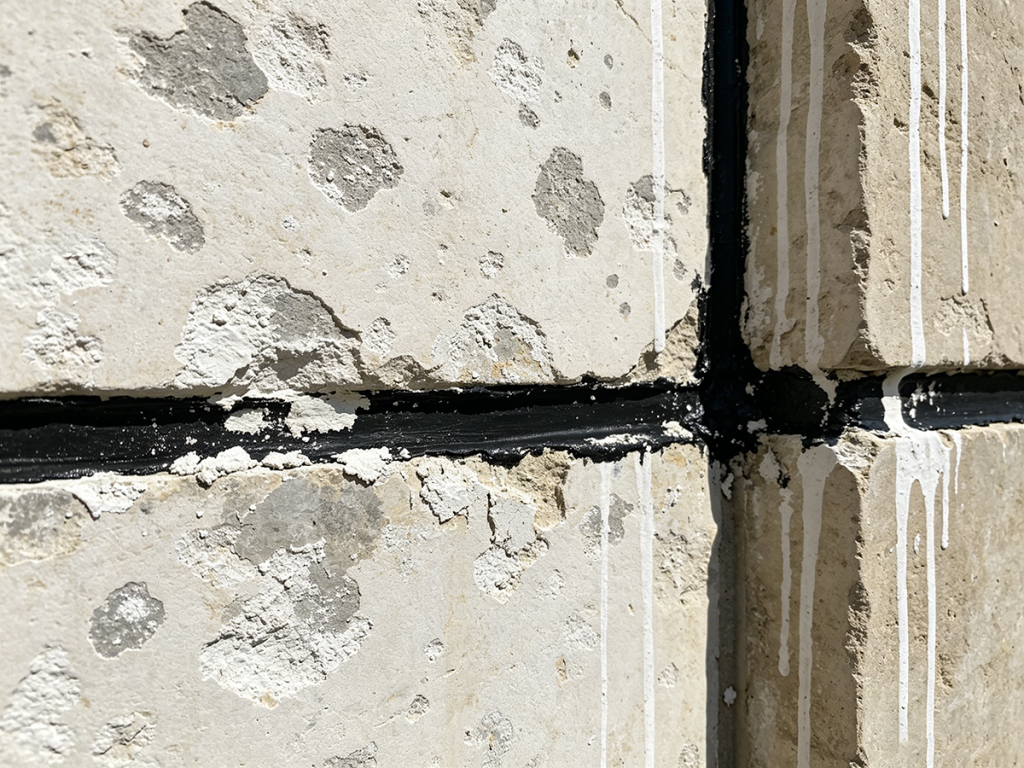
Under UV radiation and moisture, polyurethane or low-grade silicone sealants suffer molecular chain scission. As the surface resin washes away, white inorganic fillers like calcium carbonate (CaCO₃) are left exposed, causing running white stains or a foggy appearance on the stone flanking the joints.
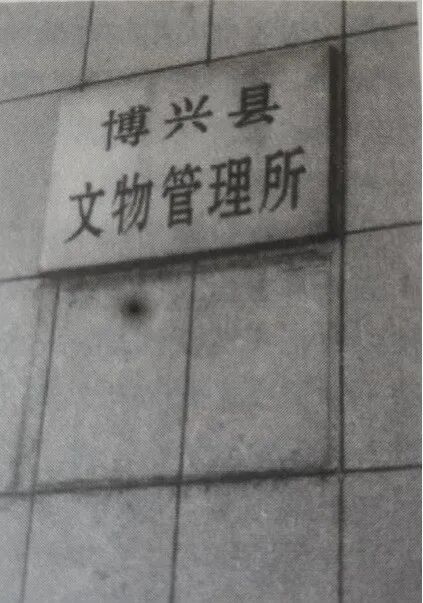
Case Background: A cultural relics management bureau relocated its outdoor stone institution plaque but failed to professionally treat the residual adhesive left behind. Within months, a distinct rectangular glue stain appeared where the plaque used to be. The stone within this boundary turned significantly darker than the surrounding areas, developed an exceptionally rough texture, and aggressively accumulated dust, forming a dark, permanent “scar.”
Root Cause Analysis:
The Takeaway: This case proves that even short-term bonding allows harmful components in adhesives to complete their “infiltration” process rapidly. Post-construction physical scraping alone cannot eradicate the source of contamination.

Revontulet Stone Polishing & Care Series
Spring Epoxy is a refined flexible two-component epoxy resin adhesive that effectively solves problems like adhesive detachment and cracking of rigid joint fillers.
Stone adhesive contamination is easier to prevent before installation than to diagnose after stains migrate into the slab. The safer plan separates material choice, substrate moisture, edge sealing, cleaning discipline, and inspection timing before adhesive or sealant touches the stone.
| Installation stage | Risk signal | Prevention check | Failure to avoid |
|---|---|---|---|
| Material selection | Porous stone, light-colored stone, or resin-sensitive surfaces. | Confirm adhesive type, stone absorption, hidden test area, and manufacturer compatibility notes. | Choosing adhesive strength while ignoring migration or staining risk. |
| Substrate preparation | Moisture, dust, alkaline residue, or uneven backing surface. | Check drying evidence, cleanliness, substrate stability, and whether a barrier or primer is needed. | Bonding over contamination that later moves into the stone. |
| Application and edge control | Squeeze-out, open joints, excessive adhesive, or silicone contact at visible edges. | Control coverage, joint spacing, masking, cleanup timing, and tool cleanliness. | Allowing residues to cure on surfaces where removal will damage the finish. |
| Post-installation inspection | Dark halos, edge shadowing, whitening, or localized smudging. | Record photos, cure timing, moisture conditions, and whether the mark changes as the stone dries. | Applying sealer or polish before the contamination path is understood. |
For a technical review, provide stone type, adhesive or sealant type, substrate condition, installation timeline, moisture exposure, edge details, and photos under consistent lighting. Related resources include stone adhesive products, stone contamination response, and outdoor stone protection.
Choose the Right Adhesive: For white and light-colored stones, always opt for epoxy adhesives formulated with non-amine curing agents, or products explicitly certified as “non-yellowing.”
Apply Protective Barriers: Prior to installation or caulking, apply a premium, penetrating stone water/oil repellent to the stone edges (2–3 cm from the joints) to block fluid migration pathways.
Precision Application: Strictly follow the manufacturer’s ratios for two-component adhesives and use mechanical mixing. Do not overfill sealant joints, and promptly clean off excess sealant during the tooling process.
Avoid the “Low-Price Trap”: Cheap silicone sealants often contain large amounts of inexpensive mineral oils. They are the primary culprit behind severe fluid migration and atmospheric smudging.

Revontulet Stone Polishing & Care Series
TOLEPOXY: high-quality modified marble adhesive. Anti-aging, strong water/moisture resistance, 95% utilization. Easy to use (boosts efficiency), with efficient penetration preventing leakage, shrinkage, yellowing. Durable, pressure/stretch-resistant, tough.
Adhesive contamination on stone is a silent conspiracy between microscopic chemical reactions and macro-physical migration. It does not destroy the stone overnight, but it progressively erodes the aesthetic value of a building over the years. Understanding the science behind these phenomena is the critical first step to making informed decisions across architectural design, construction, and stone maintenance.
Click the link below to explore high-quality adhesives engineered to minimize contamination and protect the lasting beauty of your stone.
https://www.kinghomechemicals.com/attribute/functions/adhesive
 English
  Spanish