WELCOME TO KINGHOME
Get A Free Quote
We will get back to you within 8 hours

WELCOME TO KINGHOME
We will get back to you within 8 hours
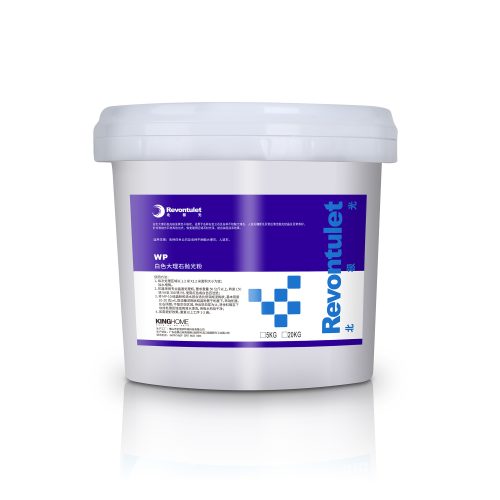

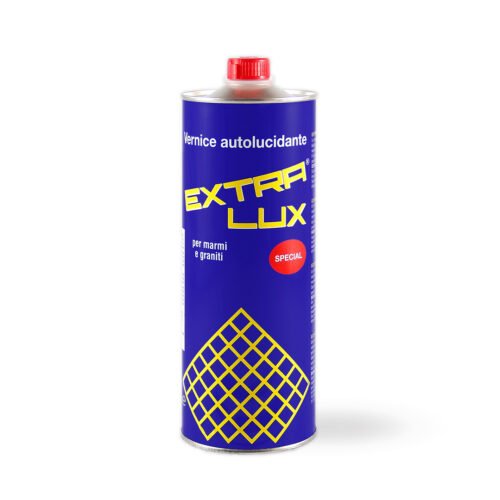


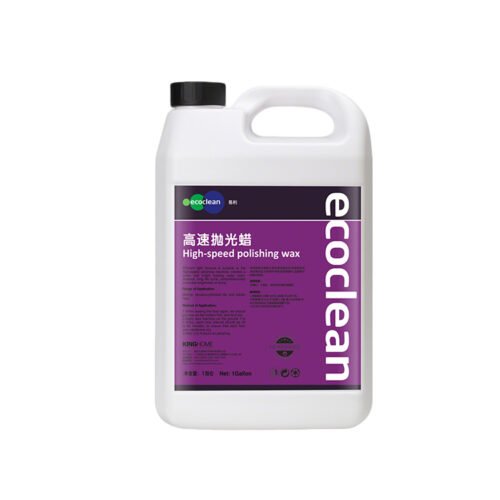
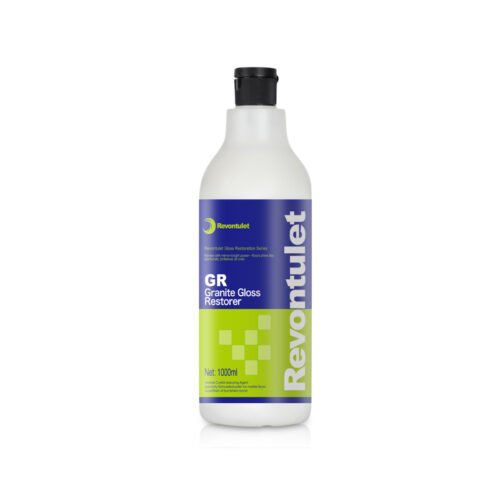


Commercial floor polish products provide essential surface protection and aesthetic enhancement for high-traffic institutional and industrial environments. Unlike traditional floor wax that requires buffing and periodic stripping, modern acrylic-polymer floor polish formulations dry to a hard, transparent coating that delivers immediate gloss while maintaining slip-resistant properties compliant with OSHA guidelines. These polymer-based systems bond directly to vinyl composition tile, concrete, terrazzo, and sealed wood surfaces, creating a protective barrier against abrasion, scuff marks, and chemical exposure in warehouses, healthcare facilities, educational institutions, and retail environments.
Choose floor polish by surface material, gloss target, traffic level, and whether the job needs daily shine, wax protection, crystallization, or corrective gloss restoration. Marble and granite often need stone-specific polish or polishing powder, while VCT, wood, and coated floors usually require wax, finish, or maintenance polish matched to the existing coating.
| Polishing need | Product direction | Best-fit surface |
|---|---|---|
| Restore marble or stone gloss | Stone polish, polishing powder, or gloss restorer | Marble, granite, terrazzo, artificial stone |
| Protect and brighten finished floors | Floor wax or high-speed polishing wax | VCT, PVC, wood, coated commercial floors |
| Maintain walls or vertical stone | Wall wax or wall gloss restorer | Stone walls, counters, decorative surfaces |
| Routine commercial shine | Maintenance polish with compatible cleaner | Hotel, retail, office, and public facility floors |
Compare KingHome polish products by stone type, finish level, machine compatibility, drying or activation method, and whether the goal is protection, gloss recovery, or routine appearance maintenance.
Floor polish applications vary by facility requirements and traffic intensity. Manufacturing facilities and distribution centers benefit from high-solids formulations that withstand forklift traffic and heavy equipment movement while maintaining coefficient of friction values exceeding 0.5 for worker safety. Healthcare and food service operations require non-porous finishes that resist moisture penetration and facilitate sanitation protocols. Retail and office environments typically specify medium-gloss products that balance appearance with maintenance efficiency, reducing labor costs through extended recoat intervals.
Coverage rates for commercial floor polish typically range from 1,000 to 2,000 square feet per gallon depending on substrate porosity, application method, and desired build. Multiple thin coats applied with microfiber applicators or auto-scrubbers deliver superior leveling and adhesion compared to single heavy applications. Proper surface preparation—including cleaning with neutral pH detergents and complete drying—ensures maximum bond strength and finish durability. Professional maintenance programs incorporating daily dust mopping, periodic damp mopping with compatible cleaners, and scheduled spray buffing preserve gloss levels and extend the service life of polish systems between stripping cycles.
Product selection depends on specific operational requirements including traffic volume, substrate type, appearance standards, and maintenance capabilities. Water-based acrylic emulsions offer low VOC content, fast drying, and easy cleanup for routine applications. High-solids urethane-fortified systems provide enhanced chemical resistance and durability in demanding industrial settings. Facilities requiring rapid turnaround benefit from fast-cure formulations that permit foot traffic within one hour of application. Technical specifications should include solids content, slip resistance data, coverage rates, dry time, and recoat intervals to facilitate informed purchasing decisions.
GET IN TOUCH


u003cstrongu003eA:u003c/strongu003e Floor polish contains acrylic polymers or urethane compounds that dry to a hard, transparent coating without buffing, ideal for synthetic flooring in high-traffic commercial environments. Floor wax uses natural or synthetic waxes requiring buffing to achieve gloss, primarily suited for wood floors and lower-traffic areas. Polish provides superior durability and chemical resistance for industrial facilities, while wax offers deeper penetration and traditional aesthetics for natural surfaces.
u003cstrongu003eA:u003c/strongu003e Commercial floor polish typically covers 1,000 to 2,000 square feet per gallon at recommended thickness, depending on substrate porosity and application method. Porous concrete or unsealed surfaces require sealer coats that reduce coverage to 800-1,200 square feet per gallon. Dense vinyl composition tile or previously sealed floors achieve maximum coverage with uniform microfiber application. Multiple thin coats deliver better results than single heavy applications, with 3-4 coats recommended for high-traffic commercial installations.
u003cstrongu003eA:u003c/strongu003e Quality commercial floor polish formulations maintain coefficient of friction (COF) values of 0.5 or higher when properly applied and maintained, meeting OSHA's recommended slip resistance threshold. High-traction products certified by the National Floor Safety Institute exceed ADA standards even under wet conditions. Facilities should verify product specifications include third-party slip resistance testing data, particularly for ramps, entryways, and food service areas where higher COF values may be required.
u003cstrongu003eA:u003c/strongu003e Reapplication frequency depends on traffic volume, maintenance practices, and product type. High-traffic areas in retail, healthcare, or educational facilities typically require 2-3 additional coats every 60-90 days following initial application. Low to medium-traffic office spaces may extend recoat intervals to 4-6 months with proper daily maintenance including dust mopping and periodic spray buffing. Complete stripping and refinishing becomes necessary when polish buildup creates yellowing, reduces gloss response to buffing, or accumulates in corners.
u003cstrongu003eA:u003c/strongu003e Proper surface preparation ensures maximum adhesion and finish quality. Strip existing floor finish completely using appropriate stripping solution and mechanical scrubbing, then neutralize with clean water rinses until pH reaches 7-8. Allow floors to dry completely—typically 4-8 hours depending on ventilation and humidity—before applying new polish. Residual moisture, alkalinity, or cleaning solution contamination causes adhesion failure, hazing, or premature wear. Seal porous substrates with compatible sealer coat before applying finish coats to prevent excessive absorption and ensure uniform appearance.
 English
  Spanish