BIENVENIDO A KINGHOME
Obtenga un presupuesto gratuito
Le responderemos en un plazo de 8 horas

BIENVENIDO A KINGHOME
Le responderemos en un plazo de 8 horas
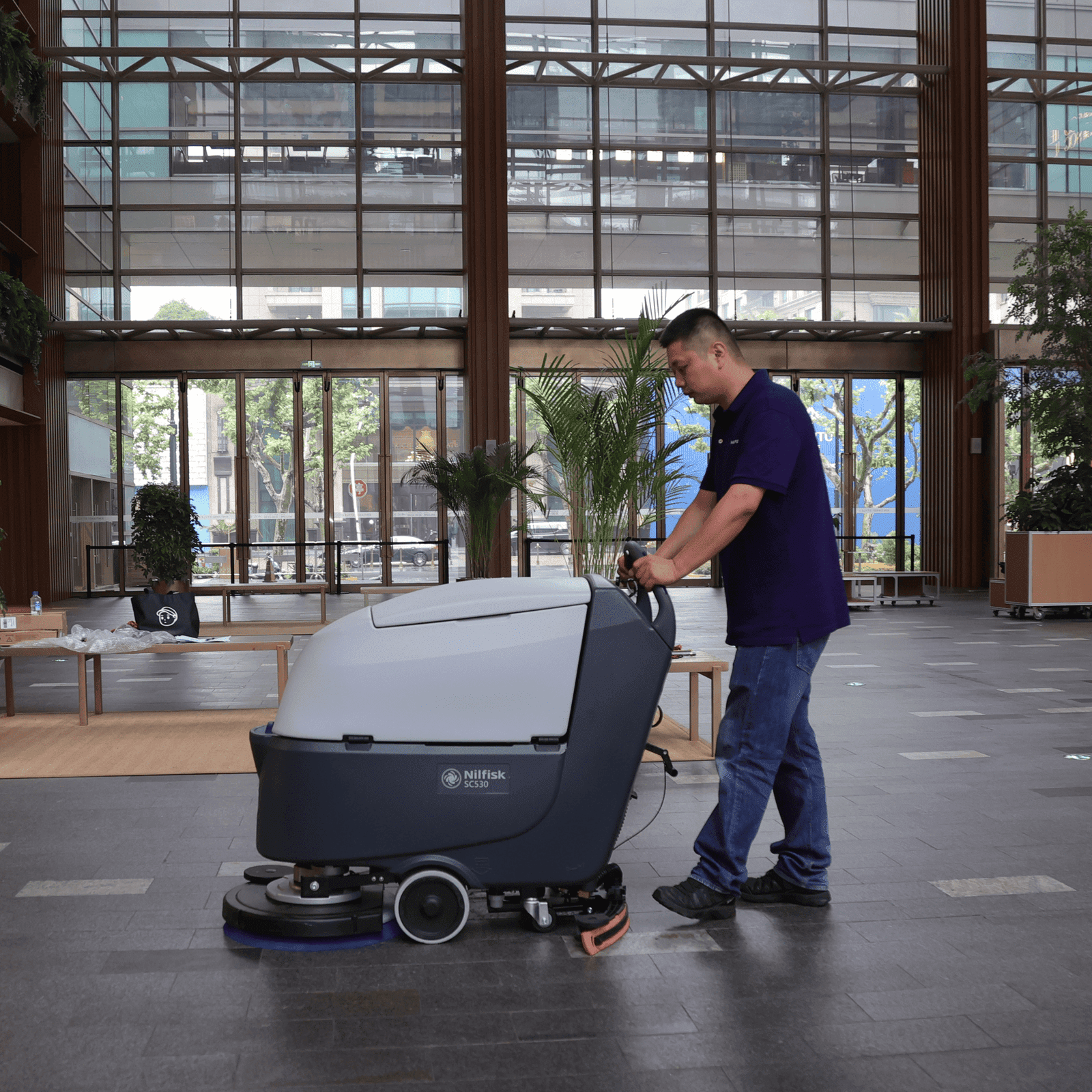
Facility managers and stone care professionals often encounter surfaces that demand more than standard cleaning equipment can deliver. While conventional floor machines handle routine maintenance effectively, specialized industrial cleaning machines address the unique challenges of interlocking pavers, sensitive stone surfaces, concrete preparation, and rapid commercial carpet restoration. These purpose-built machines deliver superior results where general-purpose equipment falls short, protecting valuable surfaces while achieving professional-grade cleanliness and finish quality.
This comprehensive guide examines four critical categories of specialized cleaning equipment: interlock cleaning machines for modular paving systems, alkali-resistant machines that protect acid-sensitive stone, medium roughening machines for surface preparation, and dry foam carpet cleaners that minimize facility downtime. Understanding when and how to deploy these specialized tools separates professional surface care operations from those that risk damage, inefficiency, or substandard results. For contractors, property managers, and facility maintenance teams, selecting the right equipment for each application directly impacts both immediate outcomes and long-term surface integrity.
Specialized industrial cleaning machines differ fundamentally from standard commercial equipment in their design, chemistry compatibility, and performance parameters. While a general-purpose floor scrubber might adequately clean sealed vinyl or ceramic tile, it may damage sensitive marble, fail to restore grimy interlock pavers, or prove inadequate for creating the surface profile required before coating applications.

These machines incorporate specific features that address challenging applications. Interlock cleaning systems combine high-pressure capabilities with chemical delivery designed for outdoor durability. Alkali-resistant machines feature materials and seals that withstand the pH extremes necessary for deep stone cleaning without component degradation. Medium roughening machines deliver controlled mechanical abrasion for surface preparation rather than cleaning alone. Dry foam carpet systems minimize moisture while maintaining cleaning efficacy—critical for facilities operating 24/7.
The investment in specialized equipment becomes justified when surface value, material sensitivity, or operational constraints make general-purpose alternatives inadequate or risky. A hotel replacing damaged marble due to improper cleaning chemistry faces costs exponentially higher than investing in appropriate alkali-resistant equipment. Similarly, property managers maintaining extensive interlock installations find that specialized machines restore surfaces more effectively and economically than repeated replacement cycles.
An interlock cleaning machine represents specialized equipment engineered specifically for interlocking paver systems—those modular surfaces common in driveways, patios, commercial walkways, and pool decks. Unlike standard pressure washers that can dislodge sand joints and destabilize paver systems, true interlock cleaning machines balance sufficient cleaning power with controlled application that preserves joint integrity.
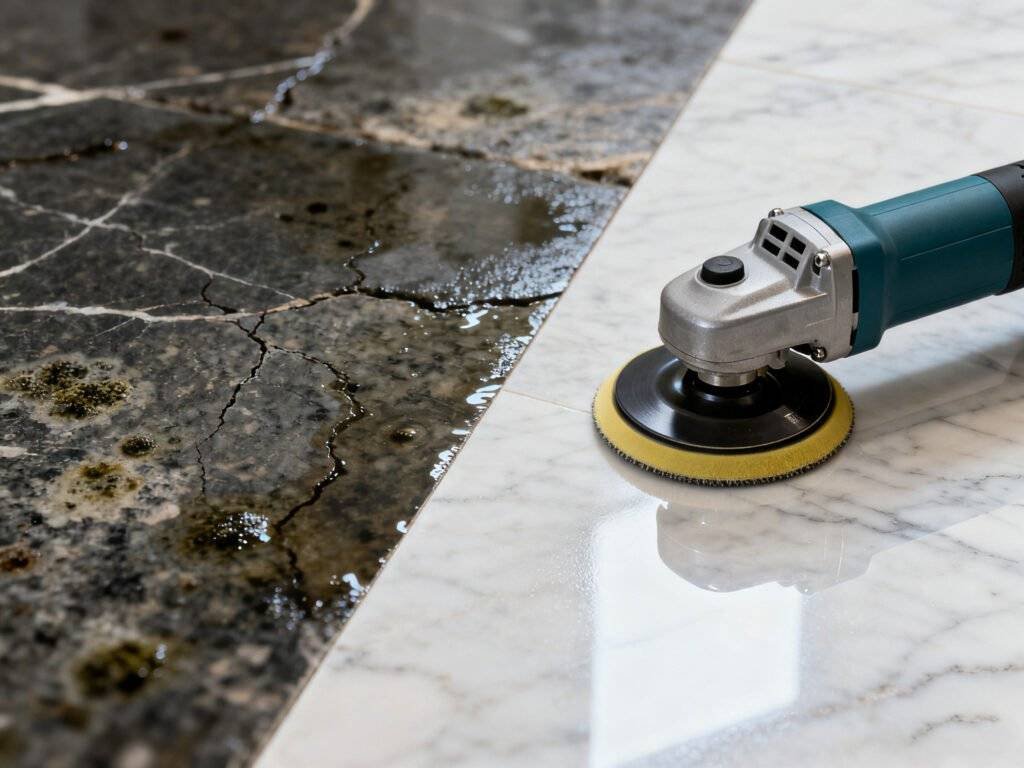
These systems typically integrate high-pressure steam technology with specialized chemical delivery. The combination of heat, pressure, and cleaning chemistry proves particularly effective against the stubborn contaminants that plague outdoor paver installations: oil stains from vehicles, organic growth like moss and algae, embedded dirt, weed infiltration, and the general grime accumulation that degrades appearance over time. Industrial-grade equipment can restore interlocking surfaces to near-original condition, removing years of weathering and use.
The distinction between interlock cleaning machines and consumer-grade pressure washers centers on control and precision. Professional equipment features adjustable pressure settings, controlled water flow rates, and heat management systems that clean effectively without the surface erosion common with overpowered equipment. Many systems incorporate eco-friendly cleaning solutions specifically formulated for outdoor stone and concrete products, addressing environmental concerns while delivering superior cleaning performance.
For commercial property managers maintaining extensive hardscaping, investing in proper interlock cleaning equipment prevents the premature replacement costs associated with neglected or improperly maintained paver systems. The machines efficiently handle both compact urban installations and large-scale commercial properties, with industrial-grade components designed for sustained professional use. When selecting an interlock cleaning machine, key specifications include pressure range (typically 2000-3000 PSI for effective cleaning without damage), heat capacity for enhanced soil removal, and chemical injection capabilities for treating specific stain types.
Alkali-resistant cleaning machines address one of the most critical challenges in professional stone care: deep cleaning sensitive natural stone without chemical damage. Understanding the fundamental distinction between alkaline and acidic cleaning chemistry proves essential. Acidic cleaners effectively remove mineral deposits like limescale and rust but can etch and permanently damage calcium-based stones including marble, limestone, travertine, and certain terrazzo compositions.
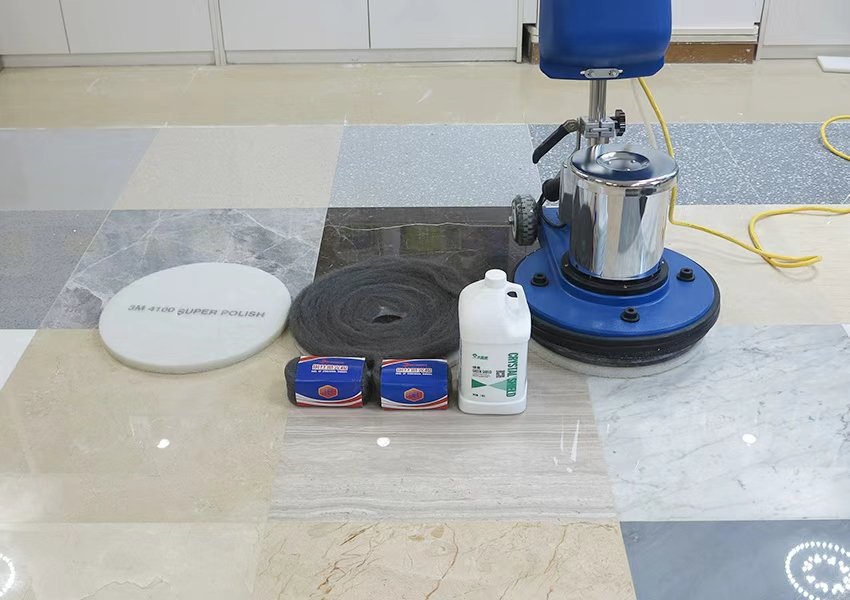
An alkali-resistant cleaning machine enables the use of alkaline detergents—formulated to remove organic contaminants like grease, proteins, oils, and waxes—without risk to the equipment itself. Standard scrubber-dryer components may degrade when exposed to highly alkaline solutions, but specialized machines incorporate seals, gaskets, and material specifications that withstand these pH extremes. This chemical compatibility proves particularly important during restoration projects requiring aggressive wax stripping or deep degreasing operations.
Modern alkali-resistant machines often feature scrubber-dryer technology with roller brush systems specifically engineered for textured natural stone surfaces. Roller brushes deliver significantly higher contact pressure per square centimeter compared to disc brushes—up to 7 times greater in professional systems. This enhanced pressure proves critical when cleaning hewn, flamed, or textured stone where dirt becomes embedded in surface irregularities. The contra-rotating roller design also captures coarse particles and debris, feeding them to dedicated collection containers and eliminating the need for pre-sweeping.
For acid-sensitive floors like marble and limestone, the one-step cleaning method proves ideal: the machine simultaneously applies alkaline cleaning solution, scrubs the surface, and immediately extracts dirty water. This approach prevents prolonged chemical contact while ensuring thorough soil removal. Conversely, acid-resistant stones like granite can accommodate a two-step method where alkaline solution dwells on the surface for several minutes before extraction, allowing for deeper penetration and more effective removal of embedded contamination.
Chemical selection remains equally critical as equipment choice. Professional-grade alkaline cleaners designed for stone care typically specify application concentration ranges—dilution ratios of 1:10 for heavy-duty restoration work versus 1:80 for routine maintenance cleaning. The machines must deliver consistent chemical metering to prevent under-cleaning (ineffective) or over-concentration (potential surface dulling or residue issues).
Alkaline cleaners excel at removing organic soils—the greases, oils, proteins, and similar contaminants common in commercial environments. When facility managers select cleaning chemistry, matching pH profile to stone composition prevents damage while maximizing cleaning effectiveness. Calcium-based materials including marble, limestone, cast stone, and travertine absolutely require alkaline or pH-neutral cleaning approaches, as acidic products will etch these surfaces through chemical dissolution of the calcium compounds.
Professional alkaline wax strippers represent specialized formulations for restoration applications. These high-power, water-based products remove old wax coatings, oxidation layers, production residues, and deep-set contamination. Many systems combine alkaline strippers with complementary solvent strippers for “double wax stripping” protocols that achieve maximum coating removal before refinishing operations. After treatment, surfaces require thorough neutralization and rinsing before applying new protective treatments.
Proper dilution ratios distinguish maintenance from restoration applications. Heavy-duty scrubbing for deeply soiled or wax-laden floors typically requires dilution ratios of 1:10 with hot water to maximize soil suspension and removal. Routine maintenance cleaning uses significantly weaker solutions—1:80 dilution with either hot or cold water—sufficient for regular soil prevention without chemical waste or residue buildup. Professional stone floor cleaning machines should incorporate chemical metering systems that deliver consistent dilution regardless of operator experience.
Low-foaming formulations prove essential for equipment with suction driers. Excessive foam interferes with vacuum recovery systems, reducing soil extraction effectiveness and potentially damaging vacuum motors. Professional scrubber-dryer detergents specifically designed for machine application ensure single-pass cleaning efficiency without foam-related complications.
A medium roughening machine creates controlled surface texture and profile on concrete, stone, screed, and similar materials—essential preparation before applying coatings, sealers, adhesives, or decorative finishes. Unlike cleaning equipment that removes contaminants while preserving the existing surface, roughening machines intentionally modify surface topography to enhance mechanical bonding of subsequent treatments.
These specialized machines employ two primary technologies: shot blasting and mechanical grinding. Shot blasting systems propel steel shot or grit against surfaces at high velocity through rotating impellers, creating uniform texture patterns. This approach proves particularly effective for large-scale surface preparation, removing surface laitance, existing coatings, and contaminants while simultaneously generating the anchor profile required for optimal coating adhesion.
For stone applications, medium roughening machines create decorative “litchi surface” or “bush-hammered” finishes on granite, marble, and other natural stone products. The high-speed impact treatment produces small, uniform protrusions resembling litchi fruit texture—highly valued for its visual appeal, slip resistance, and three-dimensional character. This finish appears commonly on outdoor flooring, building facades, curbing, and other architectural stone elements.
Mechanical grinding systems utilize abrasive discs or belts rotating at controlled speeds to remove material and create surface profile. For medium roughening applications on concrete and screed, professional equipment typically operates with 40-60 grit abrasives for initial surface preparation, creating adequate tooth for coating systems without over-aggressive removal. Surface preparation specifications often reference standards like ISO 8503-2 for roughness grades, ensuring coating manufacturers’ requirements are met.
Belt and disc grinders used for medium roughening feature adjustable speed controls, typically ranging from 1,500 to 3,000 RPM for disc systems and variable speeds for belt sanders. Grit selection follows application requirements: 120-400 grit for creating medium profiles suitable for most coating and sealing applications. Coarser 16-30 grit abrasives handle heavy material removal and initial leveling, while finer 80-120 grit transitions surfaces toward polishing operations.
Proper surface preparation directly impacts coating performance, adhesion longevity, and overall system success. Medium roughening machines enable contractors to methodically create the specified surface profile, remove weak surface layers, and expose sound substrate for optimal bonding. Applications span from warehouse floor coating preparation to creating slip-resistant finishes on commercial stone installations.
Dry foam carpet cleaners represent specialized technology designed for commercial facilities where minimal downtime and rapid area turnover prove critical. Unlike traditional hot water extraction methods requiring 4-5 hours for complete drying, dry foam systems achieve interim cleaning with carpets dry and traffic-ready in under 25 minutes, or near-extraction quality cleaning with 35-minute dry times—a 90% reduction in facility downtime.
The dry foam cleaning process differs fundamentally from wet extraction. Specialized cleaning foam formulated with minimal moisture content gets mechanically agitated into carpet fibers using rotating brushes. The foam binds to dirt particles, suspending them for immediate vacuum extraction. This low-moisture approach delivers thorough cleaning without saturating carpet backing or padding—the primary cause of extended drying times in conventional methods.
For high-traffic commercial applications including hotels, office buildings, retail environments, and hospitality venues, rapid drying eliminates the operational disruptions associated with traditional cleaning. Carpets can be cleaned during business hours with minimal signage requirements, avoiding after-hours premium labor costs or weekend scheduling constraints. This flexibility proves particularly valuable for 24-hour operations like hotels, casinos, and healthcare facilities where taking areas completely offline creates significant operational challenges.
Professional dry foam carpet cleaner systems typically feature 8-gallon (30-liter) solution tanks with 15-inch (38-centimeter) working widths, balancing productivity with maneuverability in furnished commercial spaces. Quality systems incorporate perfect balance points enabling fatigue-free operation during extended cleaning sessions—critical for large-area applications. Many professional units convert readily to hard floor machines through simple attachment changes, increasing equipment versatility and return on investment.
The foam cleaning methodology suits both interim maintenance cleaning (between scheduled extraction cleanings) and more aggressive near-extraction quality applications. Interim cleaning maintains appearance and extends time between deep cleaning cycles, particularly valuable in high-traffic corridors, lobbies, and transition areas. Near-extraction quality cleaning addresses more aggressive soiling while maintaining the rapid dry-time advantage over traditional methods.
Comparing dry foam cleaning to alternative commercial methods reveals distinct advantages and applications. Bonnet cleaning employs rotating pads that absorb surface soil—effective for light maintenance with 30-minute dry times but limited to surface contamination. Encapsulation cleaning uses crystallizing polymers that dry in approximately 60 minutes—excellent for routine maintenance but less effective for heavy soiling. Hot water extraction remains the gold standard for deep restorative cleaning but requires extensive drying time. Dry foam technology bridges the gap between surface maintenance and deep cleaning while maintaining minimal operational disruption.
Selecting appropriate specialized cleaning equipment requires matching machine capabilities to specific surface types, facility scale, and operational requirements. Incorrect equipment choices result in inadequate cleaning, potential surface damage, or inefficient operations that fail to justify equipment investment.
Surface type fundamentally determines equipment selection. Interlocking paver systems demand equipment that balances cleaning power with joint preservation—specialized interlock cleaning machines rather than uncontrolled pressure washers. Sensitive stone floors including marble, limestone, and travertine require alkali-resistant machines compatible with safe cleaning chemistry. Concrete surfaces requiring texture before coating application need medium roughening capability. Commercial carpets in high-turnover facilities benefit from dry foam technology. Attempting to substitute general-purpose equipment for these specialized applications typically produces inferior results or surface damage.
Facility scale influences equipment size and capacity requirements. Professional cleaning equipment manufacturers specify coverage capabilities ranging from compact units suitable for 50-square-meter areas to industrial machines handling 50,000-square-meter facilities. Undersized equipment extends cleaning time exponentially, while oversized machines prove difficult to maneuver in furnished or confined spaces. For multi-site facility management operations, equipment standardization simplifies training, maintenance, and supply chain management.
Understanding the difference between scrubber and buffer machines prevents common selection errors in stone care applications. Scrubbers employ rotating brushes with water and detergent, simultaneously cleaning and extracting dirty solution—ideal for deep cleaning and maintenance of stone, tile, and resilient floors. Buffers (also called burnishers) use pads for polishing and light maintenance without solution application or recovery—appropriate for maintaining finished surfaces but inadequate for soil removal or restoration work.
Key evaluation criteria when specifying specialized cleaning equipment include:
Budget considerations must balance acquisition cost against performance, operating efficiency, and surface protection. While specialized equipment commands premium pricing compared to general-purpose alternatives, the cost of surface damage, premature replacement, or ineffective cleaning typically dwarfs the initial equipment investment. Facility managers maintaining high-value stone installations, extensive interlock hardscaping, or time-sensitive commercial carpeting find that specialized equipment delivers superior return on investment through enhanced results and asset protection.
Specialized cleaning equipment delivers optimal performance and longevity only when properly maintained and operated with compatible chemistry. Equipment neglect or improper chemical selection undermines the investment in specialized machines and may damage the surfaces they were purchased to protect.
Chemical dilution accuracy directly impacts cleaning effectiveness and surface safety. Professional cleaning operations should establish and enforce dilution protocols based on manufacturer specifications. For scrubber-dryer applications, heavy-duty cleaning typically requires concentrated solutions (1:10 dilution ratios), while maintenance cleaning uses significantly weaker solutions (1:40 to 1:80). Automated chemical metering systems eliminate operator error and ensure consistent results across shifts and facility locations.
Scrubber-dryer detergent selection must account for equipment vacuum recovery systems. Low-foaming formulations specifically designed for machine application prevent foam interference with suction performance. High-foam products developed for manual mopping prove entirely unsuitable for mechanical equipment, reducing soil extraction and potentially damaging vacuum components. Professional-grade machine detergents often specify “low-foam” or “no-foam” formulations with rapid grease-cutting performance enabling single-pass cleaning.
Brush and pad maintenance significantly influences cleaning effectiveness and surface safety. Worn brushes reduce contact pressure and soil removal capability, while damaged brushes may scratch sensitive surfaces. Establishing replacement schedules based on cleaning hours or area coverage ensures consistent performance. Different brush materials suit different applications: softer brushes for sensitive stone, aggressive brushes for heavily soiled concrete.
Safety protocols for alkaline and acidic cleaning solutions protect operators and surfaces. Personal protective equipment including gloves and eye protection proves mandatory when handling concentrated cleaning chemicals. Adequate ventilation prevents vapor accumulation in enclosed spaces. Most critically, never mixing alkaline and acidic products—the resulting reactions may generate heat, hazardous fumes, or neutralize cleaning effectiveness.
Equipment lifespan optimization through preventive maintenance includes regular inspection of seals and gaskets (particularly in alkali-resistant machines), vacuum system cleaning to prevent clogs, tank rinsing after each use to prevent chemical buildup, and battery maintenance for cordless equipment. Establishing maintenance schedules and documentation systems ensures long-term equipment reliability and maximum return on investment.
Proper chemical storage prevents degradation and safety hazards. Cleaning chemistry should remain in original containers with intact labeling, stored in temperature-controlled environments away from extreme heat or freezing conditions. Material Safety Data Sheets (MSDS) should be readily accessible to all operators, with emergency response procedures clearly established.
Specialized industrial cleaning machines—including interlock cleaning equipment, alkali-resistant floor machines, medium roughening machines, and dry foam carpet cleaners—deliver capabilities that general-purpose equipment cannot match. For facility managers, stone care contractors, and cleaning service companies maintaining high-value surfaces or operating under demanding time constraints, these specialized tools prevent damage, enhance results, and improve operational efficiency.
Selecting appropriate equipment requires understanding surface-specific requirements, chemical compatibility, and application demands. Interlock cleaning machines restore modular paving without joint disruption. Alkali-resistant machines enable safe deep cleaning of sensitive stone surfaces. Medium roughening machines prepare substrates for optimal coating performance. Dry foam carpet cleaners minimize facility downtime while delivering near-extraction cleaning quality.
Investment in specialized cleaning equipment proves justified when surface value, material sensitivity, or operational requirements make general-purpose alternatives inadequate. Combined with proper chemical selection, operator training, and preventive maintenance, these machines protect surface investments while delivering professional-grade results. Explore King Home Chemicals’ complete range of specialized cleaning equipment and compatible chemistry to enhance your facility maintenance capabilities.
An interlock cleaning machine is specialized equipment designed for cleaning interlocking paver systems on driveways, patios, pool decks, and commercial walkways. These machines use controlled high-pressure steam combined with specialized detergents to remove oil stains, organic growth, weeds, and embedded grime while preserving the joint sand and structural integrity of the paver installation—something standard pressure washers often damage through excessive force or improper application.
Alkali-resistant cleaning machines protect sensitive, calcium-based stones like marble, limestone, and travertine from chemical damage while enabling effective cleaning. These stones cannot tolerate acidic cleaners, which cause permanent etching and dulling. Alkali-resistant equipment features seals, gaskets, and materials that withstand the highly alkaline detergents required to remove organic soils (grease, oils, proteins) from these surfaces without equipment degradation or surface damage.
A medium roughening machine creates controlled surface texture and profile on concrete, stone, and screed surfaces to prepare them for subsequent coating, sealing, or decorative finish applications. Using shot blasting or mechanical grinding with 40-60 grit abrasives, these machines remove weak surface layers, eliminate contaminants, and create the anchor profile necessary for optimal bonding of applied treatments. They also produce decorative finishes like litchi surface textures on architectural stone.
Dry foam carpet cleaning systems achieve drying times of 25 minutes for interim cleaning and 35 minutes for near-extraction quality deep cleaning—a 90% reduction in downtime compared to traditional hot water extraction methods that require 4-5 hours for complete drying. This rapid turnaround enables cleaning during business hours in high-traffic commercial facilities like hotels, offices, and retail environments without extended area closures or operational disruption.
Scrubbers use rotating brushes with water and cleaning detergent to deep clean floors, simultaneously extracting the dirty solution through vacuum recovery systems—ideal for maintenance cleaning and restoration of stone, tile, and other hard surfaces. Buffers (burnishers) use pads primarily for polishing and maintaining already-finished surfaces through dry friction, operating without water application or recovery capability. For actual soil removal and deep cleaning of stone floors, scrubbers prove necessary; buffers serve only for maintaining pre-finished surfaces.

