BIENVENIDO A KINGHOME
Obtenga un presupuesto gratuito
Le responderemos en un plazo de 8 horas

BIENVENIDO A KINGHOME
Le responderemos en un plazo de 8 horas
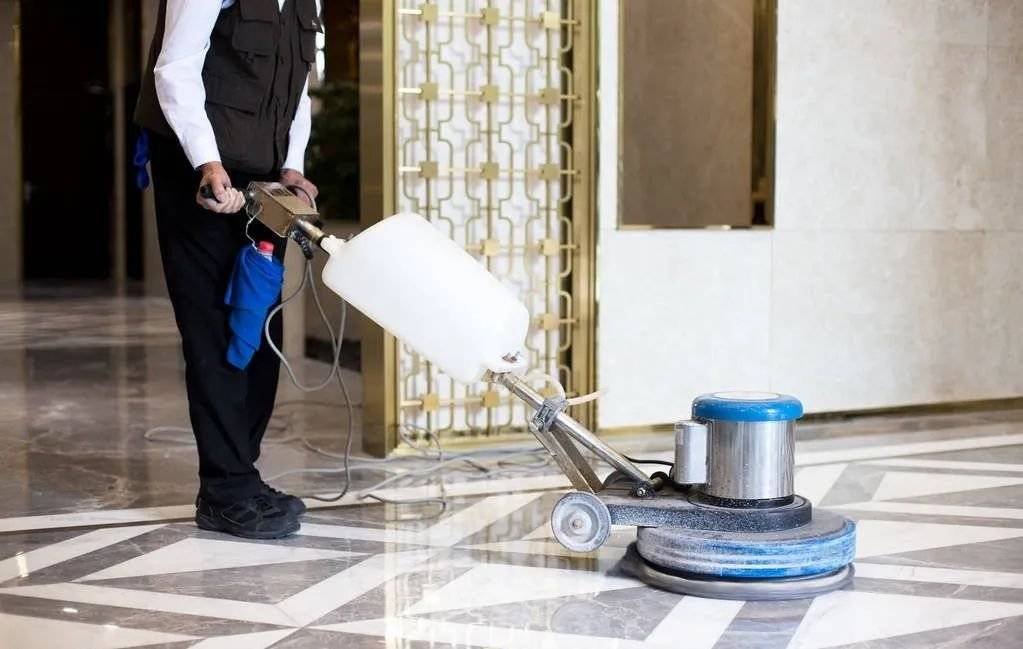
Selecting the right tile cleaning equipment can transform floor maintenance from a labor-intensive chore into an efficient, cost-effective operation. Whether you’re a facility manager overseeing thousands of square feet in commercial properties or a homeowner seeking professional-grade results, understanding the capabilities and limitations of different tile cleaning machines is essential for achieving optimal surface care. Modern tile cleaner machines for home and commercial applications have evolved far beyond simple mops and buckets, incorporating advanced features like dual vacuum systems, chemical injection capabilities, and specialized brush configurations designed for everything from delicate marble to industrial-grade ceramic tiles.
The gap between residential and commercial tile cleaning machines extends well beyond size and price. Professional-grade equipment integrates with comprehensive floor care programs, offering compatibility with specialized cleaning compounds, adjustable pressure systems for various surface types, and productivity specifications that directly impact your bottom line. This guide examines the technical specifications, application considerations, and maintenance requirements that separate adequate cleaning from exceptional surface restoration, helping you make informed decisions that protect your flooring investment while optimizing operational efficiency.
The tile cleaning equipment market offers three primary machine categories, each engineered for specific applications and surface conditions. Rotary scrubbers utilize spinning disc brushes or pads to agitate cleaning solutions across tile surfaces, making them versatile for both routine maintenance and periodic deep cleaning. These machines excel at removing surface-level dirt and maintaining previously cleaned floors, with brush speeds typically ranging from 150 to 300 RPM depending on the model and intended application.
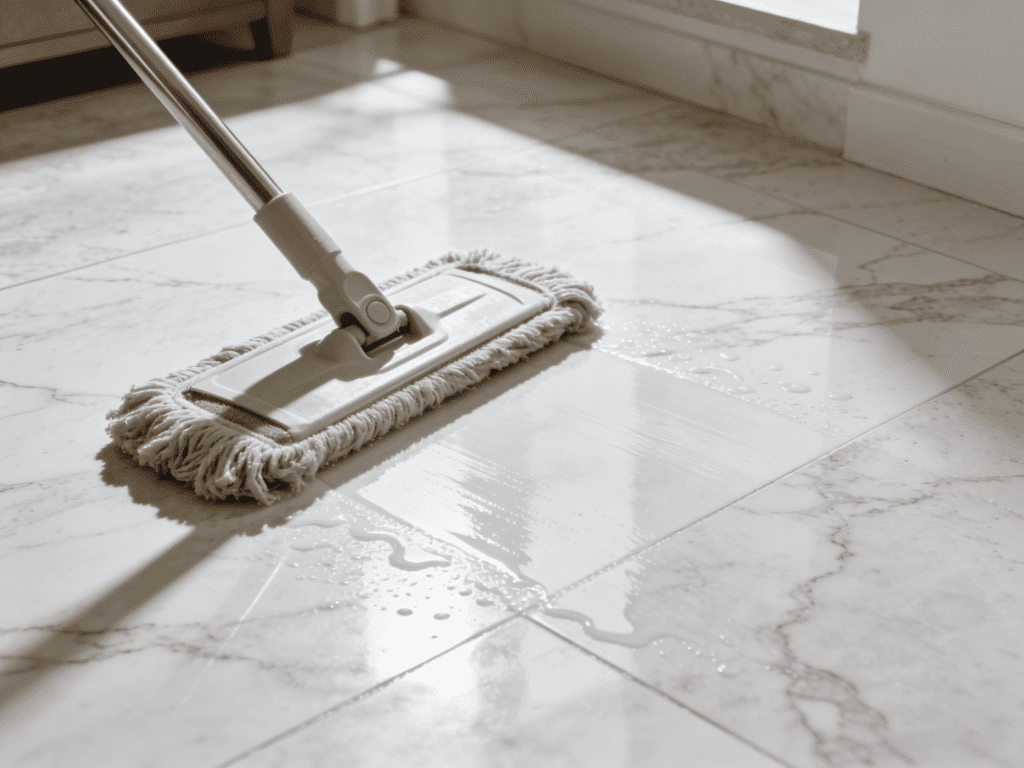
Steam cleaners represent an eco-friendly alternative that uses high-temperature vapor (typically 200-320°F) to sanitize and dissolve grime without harsh chemicals. These units work particularly well for residential applications and light commercial environments where chemical-free cleaning is prioritized. However, steam cleaners require longer dwell times and multiple passes for heavily soiled areas, making them less efficient for large commercial spaces with high traffic volumes.
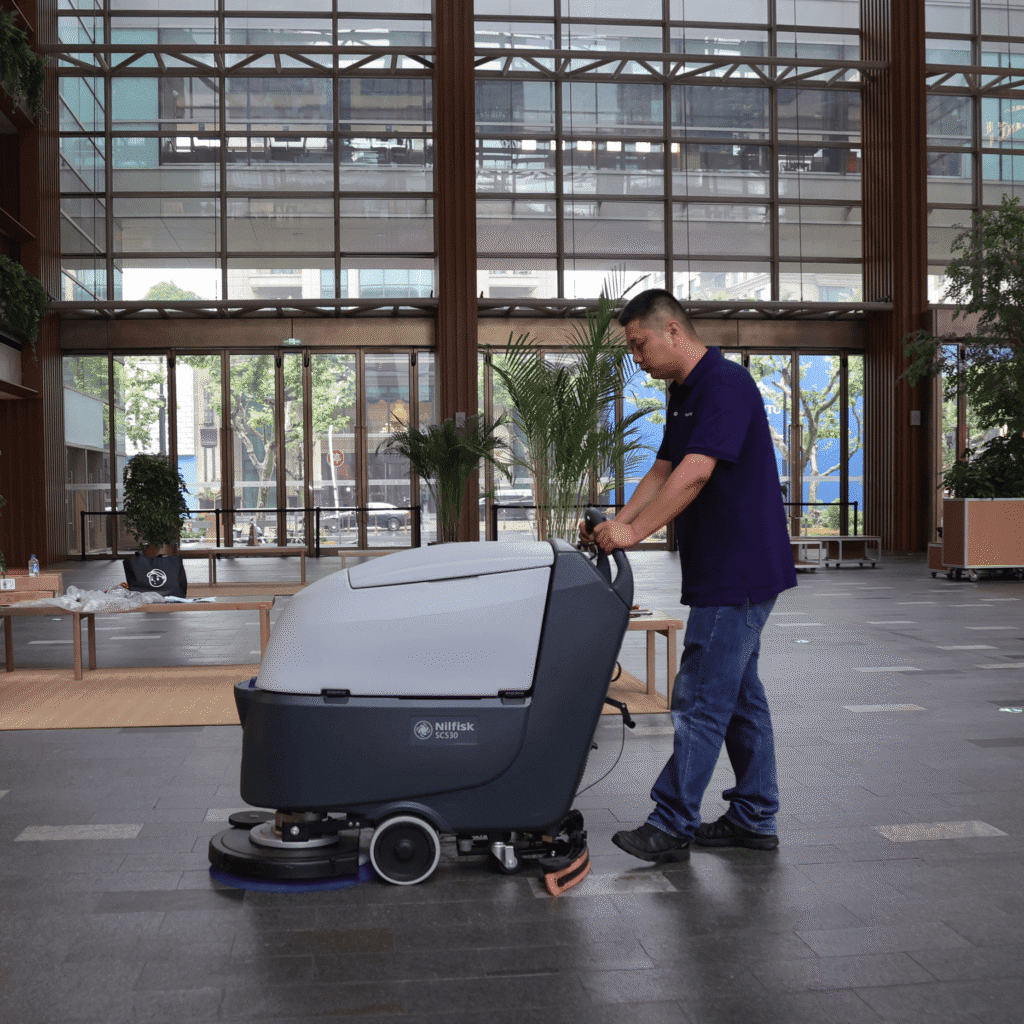
Automatic floor scrubbers combine washing, scrubbing, and water recovery in a single pass, dramatically reducing cleaning time while eliminating slip hazards from standing water. These machines feature integrated solution tanks, rotating brush or pad systems, and vacuum squeegees that leave floors immediately ready for foot traffic. Walk-behind and ride-on configurations provide scalability from small retail spaces to expansive warehouse facilities.
Machine selection depends heavily on tile composition and surface characteristics. Ceramic and porcelain tiles withstand aggressive scrubbing and higher pressure settings, while natural stone surfaces like marble and limestone require gentler oscillating pads and pH-neutral cleaning solutions. Terrazzo floors benefit from cylindrical brush systems that reach into grout lines without damaging the embedded stone chips. Understanding these material-specific requirements prevents costly surface damage and ensures appropriate chemical compatibility throughout the cleaning process.
Industrial-grade tile cleaning machines deliver performance specifications unattainable in residential equipment. High-pressure pump systems generate 1000-1600 PSI, providing sufficient force to dislodge embedded soil, remove cured residues, and restore grout lines that manual scrubbing cannot reach. Dual vacuum motors create powerful suction that recovers dirty solution efficiently, reducing floor drying times from hours to minutes and preventing moisture infiltration into substrate materials.
Adjustable pressure settings allow operators to customize cleaning intensity based on soil levels and surface sensitivity. Facilities can use maximum pressure for ceramic tile in industrial settings while dialing down to gentle settings for delicate natural stone installations. This versatility eliminates the need for multiple specialized machines, reducing equipment inventory and training requirements.
Counter-rotating brush systems represent a significant advancement in grout line cleaning effectiveness. Unlike single-direction brushes that can skip over uneven surfaces, counter-rotating cylindrical brushes maintain consistent contact pressure regardless of floor undulations. These systems feed debris into collection hoppers rather than spreading it across adjacent areas, resulting in genuinely clean surfaces rather than simply redistributed dirt. Professional models achieve brush speeds exceeding 500 RPM while maintaining precise pressure control across the entire cleaning path.
Tank capacity directly impacts productivity in commercial applications. Professional tile cleaning machines feature solution tanks from 15 to 60 gallons, with recovery tank capacities proportionally sized to eliminate frequent dumping interruptions. Extended battery systems provide 3-6 hours of continuous operation, enabling crews to clean 20,000-50,000 square feet per charge depending on soil conditions and machine configuration.
Chemical injection systems integrate directly with professional-grade cleaning compounds, automatically diluting concentrated solutions to manufacturer-specified ratios. This eliminates guesswork, prevents product waste, and ensures consistent cleaning performance across shifts and operators. Advanced models feature programmable chemical delivery rates adjusted in real-time based on soil sensor feedback, optimizing both cleaning effectiveness and chemical costs.
Homeowners seeking professional results face a decision between steam cleaners and compact hard floor cleaners, each offering distinct advantages. Steam cleaners provide chemical-free sanitization ideal for households with children, pets, or chemical sensitivities. Models like the Bissell PowerFresh and Dupray Neat generate sustained steam temperatures that kill 99.9% of bacteria while loosening grease and soap residue. These units work exceptionally well for regular maintenance of moderately soiled ceramic and porcelain tiles, though they require multiple passes and extended cleaning sessions for heavily neglected floors.

Hard floor cleaners combine the scrubbing action of rotary machines with vacuum recovery systems in compact, user-friendly packages. These machines apply cleaning solution, agitate with rotating brushes or rollers, and extract dirty water in a single pass—similar to commercial scrubbers but sized appropriately for residential spaces under 200 square meters. The Hoover FloorMate and Bissell CrossWave represent popular options in this category, offering versatility across tile, vinyl, and sealed hardwood surfaces.
Rental programs provide access to commercial-grade equipment without purchase commitments. Hardware retailers and specialized cleaning equipment suppliers offer 24-48 hour rental periods on professional tile scrubbers, allowing homeowners to tackle periodic deep cleaning or preparation for flooring restoration projects. Rental costs typically range from $40-80 per day, making this economical for annual or semi-annual intensive cleaning sessions. However, frequent renters should calculate the breakeven point where purchasing entry-level equipment becomes more cost-effective than ongoing rental fees.
Machine compatibility with tile finishes requires careful consideration. High-gloss porcelain tiles may show swirl marks from overly aggressive brushes, while textured ceramic surfaces need stiffer bristles to reach into surface patterns. Grout types also influence equipment selection—epoxy grout withstands vigorous scrubbing, whereas traditional cement-based grout may require gentler cleaning approaches to prevent premature degradation. Testing equipment on inconspicuous areas before full-scale cleaning protects against unexpected surface damage.
Natural stone flooring demands equipment specifically designed to prevent etching, scratching, and surface degradation. Marble, granite, limestone, and travertine tiles exhibit varying hardness levels and chemical sensitivities that standard tile cleaning machines may damage through excessive pressure or incompatible brush materials. Understanding these requirements separates routine maintenance from costly restoration projects.
Oscillating pad machines deliver cleaning power through rapid, small-amplitude vibrations rather than rotational scrubbing. This technology prevents swirl marks on polished marble while providing sufficient agitation to lift dirt from honed or tumbled finishes. Machines like the Cleanfix FloorMac operate at low speeds (under 200 oscillations per minute) with soft microfiber or melamine pads that clean effectively without abrading sensitive surfaces. These units integrate seamlessly with pH-balanced stone cleaners that maintain the natural beauty of calcium-based stones.
Rotary scrubbers remain viable for harder natural stones like granite when properly configured. Soft nylon brush heads (typically white or tan colored) provide adequate cleaning while minimizing surface contact pressure. Operators should maintain pressure settings below 50 PSI and verify that cleaning solutions maintain pH ranges between 7-10 to prevent chemical etching. Granite’s exceptional hardness tolerates slightly more aggressive cleaning than marble, though sealed surfaces still require gentle approaches that preserve protective treatments.
Pressure selection protocols prevent permanent damage to natural stone installations. Limestone and travertine should never exceed 500 PSI, while marble tolerates up to 800 PSI depending on finish type. Granite can handle commercial-grade pressure up to 1200 PSI, though sealed or polished surfaces benefit from reduced settings. Testing on sample tiles or hidden areas provides verification before full-floor cleaning operations.
Integration with stone-specific cleaning compounds maximizes results while protecting surfaces. Alkaline cleaners (pH 10-13) effectively remove organic soils and oils but can dull acid-sensitive stones like marble and limestone. Neutral cleaners (pH 6-8) provide safe daily maintenance for all natural stone types, while acidic products should never contact calcium-based materials. Professional stone care chemicals formulated for machine application ensure proper dilution ratios and compatibility with equipment components.
Coverage area requirements drive the fundamental decision between walk-behind and ride-on tile cleaning equipment. Walk-behind automatic scrubbers effectively service spaces from 2,000 to 15,000 square feet, including retail stores, restaurant dining areas, medical offices, and small warehouse sections. These machines provide maneuverability in congested environments, navigate through doorways and around fixtures easily, and cost 40-60% less than comparable ride-on models. Cleaning productivity typically ranges from 10,000 to 15,000 square feet per hour depending on operator experience and floor condition.
Ride-on scrubbers become economically justified in facilities exceeding 20,000 square feet where operator fatigue and time efficiency impact labor costs significantly. Warehouses, manufacturing plants, airport terminals, shopping malls, and convention centers benefit from ride-on machines that clean 30,000-60,000 square feet per hour while reducing physical strain on cleaning staff. These units feature larger solution tanks (30-60 gallons), wider cleaning paths (28-45 inches), and extended battery systems that eliminate mid-shift recharging.
Productivity comparisons extend beyond simple square footage calculations. Walk-behind machines require operators to walk the entire cleaning path, limiting practical speed to 2-3 miles per hour. Ride-on equipment travels at 4-6 miles per hour, cutting cleaning time by 50% or more in open areas. However, ride-on machines need wider aisles for turning, may struggle with tight spaces requiring manual touch-up, and necessitate proper operator training to prevent facility damage from collisions.
Budget considerations encompass initial purchase price, operating costs, and total cost of ownership over 5-7 year equipment lifecycles. Entry-level walk-behind scrubbers start around $3,000-5,000, while professional commercial models range from $7,000-15,000. Ride-on equipment begins at $15,000 for compact models and extends to $40,000+ for industrial systems with advanced features. Operating costs include batteries ($800-2,000 replacement every 3-5 years), brushes ($50-150 every 3-6 months), squeegee blades ($30-80 every 6-12 months), and annual maintenance ($500-1,500).
Applications vary across industries based on specific operational requirements. Hospitality properties prioritize quiet operation for guest areas, healthcare facilities demand sanitization capabilities meeting infection control standards, retail environments require machines that clean during business hours without disrupting customers, and property management companies seek versatile equipment that handles multiple floor types across diverse tenant spaces. Understanding these application-specific needs ensures equipment selection aligns with operational priorities beyond basic cleaning capability.
Cylindrical versus disc brush configurations fundamentally affect cleaning performance on tiled floors. Cylindrical brushes consist of rotating drums with bristles arranged radially, creating a sweeping action that feeds debris into collection hoppers. This design excels at grout line penetration and works exceptionally well on textured or uneven surfaces where consistent brush contact proves challenging. Counter-rotating cylindrical systems double the cleaning passes per linear foot, dramatically improving soil removal compared to single-direction designs. These configurations suit commercial kitchens, industrial facilities, and outdoor tile installations where heavy soil loads demand aggressive cleaning.
Disc brush systems feature flat, round brushes mounted horizontally beneath the machine, spinning at 150-300 RPM to agitate cleaning solutions across smooth tile surfaces. These configurations provide excellent coverage on level floors and work particularly well for maintenance cleaning where grout lines remain relatively clean. Disc brushes create a more consistent finish on polished tile and reduce the risk of streaking compared to cylindrical designs. However, they prove less effective at deep grout cleaning and may skip over uneven floor sections.
Brush material selection matches bristle characteristics to soil type and floor hardness. Nylon brushes (typically color-coded by stiffness) range from soft white bristles for delicate surfaces to aggressive black bristles for heavy soil removal. Polypropylene offers chemical resistance suitable for alkaline cleaning solutions and maintains bristle integrity in hot water applications. Linatex, a natural rubber material, conforms to uneven grout lines while resisting tears and premature wear. Urethane blades provide the most versatile performance across all floor types, though at premium pricing compared to traditional bristle materials. For comprehensive guidance on brush materials and applications, see our complete scrubber brush guide.
Brush stiffness ratings correspond to soil levels and surface characteristics. Soft brushes (white, tan) suit polished marble, glossy porcelain, and regular maintenance where light soil accumulates. Medium brushes (blue, green) handle moderate dirt on ceramic tile, sealed concrete, and routine commercial cleaning. Aggressive brushes (brown, black) tackle industrial facilities, heavily textured surfaces, and restoration projects where years of neglected soil require maximum agitation. Mismatched brush selection either fails to clean adequately or damages flooring through excessive abrasion.
Maintenance schedules and replacement indicators optimize equipment performance while controlling consumable costs. Inspect brushes weekly in commercial applications, checking for uneven wear patterns that indicate improper pressure settings, missing bristle clumps signaling premature failure, or general flattening that reduces cleaning effectiveness. Rotate brushes side-to-side or front-to-back every month to equalize wear patterns. Replace brushes when bristles measure less than 50% of original length or when cleaning performance noticeably declines despite proper technique. Documented maintenance logs help identify equipment issues, track consumable costs, and optimize replacement intervals based on actual usage patterns rather than arbitrary schedules.
Alkaline-resistant machine components prevent premature equipment failure when using commercial-grade detergents. Professional cleaning compounds targeting heavy grease, organic soils, and embedded dirt typically operate at pH 10-13—levels that rapidly degrade standard plastic components, rubber seals, and metal fittings. Industrial tile cleaning machines feature chemical-resistant polyethylene tanks, Viton seals, stainless steel fasteners, and coated pump housings that withstand prolonged exposure to aggressive cleaning solutions. Verify equipment specifications list alkaline compatibility before integrating high-pH detergents into cleaning protocols.
pH requirements vary dramatically across tile materials and protective coatings. Ceramic and porcelain tiles tolerate virtually any pH range (1-14) without surface damage, allowing use of acidic cleaners for mineral deposit removal or alkaline solutions for grease cutting. Natural stone tiles containing calcium carbonate (marble, limestone, travertine) suffer permanent etching from acidic products and may dull from sustained alkaline exposure. Sealed surfaces require neutral pH cleaners (6-8) that maintain protective treatments rather than stripping them prematurely. Terrazzo floors combine stone chips with cement or epoxy matrices, demanding pH-neutral solutions that protect both components simultaneously.
Integration of professional cleaning compounds with machine injection systems eliminates manual dilution errors while optimizing chemical costs. Programmable dilution ratios ensure consistent strength across cleaning sessions regardless of operator experience. Chemical proportioning systems draw concentrated product from external containers, mixing solutions at point-of-use to specified ratios. This approach reduces storage space requirements, minimizes shipping costs for water weight in pre-diluted products, and allows rapid switching between cleaning solutions for different floor types. Advanced systems feature RFID chip recognition that automatically loads proper dilution settings when compatible chemical containers connect to machines.
Environmental considerations increasingly influence equipment and chemical selection. Closed-loop water recycling systems filter and reuse solution water, cutting consumption by 70-90% compared to traditional once-through methods. Eco-friendly solutions leverage enzymatic cleaners, plant-based surfactants, and oxygen-releasing compounds that deliver commercial-grade results without hazardous ingredients. Chemical-free technologies including ec-H2O systems electrically convert tap water into cleaning solution, eliminating chemical costs entirely while achieving sustainable cleaning standards. For facilities prioritizing environmental stewardship, these innovations balance operational effectiveness with reduced ecological impact.
Daily maintenance protocols prevent minor issues from escalating into expensive repairs or premature equipment replacement. Begin each shift with squeegee blade inspection, checking for nicks, tears, or curl that allow dirty water to escape vacuum recovery. Flip or rotate blades at first signs of uneven wear, extending service life while maintaining consistent drying performance. Empty and rinse solution tanks after every use, removing residual cleaning compound that can calcify overnight and clog spray jets. Recovery tanks require thorough cleaning to prevent bacterial growth and odor development—flush with clean water and wipe interior surfaces before storing equipment.
Filter checks occur weekly for standard commercial use, increasing to daily in high-debris environments. Vacuum inlet screens catch large particles before they damage pump impellers—remove accumulated debris after each cleaning session in heavily soiled facilities. Solution filters prevent undissolved chemical particles from blocking spray nozzles—replace every 30-60 days depending on water quality and product types. Battery terminals need monthly inspection and cleaning, removing corrosion that increases electrical resistance and reduces runtime.
Common performance issues often trace to simple maintenance oversights rather than component failures. Streaking across cleaned floors typically indicates worn squeegee blades, improper blade angle adjustment, or vacuum system clogs restricting suction power. Inadequate water pickup suggests vacuum motor problems, clogged recovery ports, or oversaturated brushes/pads needing replacement. Reduced suction power often results from full recovery tanks, clogged filters, or deteriorated vacuum hoses with air leaks. Systematic troubleshooting identifies root causes before technician service calls become necessary.
Brush wear patterns reveal equipment adjustment needs and operator technique issues. Uneven wear across brush width indicates improper deck leveling or pressure distribution problems. Excessive wear on outer brush edges suggests aggressive turning without lifting brush deck. Rapid center wear typically results from excessive down pressure settings. Monitoring these patterns through regular inspection enables preventive adjustments that extend brush life and improve cleaning consistency.
Professional servicing intervals follow manufacturer recommendations, typically annually for commercial equipment under normal use. Comprehensive service includes pump seal replacement, motor bearing lubrication, electrical connection inspection, battery load testing, and complete systems calibration. Facilities operating equipment in harsh environments (outdoor use, aggressive chemicals, 24/7 operations) should increase service frequency to every 6 months. Maintaining detailed service records assists with warranty claims, documents total cost of ownership, and provides valuable data for future equipment purchasing decisions.
Decision frameworks eliminate guesswork by systematically evaluating floor area, traffic volume, soil type, and cleaning frequency against equipment capabilities. Begin with square footage assessment—measure total floor area requiring cleaning, then calculate cleanable width considering obstacles, aisles, and access restrictions. Facilities under 5,000 square feet typically justify walk-behind equipment, while spaces exceeding 15,000 square feet benefit from ride-on machines. Middle-range facilities (5,000-15,000 sq ft) require productivity analysis balancing labor costs against equipment investment.
Traffic volume assessment determines required cleaning frequency and intensity. Light traffic areas (private offices, residential) need weekly deep cleaning with daily dust mopping. Moderate traffic zones (retail, hospitality lobbies) demand daily machine cleaning to maintain appearance standards. High-traffic facilities (hospitals, airports, manufacturing) require multiple daily cleaning cycles with aggressive soil removal capabilities. Match equipment capacity to peak demand periods rather than average conditions—undersized machines create maintenance backlogs during busy seasons.
Soil type identification guides brush selection and chemical requirements. Dry, dusty soils need sweeping functions or vacuum pre-cleaning before wet scrubbing. Greasy organic soils (commercial kitchens) demand hot water systems and alkaline cleaning solutions. Mineral deposits and water spots require periodic acid-based treatments incompatible with standard equipment components. Knowing predominant soil characteristics ensures selected equipment and chemicals work synergistically rather than fighting conflicting requirements.
Total cost analysis encompasses often-overlooked factors beyond initial purchase price. Calculate annual consumable costs: brushes ($200-600), squeegee blades ($60-160), batteries ($150-400 amortized), cleaning chemicals ($300-1,200), and water/electricity ($100-300). Factor labor savings from increased cleaning productivity—compare hours required for manual cleaning versus automated equipment across your facility’s total square footage. Include floor lifespan extension benefits—proper machine cleaning with appropriate chemicals prevents premature wear that necessitates costly refinishing or replacement years earlier than expected.
Testing and trial programs provide valuable hands-on evaluation before purchase commitments. Many equipment dealers offer 30-day trial periods or money-back guarantees allowing real-world performance assessment in your specific environment. Request demonstration equipment overnight to test on actual floors during normal cleaning operations. Engage cleaning staff in evaluation processes—they’ll identify ergonomic issues, ease-of-use concerns, and practical limitations that specification sheets never reveal. For additional context on equipment selection, review our article explaining differences between scrubbers and buffers.
Integration with existing floor care programs ensures equipment purchases complement rather than complicate current operations. Verify chemical compatibility with your preferred cleaning compound suppliers and established floor maintenance protocols. Confirm parts availability and local service support—equipment downtime costs far exceed minor price differences between brands. Training requirements vary significantly between manufacturers—select intuitive controls that minimize learning curves for staff with varying technical abilities. Establish relationships with equipment suppliers who provide ongoing application support, troubleshooting assistance, and consumable supply chain reliability.
Selecting appropriate tile cleaning equipment requires balancing immediate performance needs against long-term operational costs and floor protection requirements. Whether implementing a tile cleaner machine for home use or specifying commercial-grade systems for large facilities, understanding the relationship between equipment capabilities, chemical compatibility, and surface characteristics prevents costly mistakes while optimizing cleaning effectiveness.
The most successful floor care programs integrate properly specified machines with appropriate cleaning compounds and systematic maintenance protocols. This comprehensive approach extends flooring lifecycles, reduces total operating costs, and maintains appearance standards that positively impact facility perception. Investment in quality equipment pays dividends through improved productivity, reduced labor requirements, and superior cleaning results that protect valuable flooring assets.
For professional guidance on equipment selection, chemical compatibility, and integrated floor care programs tailored to your specific applications, contact our technical support team. We provide comprehensive solutions spanning from specialized cleaning machines a professional-grade maintenance chemicals, ensuring your floor care program achieves optimal results across all surface types.
Home tile cleaners and commercial machines differ fundamentally in durability, capacity, and performance specifications. Commercial equipment features industrial-grade components including high-pressure pumps generating 1000-1600 PSI compared to 500-800 PSI in residential models. Tank capacities range from 15-60 gallons in commercial units versus 0.5-2 gallons for home equipment, dramatically affecting cleaning coverage before refilling. Commercial machines offer chemical injection systems for precise dilution control, dual vacuum motors providing superior water recovery, and heavy-duty construction designed for daily operation rather than occasional use. Coverage rates differ significantly—commercial scrubbers clean 10,000-60,000 square feet per hour while home equipment typically handles 500-2,000 square feet hourly. Finally, commercial machines integrate with facility maintenance programs through programmable settings, data logging, and compatibility with professional cleaning compound systems.
Yes, commercial tile cleaning machines work safely on natural stone floors when properly configured with appropriate pressure adjustments, brush selection, and pH-neutral cleaning solutions. Reduce pressure settings to 500-800 PSI for marble and limestone, 800-1200 PSI for granite, ensuring no chemical etching or mechanical damage occurs. Replace standard brushes with soft white or tan nylon bristles, or use oscillating pad systems specifically designed for delicate stone surfaces. Never use acidic cleaners (pH below 7) on calcium-based stones including marble, limestone, and travertine, as these cause permanent etching. Select pH-neutral solutions (pH 6-8) formulated for natural stone that clean effectively without stripping protective sealers or dulling polished finishes. Testing on inconspicuous areas before full-floor cleaning verifies compatibility and prevents costly surface damage. For comprehensive guidance, consult our stone floor cleaning machines guide.
Brush replacement frequency depends on usage intensity, floor type, and soil conditions. Commercial operations with daily cleaning require new brushes every 3-6 months, while residential applications typically achieve 12-18 months of service life. Inspect brushes weekly for uneven wear patterns indicating improper pressure adjustment, bristle length reduction below 50% of original height, or missing bristle clumps signaling premature failure. Cleaning performance noticeably declines when brushes wear excessively—floors require multiple passes, grout lines remain dirty, or streaking appears despite proper technique. Rotate brushes monthly in high-use environments to equalize wear patterns and extend total service life. Facilities cleaning abrasive surfaces like textured concrete or heavily textured ceramic tiles accelerate brush wear compared to smooth porcelain or vinyl. Document replacement schedules to identify equipment issues causing premature wear and optimize consumable budgeting. For detailed brush selection guidance, see our floor scrubber replacement brushes article.
Counter-rotating cylindrical brush systems provide superior grout line cleaning compared to disc brushes or steam cleaners. These machines feature twin rotating drums with bristles that sweep debris into collection hoppers while maintaining consistent contact pressure on uneven surfaces. Cylindrical brushes penetrate grout lines regardless of depth or wear patterns, removing embedded soil that disc brushes skip over. High-pressure steam cleaners with adjustable nozzles offer chemical-free alternatives for moderate grout soiling, though they require multiple passes and extended dwell times compared to mechanical brushes. Disc brush systems work adequately for maintenance cleaning where grout remains relatively clean but prove ineffective for restoration projects or heavily neglected installations. For maximum effectiveness, combine appropriate brush configuration with professional grout cleaning compounds formulated to break down organic stains, mineral deposits, and embedded oils that mechanical action alone cannot remove.
Ceramic and porcelain tiles represent the most durable flooring materials and safely withstand all tile cleaning machine types including aggressive scrubbing, high-pressure washing, and industrial-strength chemical applications. These materials tolerate pressure settings up to 1600 PSI without surface damage, accept any pH range (1-14) for specialized cleaning needs, and resist mechanical abrasion from stiff brushes or abrasive pads. However, reduce pressure and use softer brushes on tiles with decorative glazes, printed patterns, or hand-painted designs that may chip or fade with aggressive cleaning. Newly installed ceramic tile requires grout cure time (typically 72 hours) before machine cleaning prevents grout damage. Unglazed ceramic tiles may absorb cleaning solutions requiring thorough rinsing to prevent residue buildup. Always verify sealer integrity on porous tiles before using acidic or alkaline cleaning solutions that could penetrate substrate materials and cause discoloration or deterioration.

