BIENVENIDO A KINGHOME
Obtenga un presupuesto gratuito
Le responderemos en un plazo de 8 horas

BIENVENIDO A KINGHOME
Le responderemos en un plazo de 8 horas
Un limpiador profesional debe elegirse por el residuo y la sensibilidad del sustrato. Mármol, granito, terrazo, hormigón y baldosa pueden necesitar pH, tiempo de contacto y método de recuperación diferentes.


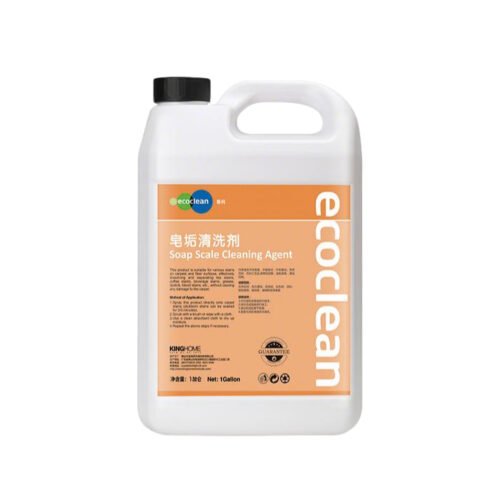
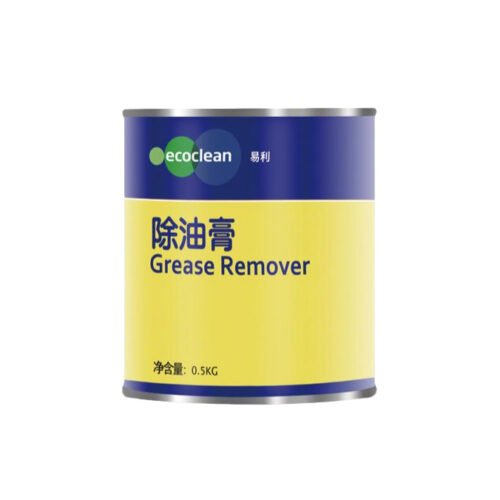


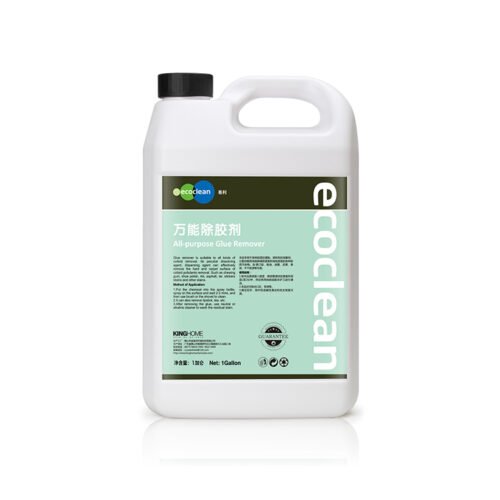

Los productos químicos para la limpieza de piedra son la base de los programas profesionales de mantenimiento de superficies en instalaciones comerciales, hostelería y entornos institucionales. Estas fórmulas especializadas eliminan la suciedad, las manchas orgánicas, los depósitos minerales y la película de tráfico de las superficies de piedra natural, como mármol, granito, travertino, caliza y terrazo, sin comprometer los selladores ni causar marcas. Los limpiadores profesionales se diferencian de los productos de consumo por sus niveles de pH controlados, fórmulas concentradas que reducen los costes por aplicación y compatibilidad con equipos automatizados de mantenimiento de suelos.
Choose a stone cleaner by the stain type, stone sensitivity, and whether the job is daily maintenance, deep degreasing, rust removal, water-spot treatment, or carpet and facility cleaning. Use pH-neutral cleaners for routine marble and granite care, targeted removers for rust or water spots, and low-foam or specialty cleaners for machines and large commercial areas.
| Cleaning problem | Cleaner direction | Typical surface |
|---|---|---|
| Daily stone maintenance | pH-neutral stone cleaner | Marble, granite, terrazzo, polished tile |
| Oil, grease, or heavy soil | Degreaser or low-foam machine cleaner | Commercial floors, kitchens, industrial areas |
| Rust or mineral marks | Targeted rust or water-spot remover | Marble, granite, tile, stone walls |
| Carpet or odor issues | Dry foam, carpet, or odor-control cleaner | Carpet zones, entrances, public facilities |
Compare KingHome cleaner products by pH, stain target, machine compatibility, surface safety, and whether the job needs routine maintenance or corrective restoration.
Los limpiadores comerciales para piedra están formulados como soluciones de pH neutro (normalmente 7,0-8,5) para preservar la integridad de la superficie durante los ciclos de mantenimiento diarios. Los formatos concentrados permiten proporciones de dilución de 1:32 a 1:128 en función de la carga de suciedad y el método de aplicación, ya sea pulverizar y limpiar, pasar una mopa húmeda o fregar automáticamente.
Los entornos de aplicación incluyen vestíbulos de hoteles con suelos de mármol muy transitados, cocinas de restaurantes con encimeras de granito que requieren un mantenimiento seguro para los alimentos, atrios de edificios de oficinas con elementos de piedra pulida e instalaciones sanitarias en las que los protocolos de control de infecciones exigen una química de limpieza específica. La selección del producto depende del tipo de piedra, el estado del sellador, las condiciones del suelo y la capacidad del equipo de mantenimiento. Los limpiadores alcalinos tratan la suciedad orgánica y la grasa, mientras que las fórmulas especiales abordan problemas específicos como las manchas de agua dura, la eflorescencia o el crecimiento biológico en instalaciones de piedra exteriores.
El envasado a granel en galones, cubos de 5 galones y bidones respalda las operaciones de mantenimiento de instalaciones y los canales de distribución de productos de limpieza. Las fichas técnicas especifican los índices de dilución, los tiempos de permanencia, la compatibilidad con los sistemas de acabado de suelos y los datos de seguridad para los programas de formación del personal. Muchas fórmulas comerciales se integran con sistemas de limpieza codificados por colores para evitar la contaminación cruzada entre áreas de servicio de alimentos, baños y zonas generales de las instalaciones.
Los criterios de selección incluyen pruebas de compatibilidad de superficies, coste por galón diluido, compatibilidad de equipos (fregadoras automáticas, botellas pulverizadoras, sistemas de cubo de fregona), perfiles de fragancia para espacios ocupados y disponibilidad de asistencia técnica del proveedor. Los programas profesionales de cuidado de la piedra suelen combinar limpiadores neutros diarios con formulaciones alcalinas de limpieza profunda periódica y tratamientos anuales de restauración para mantener los estándares de apariencia y prolongar el ciclo de vida de la piedra.
PONERSE EN CONTACTO
Stone floor cleaner searches often mix three needs: daily maintenance chemistry, corrective stain removal, and machine-compatible cleaning for larger floors. A pH-neutral cleaner or neutral cleaner is safer for routine marble, granite, terrazzo, and polished tile care. A floor deep cleaner, stain remover, rust remover, grease remover, soap scum cleaner, or adhesive remover should be selected only after the stain source and surface sensitivity are clear.
| Patrón de consulta de GSC | Cleaner direction | Nota de selección |
|---|---|---|
| Stone floor cleaner or daily cleaner | pH-neutral cleaner for routine facility maintenance | Use on sealed marble, granite, terrazzo, and polished tile when the goal is safe daily cleaning without dulling the finish. |
| Best stain remover for granite or stone stain remover | Targeted stain remover matched to oil, rust, cement, water spot, or organic residue | Identify the stain first; the wrong chemistry can spread the mark or damage sensitive stone. |
| Floor stripping or floor wax stripper | Stripper or coating remover used before recoating, waxing, or deep restoration | Confirm whether the floor has wax, sealer, coating, or adhesive residue before choosing dilution and dwell time. |
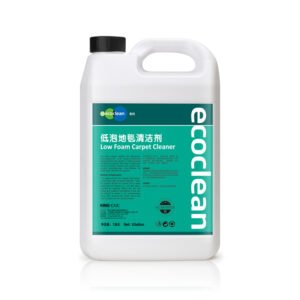
| Floor cleaner machine or stone cleaner machine | Low-foam cleaner paired with scrubber, wet vacuum, or floor cleaning machine | Match foam level, recovery method, brush or pad type, and water pickup to the equipment. |
For facility programs, keep separate products for daily cleaner use, heavy soil recovery, and problem stains. Cement dust cleaner, grease remover, soap scum cleaner, adhesive remover, and wax stripper all solve different problems, so a cleaner archive should be used as a selection map rather than a single-product answer. When machine cleaning is involved, pair the chemical choice with the correct brush, pad, scrubber dryer, or wet vacuum.
Rutas de producto relacionadas: comparar Limpiador neutro for daily maintenance, Limpiador Profundo de Suelos for heavier soil, Eliminador rápido de óxido de mármol for rust marks, Desengrasante for oil residue, Eliminador de adhesivos multiuso for sticky residue, and Removedor de cera rápido before planning a full floor cleaning cycle.



u003cstrongu003eA: u003c/strongu003eTo avoid damaging floors when choosing cleaners, follow these key steps:u003cbru003eu003cbru003eFirst, u003cstrongu003eidentify your flooring typeu003c/strongu003e clearly—common commercial options include calcium-based stone (marble/limestone), epoxy, ceramic tile, PVC, and concrete. Each has unique tolerances: marble/limestone hate acids (they etch surfaces), while epoxy resists mild alkalis but not strong solvents.u003cbru003eu003cbru003eSecond, u003cstrongu003echeck the cleaner’s pH and ingredientsu003c/strongu003e. Match pH to your floor: use neutral (pH 6–8) cleaners for marble/PVC, mild alkaline (pH 10–12) for epoxy/concrete, and mild acidic (pH 4–6) only for tile (to remove limescale). Avoid cleaners with abrasives (e.g., scrubbing particles) or harsh solvents (e.g., alcohol for PVC), as they scratch or dissolve surfaces.u003cbru003eu003cbru003eThird, u003cstrongu003edo a small testu003c/strongu003e. Apply the cleaner to an inconspicuous spot (e.g., floor corners), let it sit 10–15 minutes, then wipe clean. Wait 12–24 hours to check for discoloration, dulling, or etching—no reaction means it’s safe.u003cbru003eu003cbru003eFinally, u003cstrongu003efollow manufacturer guidelinesu003c/strongu003e—both your floor’s maker (e.g., epoxy coating brands) and the cleaner’s provider often list compatibility details. This simple process prevents costly floor damage.
u003cstrongu003eA: u003c/strongu003eProfessional pH neutral stone cleaners typically dilute at ratios between 1:32 and 1:128 depending on soil load and application method. Light daily maintenance on sealed marble or granite s urfaces uses 1:128 dilution (1 ounce per gallon), while moderate soil conditions require 1:64 dilution, and heavy-traffic areas or grease removal needs 1:32 concentration. Automatic floor scrubbers often specify 2-4 ounces per gallon in solution tanks. Always verify manufacturer specifications for your specific stone type, as porous limestone or travertine may require different ratios than dense granite. Concentrated formulas reduce shipping costs and storage space requirements while maintaining consistent per-application economics across facility portfolios.
u003cstrongu003eA: u003c/strongu003epH neutral cleaners (6.5-8.0) handle routine maintenance on sealed stone, removing daily soil and light grease without residue or sealer damage, making them ideal for 80-90% of cleaning cycles. Alkaline cleaners (pH 9-11) are reserved for heavy soil removal, organic staining, and periodic deep cleaning on resilient stones like granite but may etch sensitive marble or limestone. Facility managers typically establish maintenance schedules using neutral chemistry for daily or twice-daily cleaning, with quarterly or semi-annual alkaline deep cleans followed by sealer reapplication. Stone type determines protocol: sealed granite tolerates occasional alkaline treatment, while polished marble requires strict pH-neutral maintenance to prevent etching and surface dulling. Consider automatic scrubber compatibility, as many machines specify neutral cleaners to prevent residue buildup in recovery tanks and maintain warranty coverage.
u003cstrongu003eA: u003c/strongu003eNo, this is a common misconception. Cleaner effectiveness has an optimal range—beyond a certain concentration, higher levels don’t boost cleaning power and even cause problems.u003cbru003eu003cbru003eFirst, u003cstrongu003ecleaning power hits a ceilingu003c/strongu003e. Most cleaners rely on surfactants or active ingredients to break down dirt. Once the concentration reaches a u0022critical point,u0022 extra ingredients just sit idle, wasting product without improving results.u003cbru003eu003cbru003eSecond, u003cstrongu003ehigh concentration risks damageu003c/strongu003e. Stronger formulas (e.g., overly alkaline degreasers) can corrode floors (like marble or epoxy coatings) or commercial equipment parts (such as scrubber rubber seals). Acidic cleaners, if too concentrated, may etch tile or stone.u003cbru003eu003cbru003eThird, u003cstrongu003eresidue becomes a hassleu003c/strongu003e. High-concentration cleaners are hard to rinse fully. Left-behind residue makes floors sticky, attracts more dirt, or creates slip hazards in commercial spaces (e.g., restaurants, offices).u003cbru003eu003cbru003eFinally, u003cstrongu003esafety is compromisedu003c/strongu003e. Concentrated chemicals release stronger fumes, irritating workers’ skin or lungs.u003cbru003eu003cbru003eAlways follow the manufacturer’s dilution instructions—they balance cleaning efficiency, surface protection, and safety.
u003cstrongu003eA: u003c/strongu003eLow-foam cleaners are critical for commercial gear like ride-on scrubbers and pressure washers—not just a preference. Here’s why:u003cbru003eu003cbru003eFirst, they protect suction systems. High foam clogs hoses and vacuum motors, cutting suction, leaving dirty water on floors, and causing costly repairs (up to $2,000 for motor damage). Low foam flows freely, keeping suction working.u003cbru003eu003cbru003eSecond, they boost safety. High foam dries to a sticky, slippery film—risky for spaces like restaurants or hospitals. Low foam dries residue-free, avoiding slips and meeting OSHA standards.u003cbru003eu003cbru003eThird, they cut downtime. High foam fills tanks fast, forcing frequent emptying (every 30–45 minutes vs. 1–2 hours for low foam). They also won’t corrode rubber seals or metal parts, reducing maintenance costs.u003cbru003eu003cbru003eFinally, they work with high-pressure/automated machines. High foam disrupts pressure washers (spreading debris) and triggers false “tank full” alerts on automated scrubbers. Low foam matches these machines’ needs.u003cbru003eu003cbru003eIn all, low-foam cleaners keep equipment running, spaces safe, and costs down.
 Spanish
  English