BIENVENIDO A KINGHOME
Obtenga un presupuesto gratuito
Le responderemos en un plazo de 8 horas

BIENVENIDO A KINGHOME
Le responderemos en un plazo de 8 horas
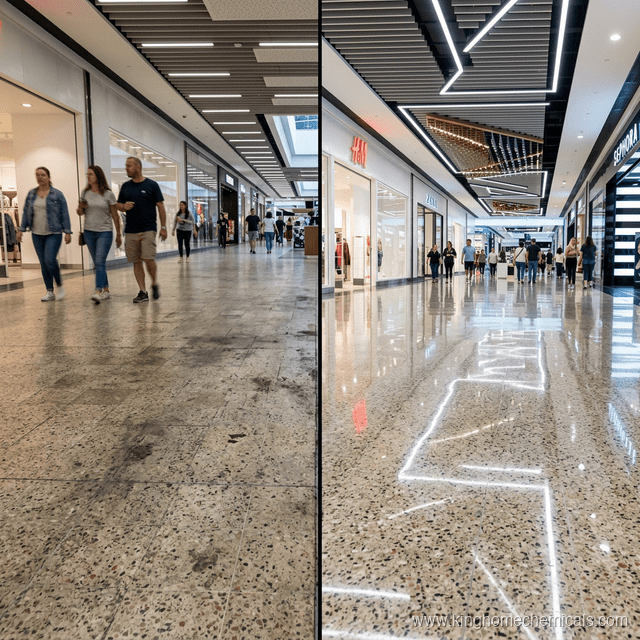
El abrillantador y la cera para suelos protegen y mejoran el aspecto del pavimento, pero funcionan de formas distintas, sirven para superficies diferentes y exigen rutinas de mantenimiento diferentes. Elegir mal puede dejar una superficie resbaladiza, acumulación amarillenta o un acabado que se desgasta en pocos días.
Use floor polish when you need a modern, fast-drying protective finish for VCT, LVT, sealed concrete, terrazzo, or commercial floors that need regular burnishing. Use floor wax when you are maintaining wood, cork, heritage floors, or surfaces where a warmer, thicker protective layer is more important than fast stripping and recoating.
| Decision point | Floor polish | Floor wax |
|---|---|---|
| Uso recomendado | Commercial VCT, LVT, sealed concrete, terrazzo, and high-traffic maintenance programs | Wood, cork, parquet, heritage floors, and lower-speed traditional finishing |
| Finish behavior | Thin acrylic or polymer film that dries quickly and can be burnished | Thicker wax layer that builds depth and needs more labor to remove |
| Maintenance fit | Better for facilities that strip, recoat, and restore gloss on a schedule | Better for floors where a natural, warm finish is the priority |
| Stone floors | Use stone-specific polishing or crystallization instead of generic floor polish | Avoid wax buildup on marble and granite unless the system is specified for that stone |
If the floor already has coating buildup, start with floor wax and polish stripping. If you are choosing a long-term protection layer, compare this guide with floor polish vs floor sealer before specifying the maintenance system.

As of 2026, water-based polymer floor polishes have become the dominant standard in commercial facility maintenance, displacing traditional wax in most non-residential applications. Floor wax remains the preferred choice for hardwood, parquet, cork, and heritage installations where a warm, natural finish is the priority. This guide breaks down the real differences between floor polish and floor wax so you can make the right choice for your specific flooring.
Floor polish (also called floor finish) is a thin, liquid acrylic or polymer coating that dries to a clear, glossy film on the floor surface. Modern floor polishes are water-based and form a protective layer that:
Floor polishes are the modern standard for commercial floor maintenance in offices, retail stores, hospitals, and schools. They work best on VCT (vinyl composition tile), LVT (luxury vinyl tile), linoleum, and sealed concrete.
For natural stone floors like marble and granite, specialized stone polishing compounds and crystallization treatments deliver far better results than generic acrylic floor polish. See our stone crystallization vs crystal plating comparison for stone-specific finishing methods.
Floor wax is a thicker, paste-like or liquid product — traditionally made from natural carnauba wax, beeswax, or synthetic wax blends — that builds a substantial protective layer on the floor surface. Floor wax:
Floor wax was the industry standard for decades but has been largely replaced by modern polymer floor polishes in commercial settings. Wax remains preferred for hardwood floors, parquet, cork, and some heritage stone installations where a traditional warm finish is desired.
| Característica | Abrillantador de suelos | Cera para suelos |
|---|---|---|
| Primary ingredient | Water-based acrylic / polymer | Carnauba, beeswax, or synthetic wax blends |
| Best floor types | VCT, LVT, linoleum, sealed concrete | Hardwood, parquet, cork |
| Apariencia | High-gloss, uniform sheen | Warm, natural luster |
| Coats required | 2–4 thin coats | 3–6 heavier coats |
| Drying time per coat | 30–60 minutes | 1–4 hours |
| Required equipment | Flat microfiber mop; high-speed burnisher (1,500–2,000 RPM) | Lambswool applicator; low-speed rotary machine (175–350 RPM) |
| Maintenance frequency | Strip and recoat every 3–6 cycles | Strip and recoat every 2–4 cycles |
| Removal | Easy with dedicated floor stripper | Harder — chemical stripper + significant labor |
| Yellowing risk | Bajo | Moderate to high in low-traffic or UV-exposed areas |
| Typical settings | Offices, retail, hospitals, schools | Residential, boutique retail, heritage properties |
Choose Floor Polish If:
Choose Floor Wax If:
Note — Natural Stone Floors: If your floor is marble, granite, travertine, or any natural stone, neither floor polish nor floor wax is appropriate. Use stone-specific sealers and enhancers for granite, or crystallization compounds for marble. See our professional marble floor maintenance guide for the correct approach.
Scenario 1: High-traffic VCT office lobby
A facility manager overseeing a large VCT-floored office lobby needs a finish that holds up under constant daily foot traffic, restores gloss quickly after scuffing, and can be recoated without closing the space for a full day. Floor polish is the clear choice. Three to four coats applied over a weekend, burnished on Monday morning, and the lobby is back in full service — no extended downtime. When the finish dulls after several months, a spray buff with a high-speed burnisher restores the gloss in a single pass without requiring a full strip.
Scenario 2: Residential hardwood parquet in a period property
A homeowner with original hardwood parquet wants to protect the wood and maintain the warm, slightly matte appearance that suits the room’s traditional aesthetic. Floor wax is appropriate here. It builds a protective layer without the plastic-like uniformity of polymer polish, can be spot-repaired by buffing a small area without stripping the whole floor, and deepens the natural tone of the wood. The trade-off is longer application time and a full stripping cycle every few years.

For Floor Polish:
For Floor Wax:
Mistake 1: Applying wax over polish (or vice versa). The products are chemically incompatible. Wax will not bond to a polished surface, and polish will not bond to a waxed surface. Always strip to bare floor before switching products.
Mistake 2: Using floor polish on natural stone. Acrylic floor polish creates a film on stone that traps moisture and prevents the surface from breathing. On polished marble, this film gradually hazes the natural clarity of the stone, appearing as a dull, milky cast that is often mistaken for deterioration in the stone itself. On granite, the acrylic layer suppresses color depth and makes future professional crystallization or enhancement treatments significantly more difficult and expensive — the film must be fully stripped before any stone-specific treatment can bond to the surface.

Mistake 3: Over-application without stripping. Both polish and wax build up with each application. Without periodic stripping (every 3–6 cycles for polish, every 2–4 cycles for wax), the buildup yellows, cracks, and traps embedded dirt that routine cleaning cannot remove.
Mistake 4: Ignoring slip resistance. Freshly applied wax can be extremely slippery. Always test slip resistance after application and consider adding an anti-slip additive to the final coat in areas with water exposure — kitchens, restrooms, and building entrances in particular.
Is floor polish the same as floor wax?
No. Floor polish is a water-based acrylic or polymer coating that forms a thin, glossy film on the floor surface. Floor wax is a thicker product — traditionally made from carnauba or synthetic wax blends — that builds a durable protective layer with a warmer, less reflective sheen. They use different chemistries, require different equipment to apply, and suit different floor types. Using one in place of the other on the wrong floor type leads to poor adhesion, premature wear, or finish incompatibility.
Can you use floor polish on wood floors?
Not recommended. Generic acrylic floor polish is formulated for hard, non-porous surfaces such as VCT, LVT, and linoleum. On wood floors, it forms a surface film rather than penetrating the grain, making it prone to chipping and peeling as the wood expands and contracts seasonally. Hardwood floors perform significantly better with dedicated floor wax or a purpose-built hardwood floor finish.
How often should you strip and reapply floor wax?
A full strip and reapplication is generally needed every 2–4 complete application cycles. Between cycles, buffing with a low-speed rotary machine restores surface gloss without full removal. Key indicators that stripping is overdue include: visible yellowing, buildup accumulation along room edges, a dull appearance that buffing no longer corrects, or embedded dirt that cleaning cannot remove.
What happens if you apply floor wax over floor polish?
The products are chemically incompatible. Wax will not bond to a polished acrylic surface — the result is poor adhesion, uneven coverage, and a finish that scuffs and peels quickly under foot traffic. The same problem occurs in reverse. Always strip the floor to bare surface before switching between the two product types.
Which is better for high-traffic commercial floors?
For most commercial settings — offices, retail stores, hospitals, and schools — floor polish is the clear choice. It dries faster (walk-ready in 30–60 minutes per coat), maintains better gloss under continuous heavy foot traffic, and strips easily for routine recoating. Floor wax is better suited to moderate-traffic settings such as residential spaces, boutique retail, or heritage properties where a traditional appearance takes priority over commercial-grade gloss and fast maintenance turnaround.
Professional Stone Floor Finishing: For stone floors — marble, granite, travertine, or terrazzo — neither generic floor polish nor floor wax is appropriate. Natural stone requires specialized treatments: crystallization compounds for marble, stone enhancers for granite, and specialized polishing compounds for terrazzo. Applying generic floor products to stone creates a difficult-to-remove film that complicates future professional restoration. See our stone crystallization vs crystal plating comparison for the correct approach.
The floor polish vs wax decision is also a lifecycle and labor question. Searchers may use wax, polish, finish, and sealer interchangeably, but a facility still needs one compatible system for cleaning, recoating, burnishing, stripping, slip control, and downtime.
| Decision area | Floor polish direction | Floor wax direction | Risk to check |
|---|---|---|---|
| Film chemistry | Modern acrylic or polymer finish for many commercial VCT and resilient floors. | Traditional wax-based film for specific wood, cork, or heritage maintenance programs. | Do not layer incompatible systems without stripping and testing adhesion. |
| Maintenance cycle | Designed for routine cleaning, burnishing where suitable, scrub and recoat, and planned stripping. | Can give warm shine but may need different buffing and removal practice. | Downtime, odor, labor, and whether the facility can maintain the selected system. |
| Cost driver | Often lower lifecycle labor when recoats are timed before finish failure. | Can become costly if buildup requires aggressive stripping. | Compare labor hours, dry time, stripping chemicals, pads, and closure windows. |
| Substrate fit | Common for VCT, LVT, sealed concrete, and many commercial resilient floors. | Use only where wax is appropriate for the substrate and traffic. | Water sensitivity, slip resistance, color change, and manufacturer maintenance rules. |
If the existing floor history is unknown, test a small area before switching products. A clear lifecycle plan is usually more useful than asking for the best floor wax in isolation.
Common floor wax uses include adding a warmer floor wax shine, protecting wood or cork, and building a thicker traditional finish on lower-speed floors. In commercial maintenance, however, floor polish is usually the better choice for VCT, LVT, sealed concrete, and high-traffic areas because it dries faster, accepts burnishing, and is easier to strip and recoat.
| Pregunta de búsqueda | Practical answer | Facility note |
|---|---|---|
| Is floor polish the same as wax? | No. Floor polish is usually a modern acrylic or polymer finish; floor wax is a thicker wax-based protective layer. | Do not mix floor polish and wax without stripping the old finish first. |
| Wax floor polish or floor wax polish | These phrases are often used casually, but product chemistry matters more than the name on the search. | Check whether the product is a polish, wax, sealer, or stripper before applying it. |
| Commercial floor wax | Traditional wax can work in moderate traffic or heritage environments, but most commercial floors use polish. | For hospitals, schools, malls, and offices, compare slip resistance, dry time, buffing schedule, and stripping labor. |
| VCT floor wax or best floor wax for VCT | Most VCT programs should use commercial floor polish rather than old-style wax. | If the floor already has wax buildup, use the right floor wax stripping chemicals before recoating. |
The difference between floor polish and floor wax matters most when switching systems. A floor wax polish layer over acrylic polish can peel, haze, or scuff because the products do not bond correctly. When a floor has unknown layers, strip a test area, confirm the substrate, and choose a single maintenance system before applying a new finish.
Related workflows: see how to strip floor wax and polish, VCT floor maintenancey floor polish vs floor sealer before choosing the finish cycle.
Searches such as what is floor polish, is floor polish the same as wax, floor wax uses, floor finish, and floor sealer usually come from the same practical question: what should be applied to this floor next? The safer answer is to choose by floor type, existing coating condition, and maintenance goal. Polish, wax, finish, and sealer can overlap in casual language, but they should not be treated as one product when the floor is VCT, vinyl, stone, wood, or an older coated surface.
| Floor or coating condition | Use this direction | Product or process path |
|---|---|---|
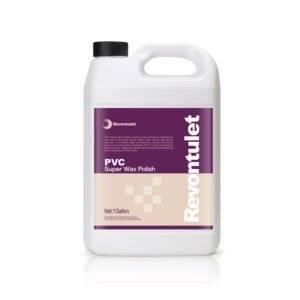
| VCT, PVC, vinyl, or resilient flooring that needs gloss renewal | Use a compatible liquid floor polish or floor finish in thin coats after cleaning. | PVC Super Wax Polish and the VCT floor maintenance guide |
| Stone or hard commercial floors that need more gloss and surface hardness | Use a hardening wax or polish system only after confirming the substrate and maintenance method. | Cera de alto brillo y endurecimiento sólido |
| Wax-coated floors that are dull but still bonded | Clean, buff, and polish with the right pad before deciding to strip the coating. | 3M 3600 Pink Polishing Pad |
| Yellowed buildup, peeling wax, or contaminated old layers | Strip the failed coating, rinse fully, then rebuild with the correct polish, wax, finish, or sealer. | Removedor de cera rápido y floor wax stripping steps |
| Porous or stained floors that need base protection | Compare finish with sealer before applying gloss products over a weak base. | Floor polish vs floor sealer |


When the question is product language, start with this page. When the question is removal, follow how to strip floor wax and polish. When the question is base protection, compare floor polish vs floor sealer. For machine planning, use industrial floor polishing machines before matching pads, chemicals, and floor finish to the site.
Usa cera cuando el sistema del suelo esté diseñado para una película encerada, cuando baste un brillo más cálido de baja velocidad o cuando madera, corcho o un programa antiguo de mantenimiento lo requiera. Usa abrillantador comercial cuando el suelo sea VCT, LVT, hormigón sellado o un pavimento resiliente de alto tránsito que necesite secado rápido, burnishing, mantenimiento de fregado y recubrimiento, y decapado predecible.
| Floor wax use case | Use wax? | Better alternative when needed |
|---|---|---|
| Wood or cork floors with a traditional maintenance system | Usually yes, if the manufacturer allows it | Use a wood-specific wax or finish, not generic VCT polish |
| VCT, PVC, and vinyl commercial floors | Usually no | PVC Super Wax Polish or another compatible commercial polish |
| High-traffic retail, school, hospital, or office floors | Only when the maintenance program supports wax | Use polish with planned burnishing, scrub-and-recoat, and stripping cycles |
| Yellowed buildup or peeling old finish | No | Strip first with Removedor de cera rápido, then rebuild the finish system |
What is floor wax used for? Floor wax is used to build a protective shine layer on compatible floors, especially traditional wood, cork, and some legacy low-speed maintenance programs. It should not be assumed to be the right product for every shiny commercial floor.
Can floor wax be used on VCT? La mayoría de programas modernos de mantenimiento VCT usan abrillantador o acabado comercial en lugar de cera tradicional. El abrillantador es más fácil de recubrir, abrillantar y decapar en grandes suelos comerciales.
When should floor wax be stripped? Strip wax when it yellows, peels, traps soil, becomes slippery, or stops responding to cleaning and buffing. Adding more wax over failed layers usually makes the next restoration harder.
Use this comparison with VCT floor maintenance for recoat timing, stone floor cleaners for daily chemistry, and floor scrubber vs buffer when choosing the machine.
Relacionado: Programa de mantenimiento de suelos VCT · Floor polish vs floor sealer guide · Floor scrubber vs buffer guide
La cera crea una película y el abrillantador busca recuperar el brillo mediante mantenimiento mecánico o químico. La elección depende del material, el tráfico, el nivel de brillo deseado y la facilidad de retirar el acabado cuando se desgasta.
 Spanish
  English