WELCOME TO KINGHOME
Get A Free Quote
We will get back to you within 8 hours

WELCOME TO KINGHOME
We will get back to you within 8 hours


Choose a floor cleaning machine by matching the job to the surface and finish goal. Use scrubber dryers for routine wet cleaning on tile, concrete, terrazzo, and facility floors. Use floor grinders for concrete leveling, coating removal, and stone restoration. Use floor polishers and single-disc machines for marble, granite, terrazzo, and VCT maintenance where gloss and finish control matter.
| Machine type | Best use | Common buyer intent |
|---|---|---|
| Scrubber dryer | Daily or scheduled floor washing in commercial buildings | Stone floor scrubber machine, cleaning machine, facility floor cleaning |
| Floor grinder | Concrete prep, coating removal, leveling, and heavy restoration | Floor grinding machines, marble grinding machine, concrete grinder |
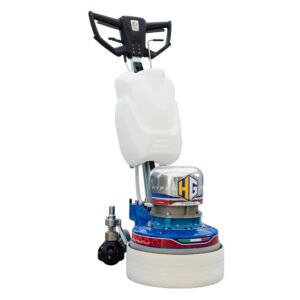
| Floor polisher | Gloss restoration and maintenance for marble, granite, terrazzo, and VCT | Floor polishers, industrial polisher machine, stone polishing machine |
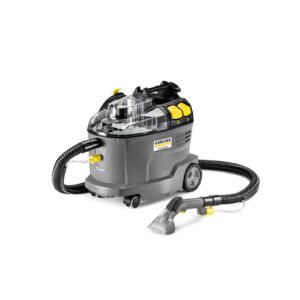
| Extractor or pressure washer | Carpet, upholstery, entrance areas, exterior stone, and heavy soil removal | Commercial cleaning machine, pressure washer, spot cleaning equipment |
For comparison workflows, start with the floor scrubber vs buffer guide or the concrete polishing machine vs floor grinder guide. For large stone floors, compare machine width, motor power, tooling compatibility, water feed, dust extraction, and service access before choosing a model.
KingHome supplies professional floor cleaning, polishing and grinding machines engineered for commercial facility maintenance and stone fabrication operations. These machines handle marble, granite, terrazzo, and engineered stone surfaces in hotels, corporate facilities, retail centers, and public buildings where natural stone durability and appearance directly impact property value and visitor experience.
Commercial stone polishing equipment ranges from single-disc manual polishers for detailed restoration work to multi-head planetary grinding machines capable of processing 800-1,000 square feet per hour. Motor specifications typically span 1.5-3kW for handheld units and 10-30kW for industrial floor grinders, with variable speed control (300-1,400 RPM) essential for matching machine performance to stone hardness—softer marble requires lower speeds while granite demands higher rotational force and diamond abrasive tooling. Working widths vary from 200mm edge polishers to 550mm+ floor grinders, determining coverage rates and operational efficiency for different facility sizes.
Professional-grade machines incorporate water-feed systems for dust suppression and thermal management, planetary head assemblies for even pressure distribution, and compatibility with progressive diamond pad sequences (50-3000 grit) that transform rough-ground surfaces to mirror-finish polishes. Facility managers specify equipment based on total floor area, stone type prevalence, maintenance frequency, and whether operations require restoration capabilities or routine maintenance polishing. High-traffic commercial installations benefit from machines offering quick-change tooling systems and adjustable pressure controls that adapt to varying stone conditions without equipment changeover.
KingHome's partnership with Italian manufacturer Klindex provides access to CE-certified industrial grinding and polishing systems meeting international safety and performance standards. Equipment selection requires matching motor power, head configuration, and abrasive compatibility to specific stone types and facility maintenance schedules. Technical consultation helps procurement teams evaluate single-phase versus three-phase power requirements, determine appropriate working widths for facility layouts, and specify features like dust extraction ports, water tank capacity, and transport configurations for multi-floor operations.
Stone care machines represent capital investments requiring consideration of consumable costs (diamond tooling, polishing pads), operator training requirements, and maintenance support availability. Professional equipment delivers consistent surface finishing, extends stone lifespan through proper maintenance protocols, and maintains the aesthetic standards essential in hospitality, corporate, and high-end retail environments where natural stone surfaces contribute significantly to property differentiation and market positioning.
GET IN TOUCH
This product category should help buyers build a machine package before they choose a single SKU. GSC queries for floor grinder, floor grinders, floor grinding machines, floor scrubber, stone floor scrubber machine, floor cleaning machines, and stone polishing machines show mixed intent across cleaning, grinding, polishing, and restoration. The safer path is to start with the facility workflow, then match the machine class, tooling, brushes, pads, chemicals, and water recovery.
| Workflow | Machine direction | Package check |
|---|---|---|
| Daily floor cleaning and fast reopening | Walk-behind or ride-on scrubber dryer, compact floor washer, or wet vacuum support | Confirm cleanable width, tank capacity, water recovery, squeegee fit, brush or pad type, and operator route. |
| Concrete or stone preparation | Floor grinder, concrete floor grinder, planetary grinder, or single-disc machine for controlled work | Pair machine weight, RPM, dust or slurry control, and diamond tooling with coating removal, lippage, or scratch depth. |
| Gloss restoration and maintenance polishing | Floor polisher, burnisher, stone polishing machine, or crystallization machine | Match pad diameter, speed range, chemical compatibility, and gloss target to marble, granite, terrazzo, concrete, or coated floors. |
| Mixed facility or contractor fleet | Modular package across scrubber, grinder, polisher, extractor, pressure washer, and accessories | Build around the jobs repeated every week, then add specialty machines only where the floor type or site constraint requires them. |
A category-level shortlist should separate product roles. Scrubber dryers and floor scrubbers solve soil removal and water recovery. A floor grinder changes the surface profile before coating, sealing, polishing, or restoration. A floor polisher maintains or restores gloss when the surface is already prepared. A single-disc machine can support cleaning, crystallization, and small-area restoration, but it should not replace a heavier grinder when leveling or coating removal is required.
Related planning paths: compare floor cleaning machine options, review floor grinder machines, browse floor polisher options, match equipment with diamond grinding discs, and use floor scrubber vs buffer when the workflow mixes cleaning, buffing, and polishing.
u003cstrongu003eA: u003c/strongu003eCommercial stone polishing machines require 1.5-3kW motors for handheld applications and 10-30kW for industrial floor grinders. Granite and hard stone demand higher power specifications due to material density, while marble and softer stones perform adequately with mid-range motors. Variable speed control (300-1,400 RPM) is essential for matching rotational force to stone hardness and preventing surface damage during grinding operations.
u003cstrongu003eA: u003c/strongu003eFacility maintenance applications benefit from planetary head floor grinders with 400-550mm working widths, processing 800-1,000 square feet hourly. Multi-head configurations (3-4 grinding heads) provide even pressure distribution and faster coverage rates than single-disc machines. Essential features include water-feed dust control, quick-change tooling systems for different stone types, and adjustable pressure settings. Single-disc polishers supplement floor grinders for edge work, stair treads, and detailed restoration projects.
u003cstrongu003eA: u003c/strongu003eGrinding machines remove material using coarse diamond abrasives (50-400 grit) to level uneven surfaces, eliminate scratches, or expose aggregate in concrete. Polishing machines refine surfaces using progressive fine abrasives (400-3000 grit) to achieve gloss finishes. Many professional units function as combination grinder-polishers through interchangeable tooling plates. Grinding requires higher motor torque and rigid head assemblies, while polishing emphasizes consistent pressure and speed control for uniform shine.
u003cstrongu003eA: u003c/strongu003eProfessional stone machines handle multiple stone types through adjustable speed settings and appropriate diamond tooling selection. Marble (Mohs 3-4 hardness) requires softer bond diamonds and lower speeds to prevent thermal damage and achieve proper crystallization. Granite (Mohs 6-7) demands harder bond diamonds, higher rotational speeds, and increased pressure for effective material removal. Variable-speed machines are essential for facilities maintaining diverse stone installations.
u003cstrongu003eA: u003c/strongu003eB2B stone polishing equipment should carry CE certification demonstrating European safety and performance compliance, particularly important for international manufacturers. Additional relevant standards include electrical safety certifications (IEC 60335 for motor safety), dust extraction compliance (where applicable), and motor efficiency ratings. Professional suppliers provide technical documentation, operator training materials, and warranty coverage. Equipment operating in food-service or healthcare facilities may require additional hygiene certifications.


 English
  Spanish