BIENVENIDO A KINGHOME
Obtenga un presupuesto gratuito
Le responderemos en un plazo de 8 horas

BIENVENIDO A KINGHOME
Le responderemos en un plazo de 8 horas
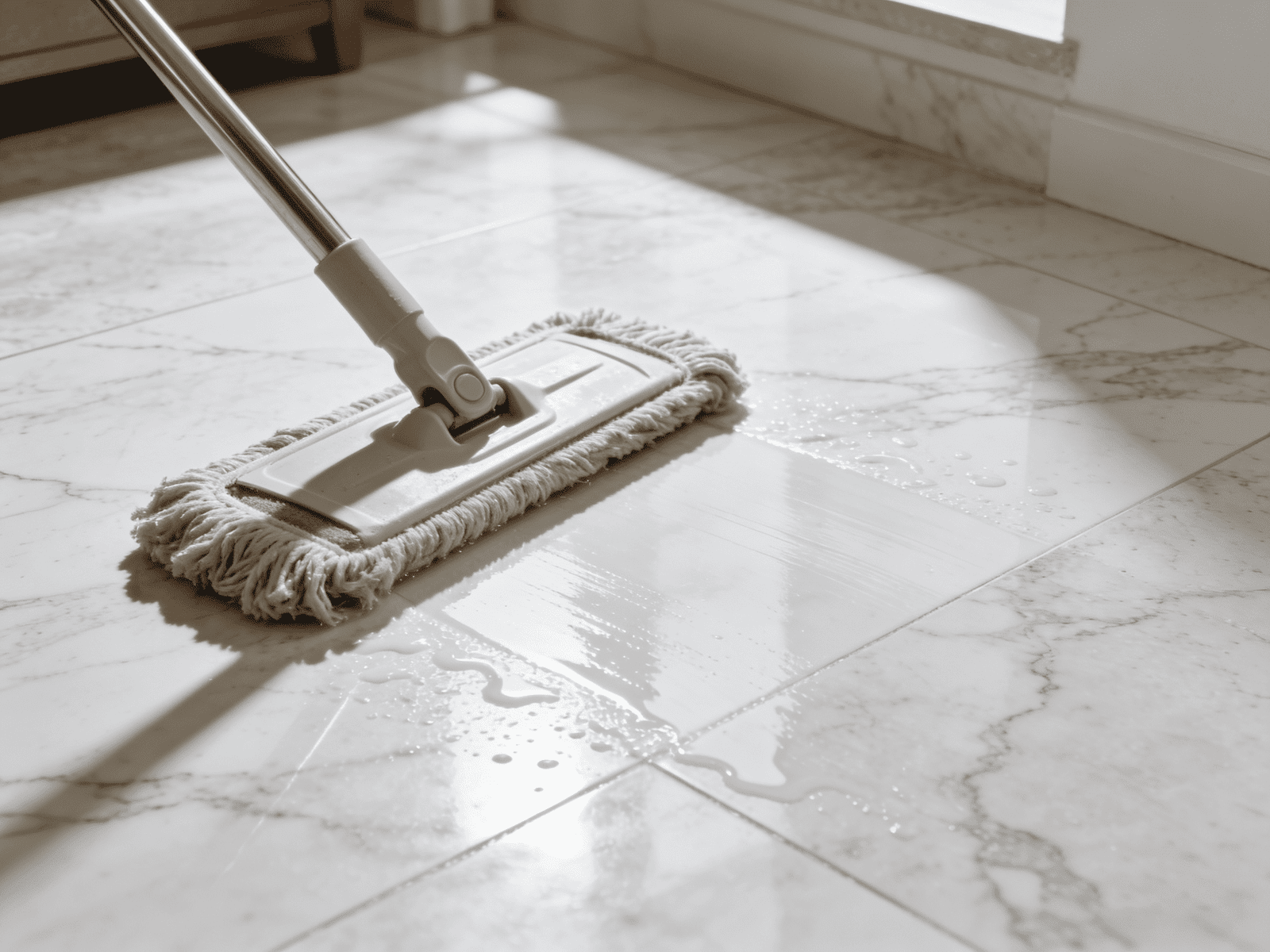
Most marble cleaning mistakes start before the first wipe or machine pass. Confirm whether the surface is polished marble, honed marble, limestone, travertine, or engineered stone, then choose a marble-safe cleaner with neutral pH and no acidic ingredients. Marble etching is chemical damage, not ordinary dirt, so vinegar, lemon juice, bathroom descaler, harsh degreaser, and abrasive powders can leave dull marks even when the floor looks clean at first.
| GSC search intent | Safe direction | Riesgo que evitar |
|---|---|---|
| Marble cleaning mistakes | Use a pH-neutral marble-safe cleaner, soft microfiber, and short dwell time | Acidic cleaner, bleach mixtures, or long chemical dwell that can create etching or haze. |
| Marble floor cleaning machine | Use a soft brush or white/tan pad with controlled pressure and clean water recovery | Stiff brushes, aggressive pads, or dirty recovery water that re-deposits grit on polished marble. |
| Marble cleaner machine | Match machine speed, pad, and cleaner chemistry to polished or honed finish | Assuming a tile or concrete cleaning setup is automatically safe for calcium-based stone. |
| Marble sealer maintenance | Test water absorption and reseal when the stone darkens quickly from moisture | Using polish or topical wax to hide stains instead of correcting sealer failure and contamination. |
For homeowners, the safest routine is simple: dust first, clean with a neutral stone cleaner, rinse or wipe residue, dry the surface, and inspect for dull spots before using any machine or polishing pad. If the marble already has rings, cloudy patches, or rough-feeling marks, treat it as possible etching rather than a normal stain. A cleaner may remove residue, but true marble etching usually needs polishing, crystallization, or professional restoration.
Rutas de planificación relacionadas: comparar stone floor cleaner options, review industrial stone floor cleaning chemistry, and use the stone enhancer buying guide only after the marble is cleaned, repaired, and ready for appearance treatment.
After a marble cleaning mistake, the first step is to identify the damage signal before choosing a cleaner, polishing powder, sealer, or restoration process. Etching, residue haze, abrasive scratches, water marks, and organic stains can look similar in casual photos, but they require different recovery paths.
| Visible signal after cleaning | Likely cause to check | Safer first response | What not to do |
|---|---|---|---|
| Dull spot after vinegar, toilet cleaner, or acidic product | Acid etching on calcium-based stone. | Stop chemical cleaning and assess whether polishing or professional restoration is needed. | Do not add more acid, bleach, or abrasive powder to “clean” the dull area. |
| Sticky, cloudy, or streaky film after mopping | Cleaner residue, incorrect dilution, poor rinse, or dirty water recovery. | Use marble-safe cleaning, controlled rinsing, and a dry-surface inspection after recovery. | Do not seal or crystallize over residue haze. |
| Fine swirl marks or scratch trails | Abrasive pads, gritty soil, or unsuitable brush material. | Remove loose grit, stop the tool that caused marks, and compare the scratch depth under angled light. | Do not use aggressive brushes or steel tools on polished marble. |
| Dark spot that remains after drying | Oil, dye, organic material, or moisture absorbed into the stone. | Identify the stain source and whether a poultice or moisture control step is appropriate. | Do not assume every dark mark is removable by surface scrubbing. |
For diagnosis, share the stone type, cleaning product label, dilution, dwell time, tool or pad used, drying time, and photos under angled light. Related pages include the professional marble maintenance guide, industrial stone floor cleaning guidey marble crystallization powder guide.
Marble cleaning mistakes should be handled by condition, not by applying a stronger chemical. If the problem is residue or soil, start with a marble-safe cleaner approach and controlled rinsing. If the problem is marble etching or dull gloss, cleaning will not restore the surface; it needs a marble gloss restorer, marble crystallization, or professional polishing path. If the marble darkens quickly with water or stains return, include a sealer check before the next cleaning cycle.
| After-mistake symptom | What it usually means | Ruta de producto o guía |
|---|---|---|
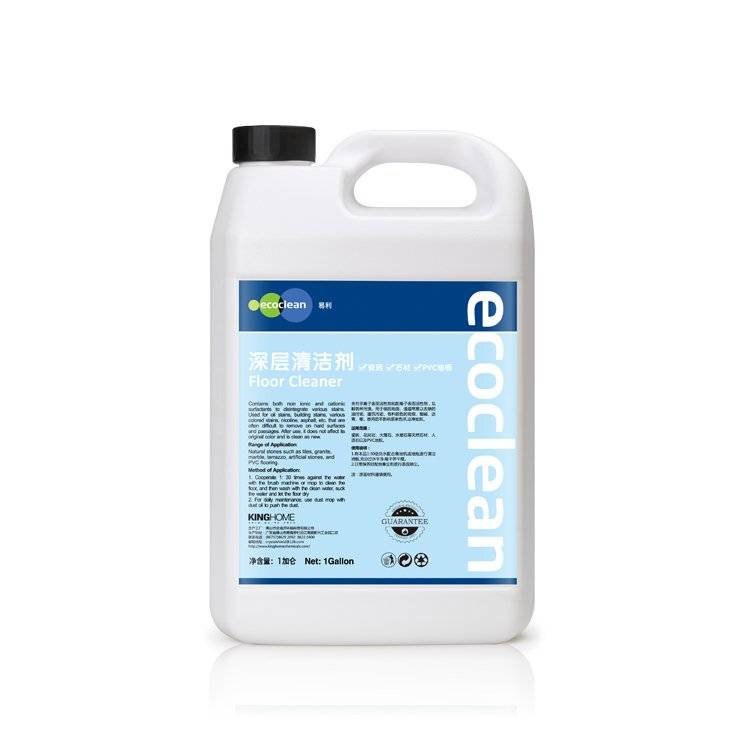
| Sticky film, soil trail, or cleaning residue | The surface may need controlled cleaning and thorough water recovery, but avoid acidic cleaner use on calcium-based marble. | Limpiador Profundo de Suelos, industrial stone floor cleaningy stone floor cleaning machines. |
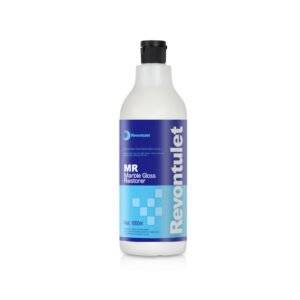
| Dull ring, vinegar mark, lemon mark, or bathroom descaler spot | This is marble etching, not dirt. More cleaner will not repair chemically dulled stone. | Restaurador de brillo para mármol MR, marble revival guidey professional marble maintenance. |
| Wide dullness or loss of reflection after heavy wear | The floor may need marble crystallization or polishing rather than another cleaning pass. | marble crystallization powder guide and a marble gloss restorer workflow. |
| Dark patches after water exposure or repeat staining | The marble may have weak protection, open pores, or a failed sealer layer. | Golden Shield y Crystal Shield stone protection. |
The safest marble floor care sequence is to identify whether the mark is residue, stain, etching, or protection failure. Use neutral pH daily cleaning for maintenance, reserve stronger cleaning for diagnosed residue, and move to gloss restoration or protection only after the marble is clean and dry.
Never clean marble with vinegar, lemon juice, acidic bathroom cleaner, bleach-heavy mixtures, abrasive powders, steel wool, or rough scrubbing pads. Marble is calcium carbonate, so acidic cleaners can etch the surface within minutes and abrasive tools can leave dull scratch patterns. Use a pH-neutral marble cleaner, soft microfiber pads, quick spill removal, and periodic sealer checks instead.
| Mistake | Why it damages marble | Safer action |
|---|---|---|
| Vinegar, lemon juice, or acidic cleaner | Etches calcium-based stone and creates dull spots. | Use pH-neutral marble cleaner. |
| Ignoring sealer wear | Lets oil, water, and organic stains absorb deeper. | Test water beading and reseal when protection weakens. |
| Abrasive pads or powders | Scratch polished marble and reduce gloss. | Use microfiber pads and non-abrasive tools. |
Marble surfaces transform spaces with timeless elegance, but one wrong cleaning decision can permanently damage these calcium carbonate-based natural stones. Thousands of homeowners discover this harsh reality after using common household cleaners like vinegar or lemon juice, only to find dull, etched spots that no amount of scrubbing will remove. The chemical reaction happens within minutes, dissolving the stone’s surface and creating irreversible damage that requires professional restoration. Understanding marble cleaning mistakes and implementing proper marble sealer maintenance protocols can save property owners from costly repairs while preserving the natural beauty of their investment. This comprehensive guide reveals the science behind marble damage, professional-grade solutions, and maintenance strategies used by commercial stone care specialists to protect high-value installations.
Marble consists primarily of calcium carbonate (CaCO₃), a crystalline structure formed through metamorphic transformation of limestone over millions of years. When acidic substances contact this calcium carbonate composition, a chemical reaction occurs that dissolves the surface minerals, creating what stone care professionals call “etching”—permanent dull spots with a rough texture that cannot be removed through simple cleaning.
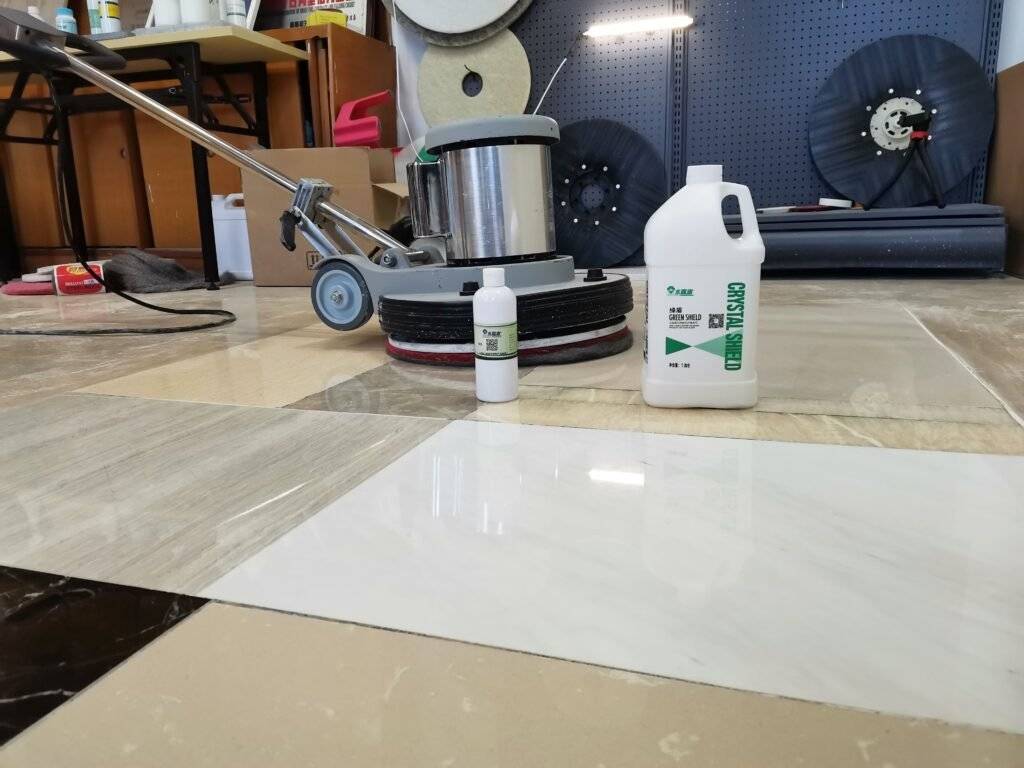
The reaction happens rapidly and irreversibly. Vinegar (acetic acid with pH 2-3), lemon juice (citric acid with pH 2), bleach (pH 11-13), and many multipurpose bathroom cleaners contain acids or harsh alkalines that strip marble’s natural finish within seconds of contact. Even brief exposure causes visible damage, as the acid dissolves calcium ions from the stone structure, leaving behind a pitted, chalky surface layer.
Consider the testimony of a homeowner who learned this lesson the hard way: “I used vinegar to clean my marble countertops and ended up with chalky white residue everywhere. After purchasing polishing compound, the problem persisted. I now understand that marble’s porous structure makes it vulnerable to acid damage, and my cleaning choice caused permanent etching that requires professional restoration.” This scenario repeats daily in homes and commercial facilities where well-intentioned maintenance staff unknowingly destroy valuable stone surfaces using inappropriate products.
The most devastating marble cleaning mistakes involve acidic cleaning products that chemically attack the stone’s calcium carbonate composition. Vinegar-based cleaners, lemon-scented formulations, bathroom descalers, and even some “all-purpose” cleaning solutions contain acids specifically designed to dissolve mineral deposits—unfortunately, marble itself is a mineral that these products cannot distinguish from soap scum or hard water stains.
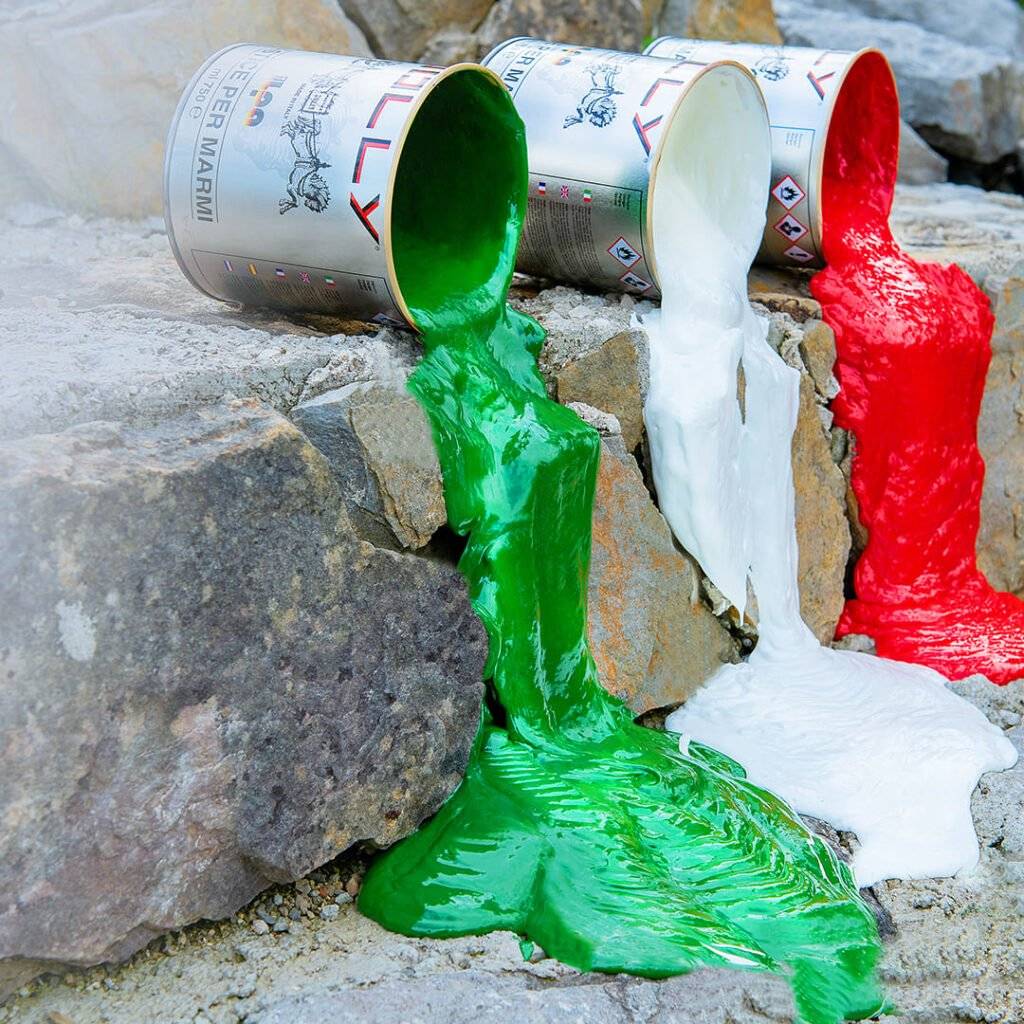
The chemistry is straightforward but destructive. When acidic cleaners with pH levels below 7 contact marble, they initiate a reaction: CaCO₃(s) + 2H⁺(aq) → Ca²⁺(aq) + CO₂(g) + H₂O(l). This equation describes how acid ions dissolve calcium carbonate, releasing calcium ions into solution while producing carbon dioxide gas and water. The visible result is a dull, etched surface where the marble’s crystalline structure has been compromised at the molecular level.
Professional alternatives exist that avoid this chemical damage entirely. A pH neutral marble cleaner formulated specifically for natural stone surfaces maintains pH levels between 7-8, using specialized surfactants that lift dirt, oils, and organic matter without chemical reactions that compromise the stone structure. These formulations employ non-ionic or amphoteric surfactants that encapsulate soil particles through physical mechanisms rather than chemical dissolution.
Product specifications matter significantly for commercial applications. Professional-grade pH neutral cleaners designed for marble, granite, and terrazzo feature carefully balanced formulations that clean effectively while protecting delicate stone surfaces. Unlike consumer-grade products that prioritize aggressive cleaning power, commercial stone care chemicals emphasize preservation, using biodegradable surfactants, controlled pH buffering systems, and rinse-free formulations that prevent residue buildup. INTERNAL: Professional stone care chemicals and pH neutral cleaners provide the performance specifications required for high-traffic commercial installations.
Marble’s inherent porosity makes sealing essential for long-term protection, yet marble sealer maintenance remains the most neglected aspect of stone care. Even dense marble varieties contain microscopic pores that absorb liquids, oils, and staining substances when left unprotected. Professional sealing schedules vary based on traffic patterns and usage intensity, but general guidelines apply across applications.
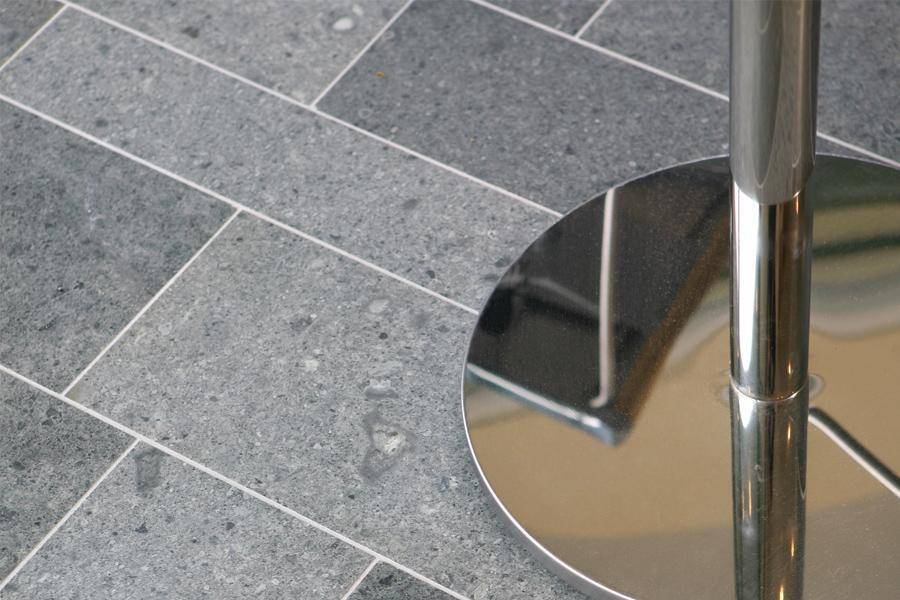
High-traffic commercial areas including hotel lobbies, restaurant floors, and retail installations require sealing every 3-6 months to maintain adequate protection against the constant exposure to spills, foot traffic, and cleaning processes. Residential countertops in kitchens and bathrooms typically need resealing every 6-12 months, depending on usage patterns and the quality of the original sealer application. Low-traffic areas such as decorative wall panels or protected furniture pieces may extend sealing intervals to 12-18 months.
The water drop test provides a simple but reliable method to determine when resealing becomes necessary. Place several drops of water on the marble surface and observe for 10 minutes. If dark spots form beneath the water droplets within this timeframe, the sealer has failed and moisture is penetrating the stone structure. Properly sealed marble will repel water droplets, causing them to bead on the surface without darkening the stone beneath.
Consequences of sealer failure extend beyond aesthetic concerns. When protective sealing breaks down, marble becomes vulnerable to deep staining from wine, coffee, oils, and acidic fruit juices that penetrate the porous structure. These substances migrate into the stone’s internal pore network, creating stains that cannot be removed through surface cleaning alone. Professional extraction using specialized poultice formulations becomes necessary, adding significant maintenance costs that proper sealer maintenance would have prevented.
Commercial-grade versus consumer-grade sealers differ fundamentally in chemistry and performance. Penetrating sealers (also called impregnating sealers) infiltrate the stone’s pore structure, chemically bonding within the substrate to create hydrophobic and oleophobic barriers that repel liquids while allowing vapor transmission. Topical sealers form surface coatings that provide stain resistance but may alter the stone’s appearance and can wear away in high-traffic areas. Professional stone care applications favor penetrating sealers for their durability, breathability, and natural appearance preservation.
Marble’s position on the Mohs hardness scale—rating only 3 to 4 out of 10—reveals its vulnerability to physical damage from abrasive scrubbing tools and techniques. For context, this hardness measurement means marble can be scratched by any material harder than calcite (the reference mineral for Mohs 3), including steel, quartz sand, and many common cleaning implements.
Steel wool, scouring pads, abrasive sponges, and even rough cleaning cloths cause microscopic scratches that accumulate over time, creating a dull, hazy appearance on marble surfaces. These scratches cannot be removed through cleaning alone; they require professional polishing to restore the stone’s reflective finish. Equally damaging are gritty particles—sand, dirt, and construction dust—that act as abrasive agents when dragged across marble during cleaning or foot traffic.
Recommended tools for daily marble maintenance include microfiber cloths with soft, non-abrasive fibers that lift dirt without scratching, soft-bristle mops designed specifically for delicate flooring, and non-abrasive cleaning pads rated safe for natural stone surfaces. These tools clean effectively when paired with appropriate pH neutral cleaners, removing soil and maintaining appearance without compromising the stone’s polished finish.
Prevention strategies prove more effective than remediation for abrasive damage. Doormat placement at all entrances captures sand and grit before it reaches marble flooring, reducing abrasive wear by up to 80% according to commercial facility management studies. Regular dry mopping or dust-mopping removes loose particles before wet cleaning, preventing the transformation of harmless dust into abrasive slurry during mopping. For commercial installations, fregadoras de suelos de alta presión with specialized soft-brush attachments provide thorough cleaning while protecting delicate stone surfaces.
Understanding how to remove stains from marble requires identifying stain types and matching appropriate removal techniques to each category. Professional stone restoration specialists classify marble stains into distinct categories based on their chemical composition and penetration depth, each requiring specific treatment protocols.
Organic stains from coffee, wine, tea, fruit juice, and food products respond to oxidation-based poultice treatments. The professional method combines hydrogen peroxide (3-12% concentration) with a few drops of ammonia, creating an oxidizing solution that breaks down organic compounds. Mix this solution with an absorbent powder—diatomaceous earth, talc, or commercial poultice powder—to form a thick paste with peanut butter consistency. Apply this poultice in a quarter-inch layer over the stain, extending beyond the stain perimeter by two inches. Cover with plastic wrap and tape the edges to prevent premature drying, then allow 24-48 hours for the oxidizing solution to penetrate the stone and draw staining compounds to the surface. Remove the dried poultice, rinse thoroughly, and assess results. Stubborn stains may require repeated applications.
Oil-based stains from cooking oils, grease, cosmetics, and petroleum products demand different chemistry. Baking soda paste—specifically for grease removal, not general cleaning—provides effective treatment for surface-level oil stains. Create a thick paste using baking soda and water, apply over the stain, cover with plastic wrap, and allow 24 hours for the alkaline compound to emulsify oils. This method works for fresh stains but proves less effective for aged oil penetration. For deep-set oil stains, professional-grade solvent-based poultices containing acetone or mineral spirits provide superior extraction capabilities.
Water stains and rings present a unique challenge because they result from mineral deposits rather than absorbed substances. These white or light-colored marks respond to gentle buffing with approved marble polishing compounds applied via soft buffing pads. The technique removes the thin layer of mineral deposits without aggressive abrasion that could damage surrounding areas. Circular motion with light pressure gradually eliminates water rings while maintaining the stone’s polish.
When DIY methods fail, professional intervention becomes necessary. Certified stone restoration technicians employ advanced poultice formulations tailored to specific stain chemistries, use specialized extraction equipment including heated poultice systems that enhance penetration, and assess whether staining has compromised the stone structure to the point where surface replacement becomes more cost-effective than continued restoration attempts. Floor deep cleaning solutions provide technical specifications for commercial-grade extraction processes.
Distinguishing between etching and staining forms the foundation of effective marble etching repair. Etching appears as dull spots with a slightly rough or chalky texture, caused by acid dissolution of the marble surface. The affected area feels different to the touch—less smooth than surrounding stone—and appears lighter or hazier regardless of lighting conditions. Staining, conversely, manifests as dark discoloration without texture changes, where absorbed substances penetrate pores but leave the surface structure intact.
Mild etching repair addresses surface-level damage using marble polishing powder (also called etch remover or marble refinishing compound) combined with specific buffing techniques. These products contain fine abrasive particles—typically calcite or other minerals softer than marble—suspended in a carrier solution. Application method determines success: apply powder to the etched area, add a few drops of water to create a paste, then use a low-speed buffing pad (operating at 175-300 RPM) with circular overlapping motions. The fine abrasives gradually remove the damaged surface layer, exposing fresh, undamaged marble beneath. Multiple applications may be necessary for deeper etches, with each pass removing approximately 0.5-1 micron of surface material.
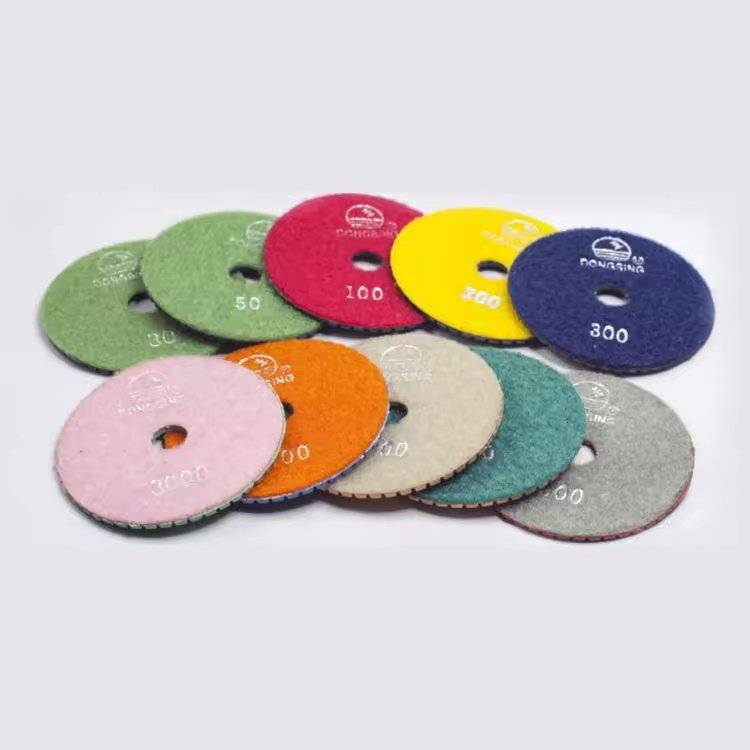
Severe etching requires professional-grade restoration using diamond abrasive pads in progressive grit sequences. This systematic approach mirrors the processes used for new marble installation finishing. Professional technicians begin with coarse grits (50-100 grit metal-bond diamonds) to remove deep damage and establish a uniform surface plane. The progression continues through 200, 400, 800, 1500, and 3000 grit resin-bond diamond pads, with each step removing scratches from the previous grit while progressively closing the stone’s pore structure.
The complete restoration process involves four distinct phases: grinding (removing damaged surface material with coarse diamonds), honing (creating a smooth, scratch-free surface through progressive fine diamonds), polishing (developing the stone’s natural reflectivity using increasingly fine abrasives), and resealing (protecting the restored surface with penetrating sealers). This multi-phase approach restores factory-finish appearance to severely damaged marble, effectively erasing years of accumulated etching, scratching, and wear.
Cost-benefit analysis helps determine when DIY repair attempts make sense versus hiring certified stone restoration professionals. Minor surface etches covering small areas (less than 1 square foot) with shallow damage depth (visible only under direct lighting) represent good candidates for DIY polishing compound treatment, with material costs of $20-50 and 1-2 hours labor. Moderate etching across larger areas (5-20 square feet) or multiple isolated spots throughout a space typically costs $5-15 per square foot for professional restoration—often more cost-effective than purchasing equipment and materials for DIY attempts. Severe damage covering extensive areas, deep etching requiring grinding, or damage to high-value installations in commercial settings always warrant professional intervention, where expertise, specialized equipment, and performance guarantees justify service costs of $15-30 per square foot.
Implementing systematic marble sealer maintenance protocols ensures long-term surface protection while minimizing restoration requirements. Professional facility management teams and commercial property managers utilize structured maintenance schedules that address daily, weekly, quarterly, and annual care requirements.
Daily maintenance forms the foundation of marble preservation. The protocol begins with dust mopping or dry sweeping to remove abrasive particles, followed by damp mopping using pH neutral cleaner spray diluted according to manufacturer specifications (typically 1-2 ounces per gallon of water for routine cleaning). Microfiber cloth wipe-down completes the daily routine, removing fingerprints, water spots, and light soiling before they can etch or stain the surface. This simple 5-10 minute daily routine prevents 90% of the damage that accumulates on neglected marble installations.
Weekly deep cleaning escalates intensity while maintaining surface protection. Proper dilution ratios become critical—commercial stone care chemicals specify mixing ratios based on soil levels and application methods. Light soil conditions may require only 1 ounce of cleaner per gallon of water, while heavy soil buildup in commercial kitchens or high-traffic areas might demand 4-6 ounces per gallon. Automated scrubbing equipment provides consistent pressure and coverage for large commercial installations, using specialized soft-brush attachments that clean thoroughly without mechanical abrasion.
Quarterly inspection schedules catch developing problems before they escalate into costly restoration projects. Facility managers should systematically assess sealer integrity using the water drop test in multiple locations, examine high-traffic areas for early-stage etching that appears as slight haziness or loss of reflectivity, identify isolated damage requiring spot treatment, and document changes through photographs that establish maintenance baselines and track deterioration rates.
Annual professional maintenance completes the comprehensive care protocol. Certified stone care technicians perform deep cleaning using specialized extraction equipment, assess whether refinishing or restoration is needed based on surface condition, apply protective coatings or sealers to refresh protection systems, and provide detailed condition reports that inform long-term maintenance planning and capital replacement forecasting.
Product recommendations for comprehensive marble care programs include penetrating sealers with 10-year durability ratings for low-traffic areas and 3-5 year performance in commercial applications, pH neutral daily cleaners formulated specifically for calcium carbonate-based stones, specialized etch removers for addressing isolated acid damage, and progressive polishing compounds ranging from aggressive etch removal formulations to final finishing products that enhance reflectivity. Blue Shield protective sealers provide commercial-grade protection systems designed for demanding hospitality and commercial real estate applications.
Marble’s natural beauty and timeless elegance make it a preferred choice for high-end installations, but its chemical composition demands informed care protocols that prevent the five fatal cleaning mistakes detailed above. Understanding that marble consists of acid-sensitive calcium carbonate, maintaining pH neutral cleaning practices, implementing systematic marble sealer maintenance schedules, avoiding abrasive tools and techniques, and knowing professional-grade stain removal and marble etching repair methods distinguish successful long-term marble ownership from costly restoration projects.
The investment in proper marble care—both in terms of appropriate products and consistent maintenance protocols—pays substantial dividends through preserved appearance, extended surface life, and avoided restoration costs. For commercial property managers, hotel facility teams, and stone installation professionals, implementing these professional-grade care protocols protects high-value investments while maintaining the aesthetic standards that marble installations demand. Homeowners who understand these principles can enjoy marble’s beauty without the disappointment of preventable damage.
Whether addressing existing damage or implementing preventive maintenance, partnering with professional stone care specialists who understand calcium carbonate chemistry, pH balance requirements, and systematic restoration processes ensures optimal outcomes. The difference between amateur attempts and professional results often comes down to chemistry knowledge, proper product selection, and technique precision that only specialized training provides.
No, vinegar should never be used on marble surfaces. Vinegar is highly acidic (pH 2-3) and will permanently etch marble by dissolving the calcium carbonate that forms the stone’s structure. This chemical reaction happens within minutes and creates dull, chalky spots that cannot be removed through cleaning. Always use pH neutral marble cleaners specifically formulated for natural stone surfaces, which maintain pH levels between 7-8 and clean without causing chemical damage.
Sealing frequency depends on traffic levels and exposure conditions. High-traffic commercial areas including hotel lobbies, restaurant floors, and retail spaces need resealing every 3-6 months to maintain protection against constant spills and wear. Residential marble countertops in kitchens and bathrooms typically require sealing every 6-12 months. Perform the water drop test every 6 months to check sealer effectiveness—if water darkens the stone within 10 minutes, resealing is needed regardless of the time since last application.
Mild etching can be repaired using marble polishing powder combined with low-speed buffing techniques. Apply the powder to the etched area, add water to create a paste, and use a buffing pad at 175-300 RPM with circular motions to gradually remove the damaged surface layer. Severe etching requires professional restoration using diamond abrasive pads in progressive grits (starting at 50-100 grit and advancing through 200, 400, 800, 1500, and 3000 grit), followed by repolishing and resealing to restore the original finish.
Professional marble cleaners should maintain pH levels between 7-8 (neutral to slightly alkaline). Anything below pH 7 is acidic and will cause etching damage to marble’s calcium carbonate composition. Products with pH above 10 may leave residue, create hazy buildup, or dull the surface finish over time. The narrow pH range of 7-8 provides effective cleaning through specialized surfactants while protecting the stone’s chemical integrity and maintaining its natural polish.
Create an oxidizing poultice by mixing hydrogen peroxide (3-12% concentration) with a few drops of ammonia and an absorbent powder like diatomaceous earth or talc to form a thick paste. Apply a quarter-inch layer over the stain, extending two inches beyond the stain perimeter. Cover with plastic wrap and tape the edges, then allow 24-48 hours for the solution to penetrate and oxidize the organic staining compounds. Remove the dried poultice, rinse thoroughly, and repeat if necessary. For stubborn deep-set stains, professional extraction methods using specialized poultice formulations and heated application systems may be necessary.
Baking soda can be mildly abrasive and may cause microscopic scratches with repeated use or aggressive scrubbing. It should only be used as a paste for specific oil-based stain removal applications, not for general marble cleaning. The alkaline nature (pH 8-9) is less damaging than acidic cleaners, but the physical abrasiveness poses scratch risks to marble’s relatively soft surface (Mohs hardness 3-4). pH neutral cleaners formulated specifically for natural stone provide safer alternatives for routine maintenance that clean effectively without abrasion or chemical reaction risks.
 Spanish
  English