BIENVENIDO A KINGHOME
Obtenga un presupuesto gratuito
Le responderemos en un plazo de 8 horas

BIENVENIDO A KINGHOME
Le responderemos en un plazo de 8 horas
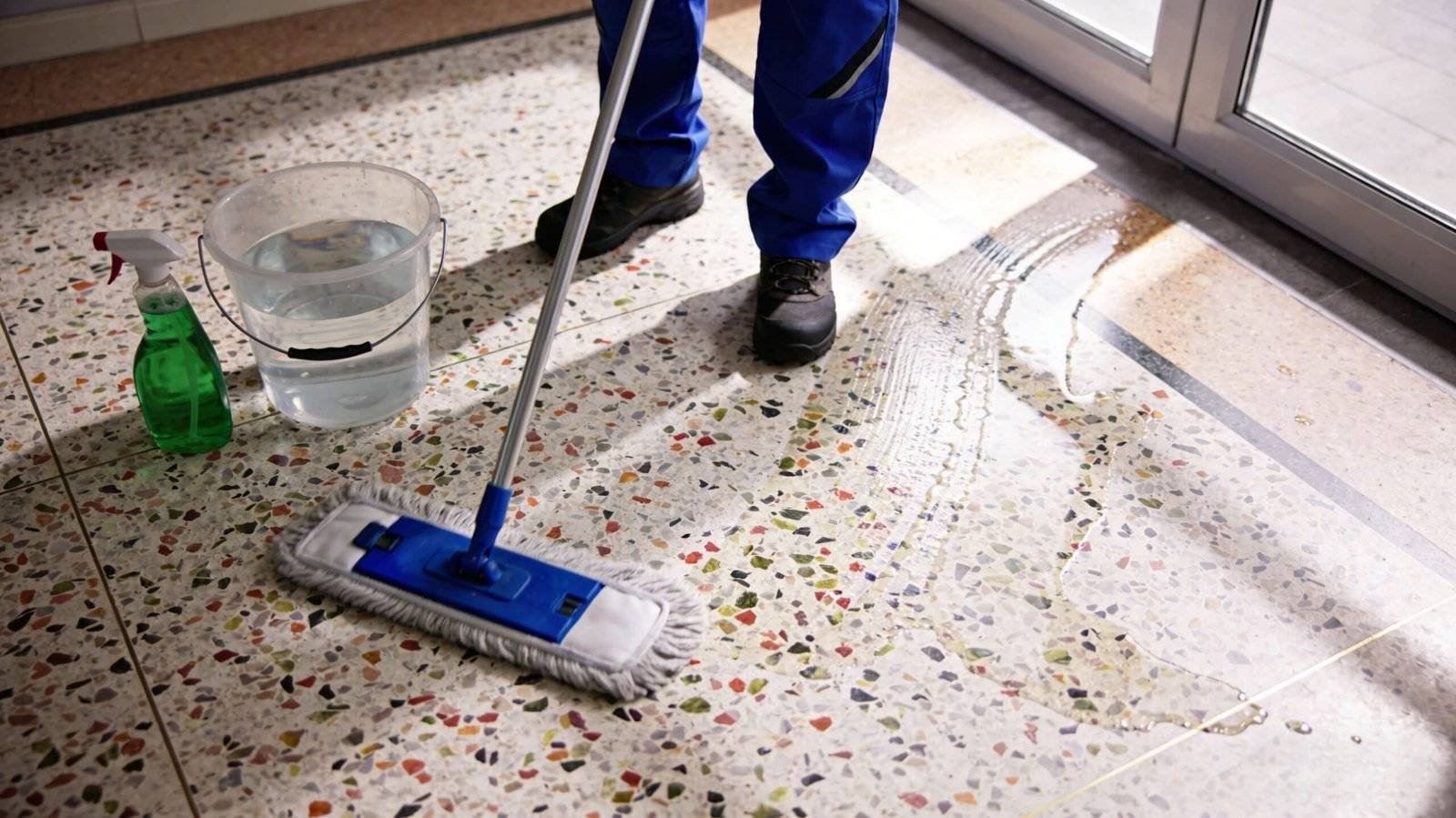
Choose a stone floor cleaning machine by the stone, finish and soil before comparing brands. For routine marble or limestone care, use a compatible soft pad or brush, controlled water recovery and a pH-neutral stone-safe cleaner. For granite and terrazzo, confirm the sealer and test the pad and cleaner on a small area. Grinding or crystallization is a separate restoration task, not a setting for daily scrubber cleaning.
Choose routine cleaning equipment by stone type, surface finish, soil, access and recovery requirements. Marble and limestone need acid-safe chemistry; granite and terrazzo still require checks of the sealer, grout and finish. Treat grinding, polishing and crystallization as separate restoration processes.
| Stone floor need | Machine priority | Best match |
|---|---|---|
| Daily marble lobby cleaning | Low pressure, controlled solution flow, non-acid cleaner | Walk-behind scrubber with soft pad or brush |
| Granite or terrazzo maintenance | Higher productivity and durable pad system | Commercial auto scrubber or multi-function floor machine |
| Restoration or gloss recovery | RPM control, pad compatibility, and stone-safe chemistry | Stone polishing or crystallization machine |
| Large facility cleaning | Tank capacity, battery runtime, working width, and service access | Ride-on or wide-area floor cleaning machine |
For machine comparison, also review industrial floor polishing machines and the floor grinder vs concrete polisher guide.
Before requesting a quote, record the floor area, access width, stone and finish, soil type, cleaning frequency, nearby power and water access, and recovery requirements. Use these details to compare a walk-behind scrubber, a larger ride-on unit or a separate restoration machine.
Machine features matter only when they fit the installed stone and route. Compare the exact contact motion, pressure control, solution delivery, recovery method, approved accessories and service support for each shortlisted model.
Specify a stone floor cleaning machine around the surface risk first. Granite, terrazzo, marble, travertine and commercial tile can require different brush stiffness, pad pressure, cleaner chemistry and water recovery. Match the machine package to the installed finish and maintenance task.
| Cleaning requirement | Machine or accessory direction | Selection check |
|---|---|---|
| Stone floor cleaning machine | Low-speed single-disc machine or auto scrubber with stone-safe pads | Confirm pad pressure, water recovery, cleaner pH, and whether the floor is polished, honed, or textured. |
| Granite floor cleaning machine | Scrubber or floor cleaning machine with non-aggressive pads and controlled rinse | Protect sealer performance and avoid residue that causes haze on polished granite or terrazzo. |
| Tennant or Karcher floor scrubber | Brand-compatible scrubber platform with correct brush deck, clutch, and tank capacity | Check replacement brush fit, machine width, battery runtime, and parts support before buying accessories. |
| Floor scrubber replacement brushes | Nylon, polypropylene, abrasive, or soft bristle brushes selected by floor type | Use softer brushes for polished stone and more aggressive brushes only after testing textured tile, grout, or outdoor surfaces. |
For commercial stone floors, a cleaning machine is only one part of the system. The safer package includes the correct brush or pad, low-foam stone cleaner, recovery method, operator pace, and a plan for polishing or crystallization when cleaning no longer restores gloss. If a floor shows etching, scratches, traffic-lane dullness, or sealer failure, solve those conditions before asking a scrubber to do restoration work.
Rutas de planificación relacionadas: comparar granite and terrazzo floor cleaning machines, review floor scrubber brush selectiony utilice industrial stone floor cleaning guidance when chemistry, machine choice, and water recovery need to be planned together.
Separate the facility need from the brand name when shortlisting stone floor cleaning machines. Compare route size, surface finish, brush fit, water recovery, parts availability and the daily maintenance workflow.

| Facility need | Machine direction | Ruta de producto o guía |
|---|---|---|
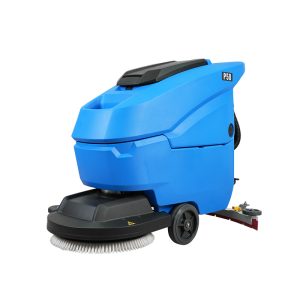
| Stone floor cleaner machine for daily commercial routes | Choose a walk-behind scrubber dryer with controlled pressure, low-foam cleaner compatibility, and reliable water recovery. | P50 Walk-behind Scrubber Dryer y industrial stone floor cleaning. |
| Tennant floor scrubber comparison or replacement planning | Check tank size, battery runtime, brush deck, squeegee recovery, and whether replacement brush supply is clear. | Tennant T300 y floor scrubber brush selection. |
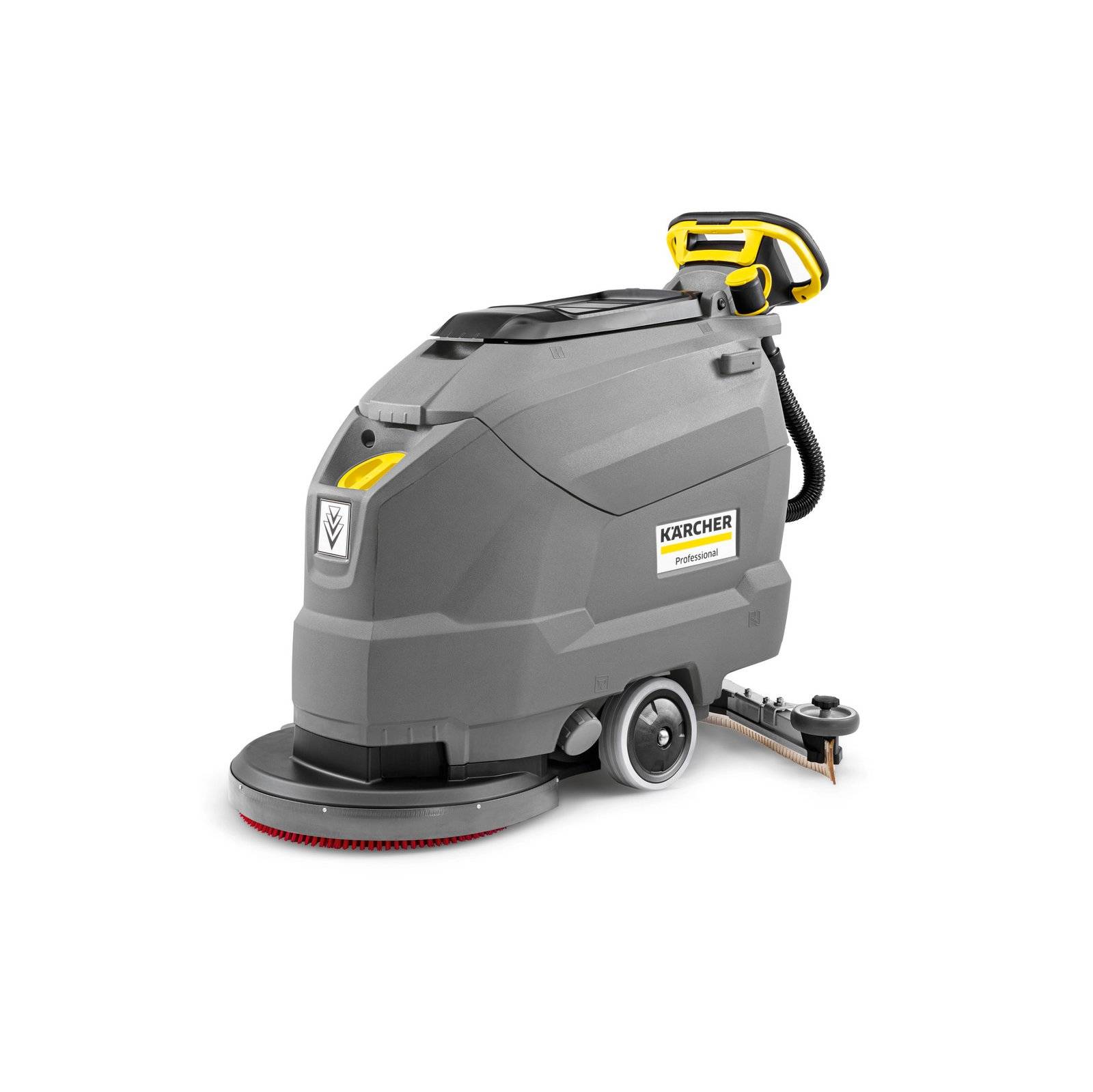
| Karcher floor scrubber for compact commercial cleaning | Use a compact scrubber dryer when route size, turning radius, drying speed, and operator handling matter more than ride-on productivity. | Karcher BD 50/50 C y floor scrubber vs buffer. |
| Granite, terrazzo, marble, or mixed stone surfaces | Match brush stiffness, pad pressure, pH, and recovery method to the specific stone before scaling to the full facility. | granite and terrazzo floor cleaning machines y professional marble maintenance. |
The safest selection path is to define the surface and cleaning route first, then choose the machine, brush or pad, cleaner, and recovery plan. A stone floor scrubber machine should remove soil without creating haze, scratches, residue, or excess water in joints and pores.
Stone floors can be maintained with several types of scrubber, brush and pad systems. The appropriate equipment depends on the stone, finish, soil and whether the task is routine cleaning or restoration.
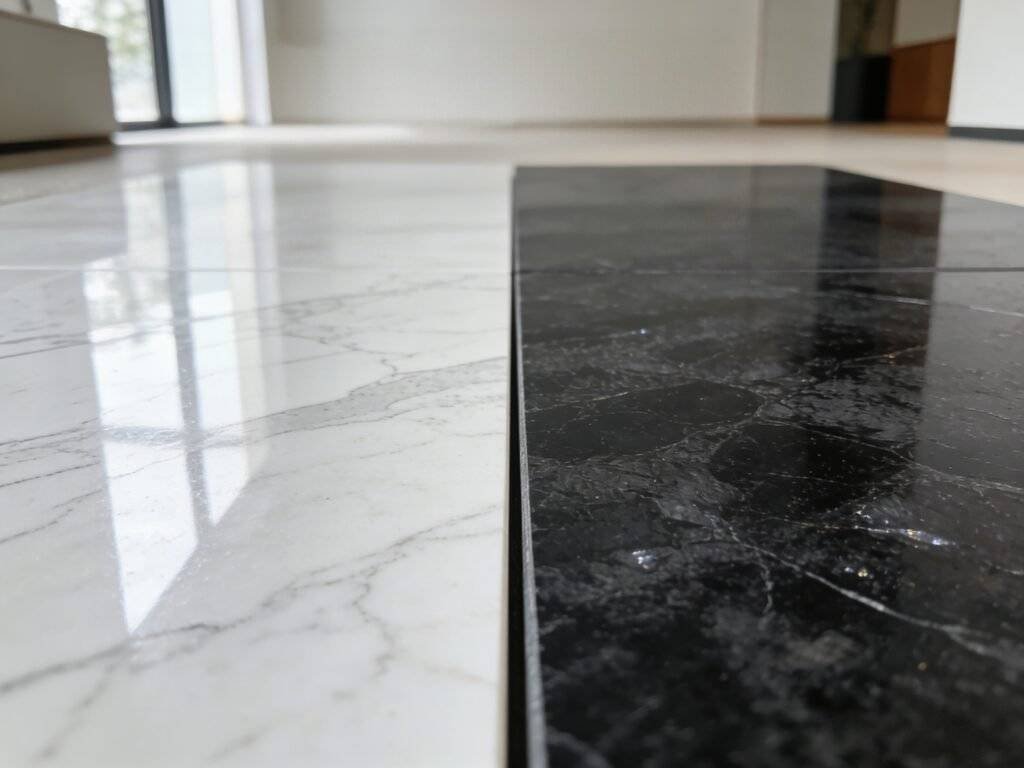
For routine cleaning, compare the contact method, solution delivery and water recovery of the specific machine. Orbital, rotary and cylindrical systems behave differently; none is automatically scratch-proof. Follow the equipment and pad instructions and test on the actual floor before full use.
A pressure washer and an auto scrubber use different pressure measures. Do not transfer a pressure-washer PSI rating to a floor scrubber’s brush down-pressure setting. On polished stone, select a compatible pad or brush, low initial down-pressure and controlled solution delivery; confirm the stone and sealer remain intact after a test pass.
Solution-flow control can help match liquid delivery to the route, but it does not prove chemical or stone compatibility. Set dilution and dwell time from the cleaner instructions, use the machine’s approved flow settings, recover the solution before it dries and inspect a test area for residue or finish change.
A stone cleaning machine should be selected around the floor finish and recovery method, not just around the machine category. Marble, granite, terrazzo, and textured stone can require different pad pressure, brush material, slurry control, and cleaner chemistry even when the search query is simply stone cleaning machine.
| Site condition | Machine direction | Chemical and accessory check | Risk if ignored |
|---|---|---|---|
| Polished marble or terrazzo with daily soil | Use controlled scrubbing, soft pads or suitable brushes, and recovery that avoids standing water. | pH-safe cleaner, non-scratch pads, squeegee condition, and clean rinse water. | Etching, swirl marks, dull traffic lanes, or residue that attracts soil. |
| Textured stone, grout lines, or uneven surfaces | Consider brush agitation and recovery strength instead of relying only on flat pads. | Bristle stiffness, grout-safe chemistry, dwell time, and edge detail tools. | Soil remains in low areas while the visible high points look clean. |
| Restoration prep before polishing or crystallization | Separate cleaning equipment from grinding, honing, and polishing equipment when scratch removal is required. | Diamond tooling, slurry handling, densifier or crystallization plan, and test area. | A cleaner machine is asked to solve damage that needs a restoration workflow. |
| Commercial building with limited downtime | Prioritize recovery efficiency, tank capacity, machine width, and operator repeatability. | Power access, elevator limits, noise window, after-hours schedule, and water disposal. | Cleaning results may be acceptable, but labor and reopening time miss the facility requirement. |
Before quoting, collect the stone type, finish level, soil source, traffic pattern, available water and power, lift or doorway limits, and whether the work is daily cleaning or restoration preparation. If the issue is brush selection, compare the floor scrubber brush selection guide; if the issue is machine category, review floor scrubber vs buffer y industrial floor polishing machines.
El mantenimiento de suelos comerciales de piedra exige diversos tipos de equipos, cada uno diseñado para aplicaciones específicas, variedades de piedra y requisitos de las instalaciones. Comprender estas diferencias permite a los gestores de las instalaciones y a los contratistas seleccionar máquinas que optimicen tanto la eficacia de la limpieza como la eficiencia operativa.
Walk-behind scrubbers can suit commercial stone routes where maneuverability and controlled recovery matter. Product specifications vary by model and configuration, so verify cleaning width, tank capacity, runtime, sound level and brush pressure against the manufacturer’s current documentation before comparing machines.
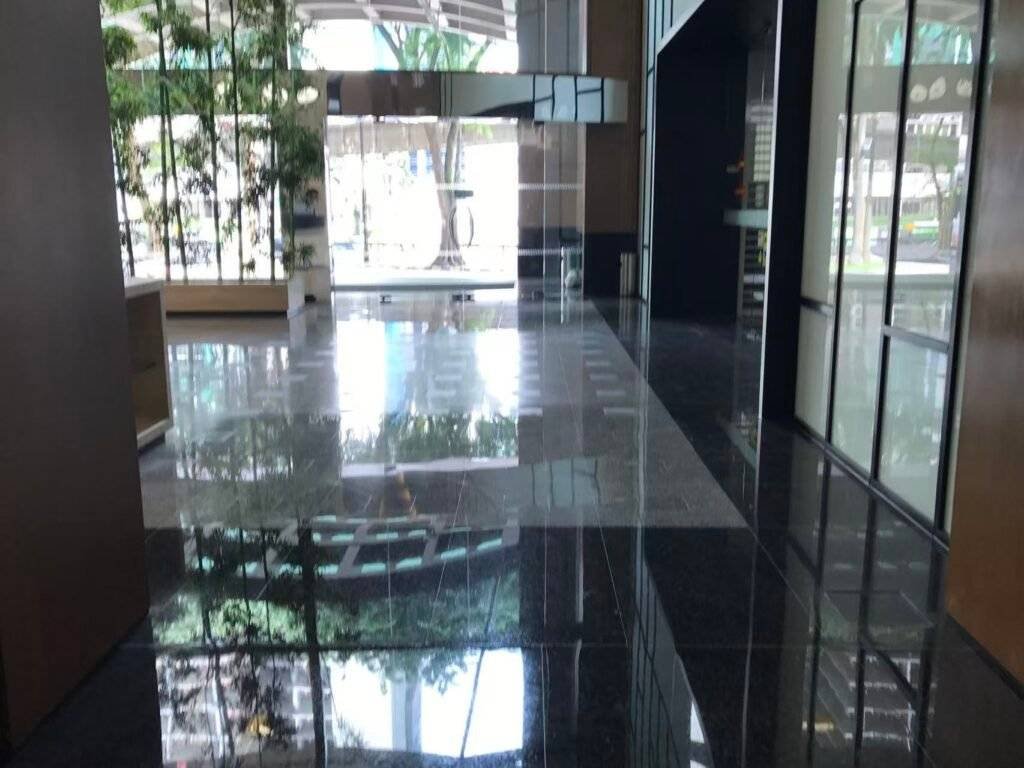
Orbital and oscillating scrubbers offer a different contact motion from rotary machines. Check the exact head shape, accessory grade and manufacturer’s permitted applications. Grit, a worn pad or incompatible chemistry can still scratch or dull stone, regardless of head motion.
A scrubber removes soil with a suitable cleaner and agitation, usually followed by wet recovery. A polishing or buffing process targets appearance with specific pads or tooling. Use the machine and accessory manufacturer’s speed instructions; a general RPM band does not establish suitability for every stone.
Cylindrical brushes may suit textured stone when the bristles reach soil in recesses. Check brush material, machine fit and recovery on a test area. Do not transfer a pressure value from one machine or stone finish to another.
Match the machine and accessory to the stone and finish. Do not assume granite is non-porous or that it tolerates aggressive pressure: sealer, grout, polish and existing damage can change the cleaning risk. Test the selected brush or pad and cleaner on an inconspicuous area.

Marble and travertine are acid-sensitive. Choose a cleaner specifically approved for the stone and finish, and follow its label and the flooring manufacturer’s guidance rather than relying on one pH range. Use a compatible pad or brush, controlled solution flow and a test area to check for dulling or residue.
Terrazzo includes both aggregate and a binder that may be cement or resin. Confirm the installed system and finish before choosing a cleaner and accessory. Follow the terrazzo supplier’s maintenance instructions and test for dulling, residue and joint damage.
Honed and polished finishes may need different accessories, but finish alone does not determine a safe speed or pressure. Specify routine cleaning separately from gloss restoration and verify the proposed process on the installed surface.
When stronger chemistry is proposed, verify two separate conditions: the cleaner must be approved for the stone, finish, grout and sealer, and the machine supplier must confirm compatibility of the tank, pump, hoses, seals and recovery system at the working dilution and temperature. Test the complete process before full-area use.
Para seleccionar la mejor máquina de limpieza de suelos de piedra es necesario evaluar características específicas que repercuten directamente en la eficacia de la limpieza, la eficiencia operativa y la conservación de la superficie a largo plazo. Estas características diferencian los equipos de mantenimiento de piedra de calidad profesional de las fregadoras de suelos de uso general.
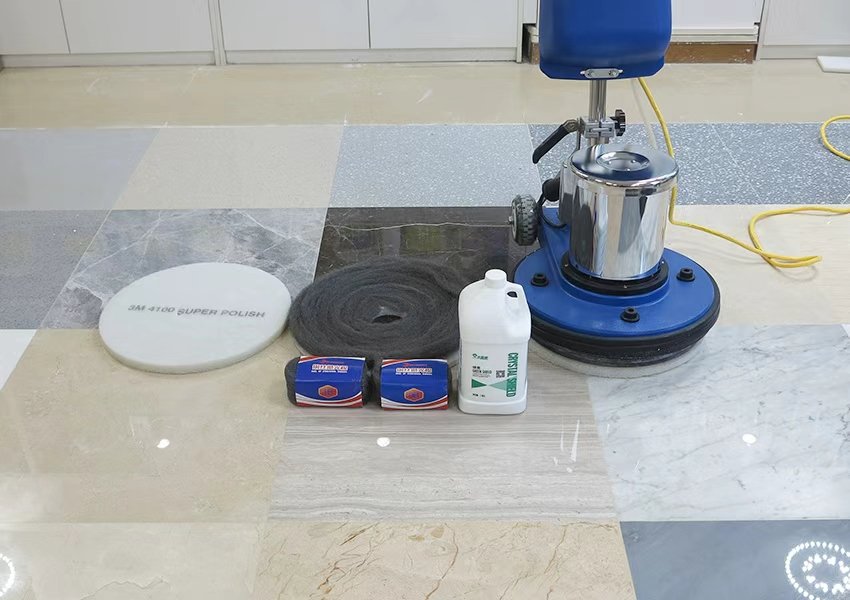
Separate solution and recovery tanks help keep recovered soil out of the clean solution. Compare their usable capacities, fill and drain access, squeegee recovery, and how often the route will require refilling or emptying. Confirm capacities in the specific model’s current specification sheet.
Speed controls are useful only when they match the intended brush, pad and task. Check the machine manual for approved operating speeds and accessories; do not infer a safe setting for a particular stone from a general RPM range.
If a model uses a floating or articulated head, confirm its permitted floor profile, pressure range, accessory fit and edge behavior in the current specification. Demonstrate contact and recovery on the actual floor; head movement alone does not prevent scratching, gouging or missed low areas.
Compare motor rating together with the drive design, approved brush or pad, operating speed, duty cycle, thermal protection and service requirements for the exact model. Do not use one wattage threshold as proof that a machine can handle kitchen degreasing, stone restoration or continuous operation.
For quick-change systems, verify the driver or clutch, accessory diameter, approved speed, retention method and change procedure for the exact machine. Use the accessory manufacturer’s grade and application chart; color names do not establish a universal abrasion level or stone application.
Solution-flow control can help limit excess moisture and match application to the cleaning task. Use the cleaner label and machine manual for dilution and flow settings. Test the complete setup on a small area, especially on porous stone, open joints or floors with uncertain sealer condition.
La sinergia entre los equipos mecánicos y los productos químicos profesionales para el cuidado de la piedra determina la eficacia de la limpieza y la conservación de la superficie a largo plazo más que cualquier característica individual del equipo. Una máquina limpiadora de suelos de piedra sirve como sistema de suministro de fórmulas especializadas diseñadas para respetar las vulnerabilidades químicas únicas de la piedra y, al mismo tiempo, eliminar la suciedad más resistente.
For routine care of acid-sensitive stone, use a cleaner whose label explicitly approves it for the stone and finish. “Neutral” alone does not establish compatibility with every sealer, grout or machine; follow dilution directions and test before broad application.
Use the chemical manufacturer’s stated dilution for the specific soil and machine application. Do not apply a generic capful or dilution ratio across products; concentration, dosing equipment and floor conditions differ.
For grease or other difficult soil, identify the contaminant before increasing chemical strength. Confirm the cleaner against the stone system and confirm the working formulation against the machine components. Follow the stated dilution, temperature, dwell, rinse and recovery steps rather than assuming every food-service floor requires the same degreaser.
Compare on-board metering and pre-mixing by the approved chemicals, concentration range, calibration, flushing procedure and operator controls. Either method can produce dosing errors if the wrong product, setting or measuring process is used; follow both the cleaner and machine instructions.
Follow the cleaner label for dwell time and do not let solution dry on the floor. The appropriate dwell time depends on the product, soil and surface. Mechanical scrubbing and recovery should follow the machine instructions and be tested on the installed finish.
Comprender los requisitos específicos de cada aplicación permite a los gestores de las instalaciones seleccionar máquinas limpiadoras de piedra que se ajustan a las exigencias operativas de diversos entornos comerciales. Cada entorno presenta retos únicos que requieren características de los equipos y protocolos de limpieza adaptados.
Hotel and hospitality floors often need quiet operation, careful water recovery and access around furniture. Compare the sound level and operating limits listed for the specific model, then assess maneuverability, drying and cleaning results in the actual route.
For large retail or commercial routes, compare the cleanable path, aisle and lift limits, turning space, refill and drain points, runtime, recovery performance and required edge work. Validate the manufacturer’s rated productivity on a representative route; tank capacity alone does not determine whether a ride-on or walk-behind machine is faster on site.
In healthcare and institutional settings, follow the facility’s approved cleaning and infection-control procedure. A floor scrubber’s tank arrangement or pressure does not establish disinfection. Confirm the product label, required contact time, floor compatibility and machine instructions for the intended procedure.
Restaurant and food-service areas may combine grease, food soil, open joints and frequent wet cleaning. Confirm the stone and sealer, identify the soil, select approved chemistry and accessories, and verify pickup and residue after a test. Slip performance and stain risk require separate site assessment; they cannot be inferred from brush pressure or a degreaser label.
Installation cleaning and restoration preparation are separate scopes. Use máquinas limpiadoras de suelos de piedra only for approved residue-removal work, and use grinding equipment only when the project specification calls for material removal or profiling. Identify grout haze, adhesive, coating and protection residues before selecting tooling or chemistry, then approve a test area.
Comprender la diferencia entre las aplicaciones de fregadoras y pulidoras evita el uso incorrecto de los equipos, que daña los suelos de piedra o produce resultados inadecuados. Las fregadoras y los tampones sirven para distintas fases de mantenimiento, cada una optimizada para unos resultados específicos.
Las fregadoras de extracción en húmedo eliminan la suciedad incrustada mediante la acción mecánica combinada con la aplicación de soluciones, lo que las hace esenciales para el mantenimiento de la limpieza periódica. Sus cepillos o almohadillas giratorias agitan las superficies de piedra al tiempo que aplican productos químicos de limpieza de pH neutro que disuelven y suspenden la suciedad. A continuación, el sistema de rasquetas extrae la solución sucia, dejando los suelos limpios y relativamente secos. Este proceso aborda la suciedad del tráfico diario, los derrames de alimentos y la acumulación de materia orgánica.
Las pulidoras funcionan en suelos secos o mínimamente humedecidos, mediante rotación a alta velocidad con almohadillas de pulido para realzar el brillo de la superficie sin una acción de limpieza agresiva. Para el mantenimiento de la piedra pulida entre ciclos de limpieza a fondo, el pulido desarrolla un brillo reflectante y elimina pequeñas marcas de desgaste. Sin embargo, las pulidoras no pueden eliminar la suciedad incrustada, ya que si se intenta hacerlo, simplemente se tritura la superficie de la piedra y se producen arañazos irreversibles. La comparación entre fregadoras de suelos y máquinas de limpieza revela que la mayor parte del mantenimiento de la piedra comercial requiere fregadoras específicas para la limpieza regular con un pulido ocasional para mejorar el aspecto.
Las aplicaciones de máquinas de desbaste medio se producen durante la restauración de la piedra antes de aplicar el pulido final con equipos de limpieza. Estas amoladoras especializadas cuentan con abrasivos de diamante que nivelan superficies irregulares, eliminan arañazos profundos y preparan la piedra para el repulido. Después de que el desbastado establezca el perfil de superficie deseado, las máquinas de limpieza eliminan los residuos del desbastado antes de aplicar selladores y compuestos de pulido. Confundir estas distintas fases de restauración lleva a una mala aplicación de los equipos: utilizar fregadoras para tareas que requieren amoladoras o intentar pulir con equipos de limpieza que carecen de las combinaciones adecuadas de velocidad y almohadillas.
Automated scrubbers may suit repeatable routes, but compare mapping limits, obstacle handling, edge coverage, refill and recovery work, supervision, service support and manual touch-up. Measure the complete route before estimating labor or consistency benefits.
Proper operation and maintenance can support cleaning consistency, equipment service life and surface-risk control. Build the procedure from the installed stone, selected accessories, cleaner instructions and exact machine manual.
Remove loose abrasive debris before machine cleaning so grit is not trapped under a brush or pad. Set sweeping or dust-mopping frequency from entrance soil, traffic and inspection results, and include matting and edge areas in the soil-control plan.
Use the accessory manufacturer’s application chart for the exact pad or brush. Color names do not establish a universal abrasion grade across brands. Test on the stone and finish before use and remove loose grit that could scratch the surface.
Dilute the cleaner according to its label for the intended machine and soil; there is no universal stone-cleaner ratio. After use, empty and rinse tanks as the machine manual directs, and avoid mixing residual chemicals when changing products.
Train operators on the exact machine’s speed, overlap, turning, solution-flow, pressure and recovery controls. Verify the result on the installed finish and document the approved route; do not use one overlap percentage or travel speed across different machines and floor conditions.
Create the maintenance schedule from the exact machine manual and warranty terms. Record the required checks for tanks, squeegees, hoses, filters, brushes or pads, batteries, chargers and drive components, and assign only the permitted operator tasks; route other work to qualified service.
La resolución de problemas comunes permite a los operarios corregirlos antes de que dañen las superficies de piedra. Las rayas suelen indicar una mala alineación de la escobilla de goma, cuchillas desgastadas o un flujo excesivo de solución que requiere un ajuste. La recogida incompleta sugiere problemas en el sistema de aspiración: filtros obstruidos, fugas en el sistema de recuperación o presión inadecuada de la escobilla de goma. Los patrones de limpieza desiguales son el resultado de cepillos/almohadillas desgastados que requieren sustitución, velocidad inconsistente del operario o problemas de preparación de la superficie del suelo. La comprensión de estas relaciones causa-efecto permite a los equipos de mantenimiento de las instalaciones mantener un rendimiento óptimo de los equipos sin tener que recurrir con frecuencia a servicios externos.
El éxito en la selección de equipos requiere evaluar múltiples factores más allá del precio de compra inicial. La mejor máquina de limpieza de suelos de piedra para cualquier instalación equilibra los requisitos de productividad, la compatibilidad de la superficie, las limitaciones operativas y el coste total de propiedad.
Measure the cleanable route and account for aisles, obstacles, refills, emptying and operator turns. Use the specific manufacturer’s rated productivity as a comparison point, then validate it with a demonstration on the site; published coverage per charge is not a guaranteed result.
Compare purchase or rental cost, consumables, service access, warranty terms and expected duty cycle using current supplier quotes. Costs and maintenance needs vary by market, model and use, so avoid relying on generic price bands or a fixed percentage of purchase price.
Check operating and transport weight for the exact configuration, including batteries, water and accessories. Compare it with lift limits, ramps, loading equipment, storage access, floor loading and the manufacturer’s transport procedure. Do not infer maneuverability or scrubbing performance from a generic weight band.
Compare corded and battery models against power access, charging time, storage and the cleaning route. Check runtime and charging requirements for the exact battery configuration. Select any combustion-powered equipment only where the manufacturer and site requirements permit its use.
Check the current warranty, local service coverage, parts lead times and consumable availability for the exact model and seller. These terms vary by region and configuration; confirm them in writing before purchase.
Estimate total cost of ownership from current equipment and consumable quotes, expected maintenance, labor time measured on the route, and the cleaning schedule. Avoid assuming a fixed floor-life extension or labor-saving percentage without site-specific evidence.
For a stone-floor machine shortlist, provide the stone and finish, current damage or soil, cleanable area, access limits, water and power conditions, required recovery, existing cleaner and accessories, and whether the task is routine cleaning or restoration. Use the current product records, manuals and TDS to confirm each proposed machine, brush, pad and chemical before purchase.
Relacionado: Floor cleaning, grinding, and polishing machines · Floor scrubber brushes
 Spanish
 English