WELCOME TO KINGHOME
Get A Free Quote
We will get back to you within 8 hours

WELCOME TO KINGHOME
We will get back to you within 8 hours
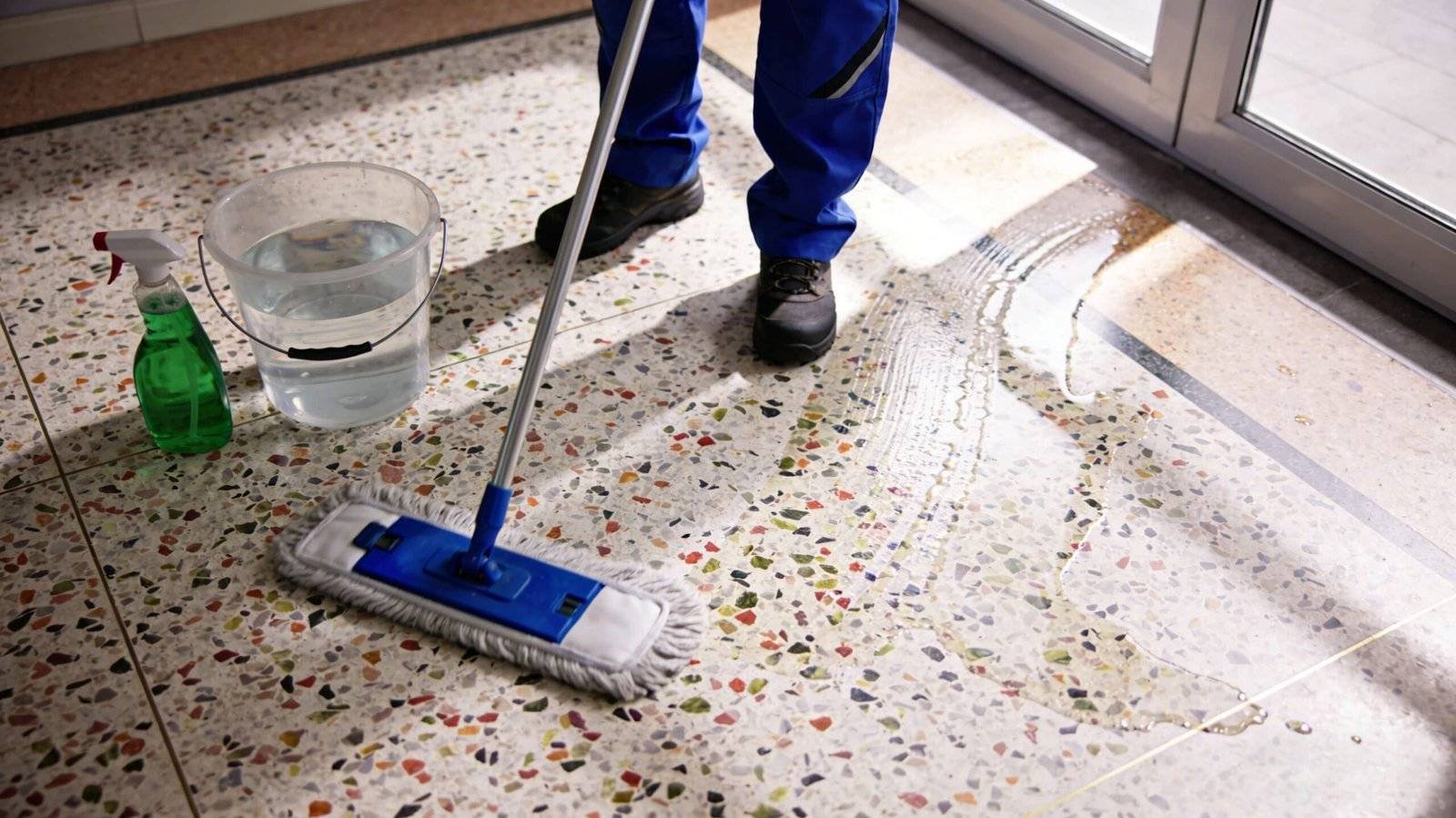
Natural stone flooring represents a significant investment for commercial properties, hospitality venues, and institutional facilities. Protecting that investment requires specialized equipment designed specifically for stone’s unique characteristics. A stone floor cleaning machine differs fundamentally from standard floor scrubbers—it must balance aggressive cleaning power with gentle treatment to preserve delicate crystalline structures, prevent etching, and maintain the lustrous finish that makes marble, granite, and terrazzo so desirable.
Choose a stone floor cleaning machine by matching the stone type, soil level, pad pressure, water control, and chemical system. Marble and limestone need gentle pressure with pH-neutral or crystallization-compatible chemistry. Granite, terrazzo, and sealed concrete can tolerate more mechanical action, but still need pads and detergents that will not scratch, etch, or leave residue.
| Stone floor need | Machine priority | Best match |
|---|---|---|
| Daily marble lobby cleaning | Low pressure, controlled solution flow, non-acid cleaner | Walk-behind scrubber with soft pad or brush |
| Granite or terrazzo maintenance | Higher productivity and durable pad system | Commercial auto scrubber or multi-function floor machine |
| Restoration or gloss recovery | RPM control, pad compatibility, and stone-safe chemistry | Stone polishing or crystallization machine |
| Large facility cleaning | Tank capacity, battery runtime, working width, and service access | Ride-on or wide-area floor cleaning machine |
For machine comparison, also review industrial floor polishing machines and the floor grinder vs concrete polisher guide.
This comprehensive guide explores the complete ecosystem of commercial stone cleaning equipment, from machine selection and chemical compatibility to operational best practices. Whether you’re a facility manager maintaining hotel lobbies, a stone installation contractor completing restoration projects, or a cleaning service company expanding into natural stone maintenance, understanding the synergy between mechanical equipment and professional stone care chemicals will maximize both cleaning effectiveness and floor longevity.
Modern stone floor cleaning machines integrate advanced technologies like orbital scrubbing, adjustable pressure systems, and precision chemical delivery to address the specific demands of porous stone surfaces while meeting the productivity requirements of large commercial installations.
Stone floor cleaning machines should be specified around the surface risk first. Granite, terrazzo, marble, travertine, and commercial tile can all appear in the same facility, but they do not tolerate the same brush stiffness, pad pressure, cleaner pH, or water recovery plan. Queries for stone floor scrubber machine, granite floor cleaning machine, Tennant floor scrubber, Karcher floor scrubber, and floor scrubber replacement brushes all point to one practical need: match the machine package to the stone, soil level, and maintenance workflow.
| GSC search intent | Machine or accessory direction | Selection check |
|---|---|---|
| Stone floor cleaning machine | Low-speed single-disc machine or auto scrubber with stone-safe pads | Confirm pad pressure, water recovery, cleaner pH, and whether the floor is polished, honed, or textured. |
| Granite floor cleaning machine | Scrubber or floor cleaning machine with non-aggressive pads and controlled rinse | Protect sealer performance and avoid residue that causes haze on polished granite or terrazzo. |
| Tennant or Karcher floor scrubber | Brand-compatible scrubber platform with correct brush deck, clutch, and tank capacity | Check replacement brush fit, machine width, battery runtime, and parts support before buying accessories. |
| Floor scrubber replacement brushes | Nylon, polypropylene, abrasive, or soft bristle brushes selected by floor type | Use softer brushes for polished stone and more aggressive brushes only after testing textured tile, grout, or outdoor surfaces. |
For commercial stone floors, a cleaning machine is only one part of the system. The safer package includes the correct brush or pad, low-foam stone cleaner, recovery method, operator pace, and a plan for polishing or crystallization when cleaning no longer restores gloss. If a floor shows etching, scratches, traffic-lane dullness, or sealer failure, solve those conditions before asking a scrubber to do restoration work.
Related planning paths: compare granite and terrazzo floor cleaning machines, review floor scrubber brush selection, and use industrial stone floor cleaning guidance when chemistry, machine choice, and water recovery need to be planned together.
Stone floor cleaning machines become easier to choose when the facility need is separated from the brand name. Current GSC queries show demand for floor scrubber replacement brushes, Tennant floor scrubber, Karcher floor scrubber, stone floor cleaner machine, granite floor cleaning machine, and marble floor cleaner machine. The right shortlist should connect each machine to the surface risk, route size, brush selection, water recovery, and daily maintenance workflow.

| Facility need | Machine direction | Product or guide path |
|---|---|---|
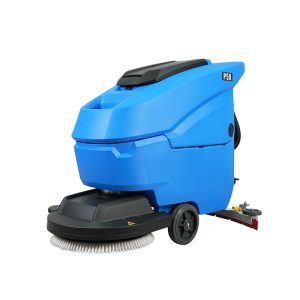
| Stone floor cleaner machine for daily commercial routes | Choose a walk-behind scrubber dryer with controlled pressure, low-foam cleaner compatibility, and reliable water recovery. | P50 Walk-behind Scrubber Dryer and industrial stone floor cleaning. |
| Tennant floor scrubber comparison or replacement planning | Check tank size, battery runtime, brush deck, squeegee recovery, and whether replacement brush supply is clear. | Tennant T300 and floor scrubber brush selection. |
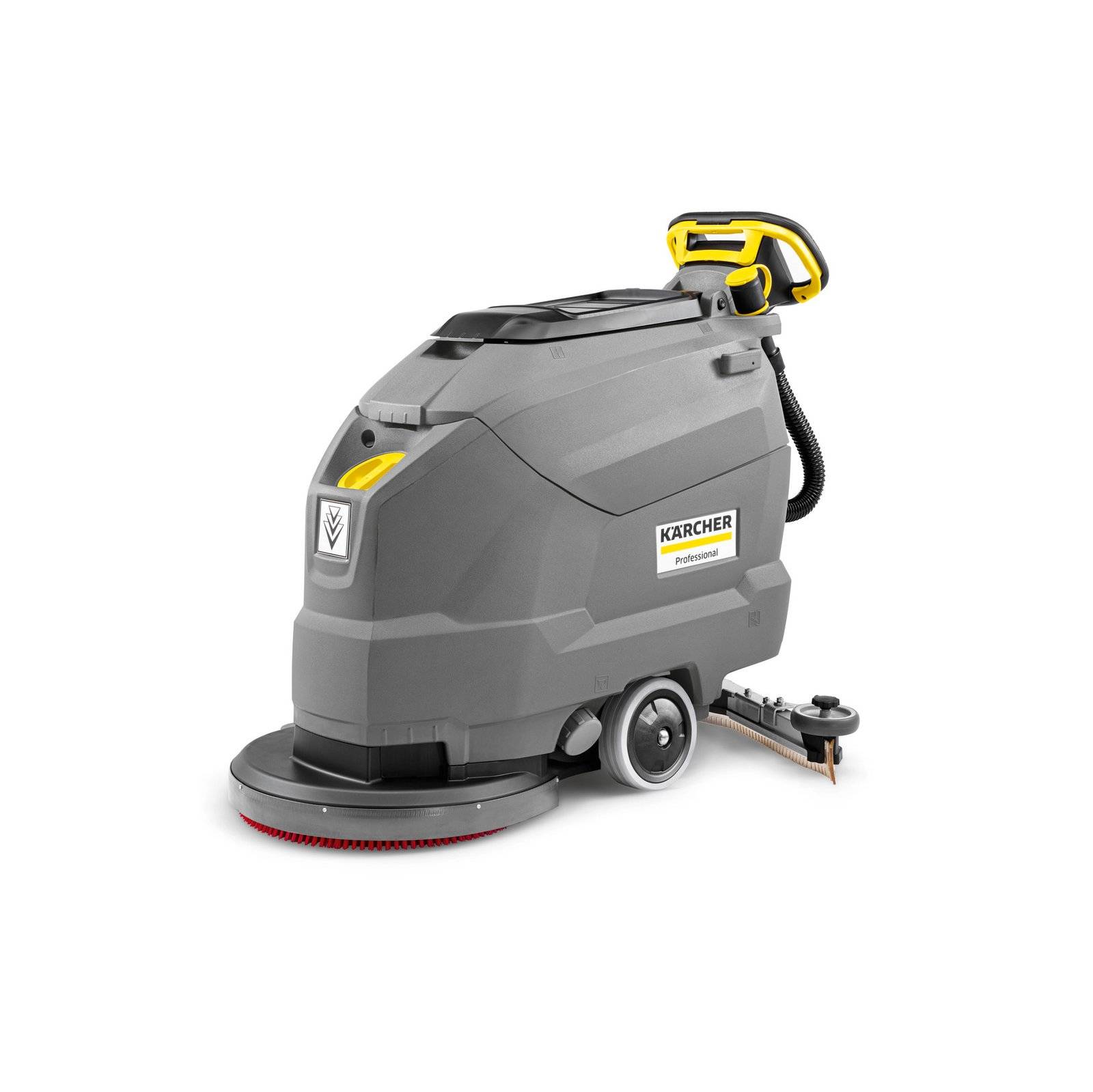
| Karcher floor scrubber for compact commercial cleaning | Use a compact scrubber dryer when route size, turning radius, drying speed, and operator handling matter more than ride-on productivity. | Karcher BD 50/50 C and floor scrubber vs buffer. |
| Granite, terrazzo, marble, or mixed stone surfaces | Match brush stiffness, pad pressure, pH, and recovery method to the specific stone before scaling to the full facility. | granite and terrazzo floor cleaning machines and professional marble maintenance. |
The safest selection path is to define the surface and cleaning route first, then choose the machine, brush or pad, cleaner, and recovery plan. A stone floor scrubber machine should remove soil without creating haze, scratches, residue, or excess water in joints and pores.
Stone floor cleaning machines employ fundamentally different technologies than standard floor scrubbers used for vinyl, concrete, or sealed surfaces. Natural stone’s porosity, varied mineral composition, and susceptibility to chemical etching demand equipment that delivers mechanical cleaning action without compromising surface integrity.
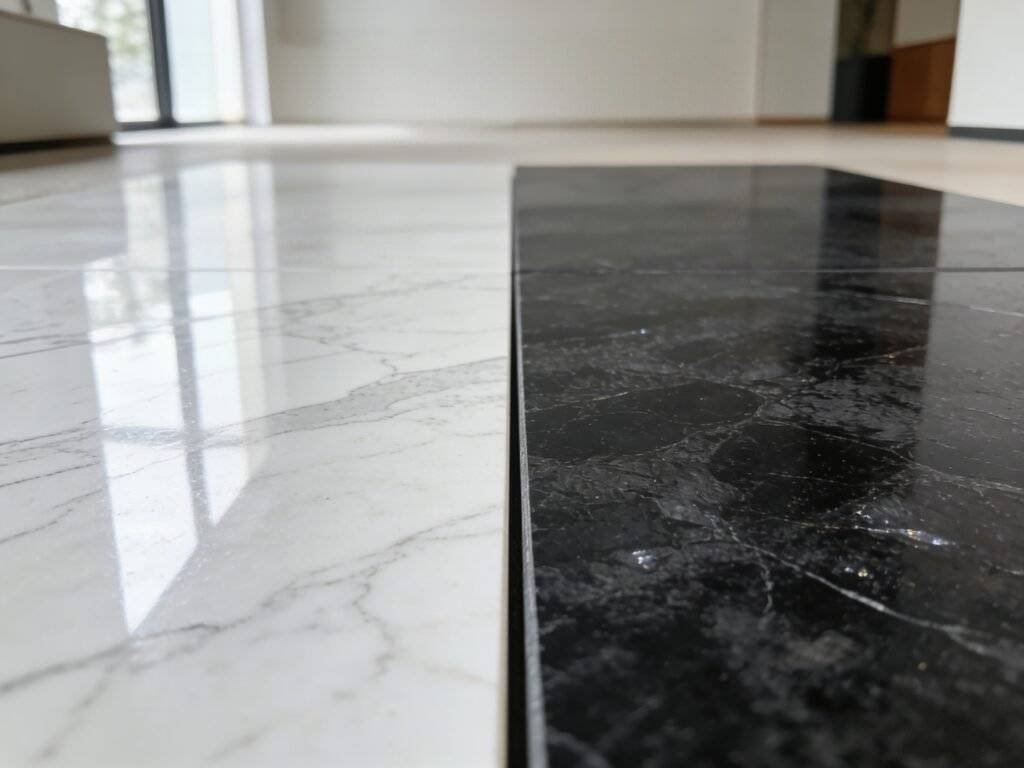
The evolution from manual mopping to today’s sophisticated oscillating, orbital, and rotary technologies has transformed stone maintenance from labor-intensive restoration cycles into efficient daily cleaning operations. Modern stone floor cleaning machines feature random-orbit technology that prevents the swirl marks and microscopic scratches that plagued earlier rotary-only designs. This orbital motion combines high-speed rotation with random oscillation patterns, generating increased friction and heat for superior soil removal while distributing wear evenly across the stone surface.
A critical distinction exists between aggressive concrete cleaners and stone-safe machines. Concrete equipment often operates at higher pressures and temperatures—some reaching 1500 PSI and 140°F —which can damage marble’s crystalline structure or strip sealers from granite. Purpose-built stone cleaning machines typically feature adjustable pressure settings, softer pad options, and controlled water delivery systems that respect stone’s delicate nature while still removing embedded soils.
The integration of chemical delivery systems with mechanical action represents another crucial advancement. Rather than simply applying cleaning solution to the floor, advanced machines feature solution flow control that matches chemical delivery to stone porosity and soil level, ensuring optimal dwell time without oversaturation that could penetrate unsealed areas. This synergy between equipment and pH-neutral stone care chemicals delivers thorough cleaning without the etching or dulling caused by incompatible products.
A stone cleaning machine should be selected around the floor finish and recovery method, not just around the machine category. Marble, granite, terrazzo, and textured stone can require different pad pressure, brush material, slurry control, and cleaner chemistry even when the search query is simply stone cleaning machine.
| Site condition | Machine direction | Chemical and accessory check | Risk if ignored |
|---|---|---|---|
| Polished marble or terrazzo with daily soil | Use controlled scrubbing, soft pads or suitable brushes, and recovery that avoids standing water. | pH-safe cleaner, non-scratch pads, squeegee condition, and clean rinse water. | Etching, swirl marks, dull traffic lanes, or residue that attracts soil. |
| Textured stone, grout lines, or uneven surfaces | Consider brush agitation and recovery strength instead of relying only on flat pads. | Bristle stiffness, grout-safe chemistry, dwell time, and edge detail tools. | Soil remains in low areas while the visible high points look clean. |
| Restoration prep before polishing or crystallization | Separate cleaning equipment from grinding, honing, and polishing equipment when scratch removal is required. | Diamond tooling, slurry handling, densifier or crystallization plan, and test area. | A cleaner machine is asked to solve damage that needs a restoration workflow. |
| Commercial building with limited downtime | Prioritize recovery efficiency, tank capacity, machine width, and operator repeatability. | Power access, elevator limits, noise window, after-hours schedule, and water disposal. | Cleaning results may be acceptable, but labor and reopening time miss the facility requirement. |
Before quoting, collect the stone type, finish level, soil source, traffic pattern, available water and power, lift or doorway limits, and whether the work is daily cleaning or restoration preparation. If the issue is brush selection, compare the floor scrubber brush selection guide; if the issue is machine category, review floor scrubber vs buffer and industrial floor polishing machines.
Commercial stone floor maintenance demands diverse equipment types, each engineered for specific applications, stone varieties, and facility requirements. Understanding these distinctions enables facility managers and contractors to select machines that optimize both cleaning effectiveness and operational efficiency.
Walk-behind floor scrubbers dominate commercial stone maintenance due to their versatility and productivity. These machines feature adjustable pressure settings ranging from gentle 49 kg down pressure for delicate marble to more aggressive settings for dense granite surfaces. Current 2026 models like the Tennant T300 offer cleaning paths from 17 to 24 inches with solution tank capacities up to 14 gallons, enabling coverage of 24,000 square feet per charge. Their battery-powered operation ensures quiet daytime cleaning—as low as 57.9 dBA—essential for hotels, healthcare facilities, and commercial properties where disruption must be minimized.
Orbital and oscillating machines have revolutionized stone floor care by preventing the surface damage associated with traditional rotary scrubbers. These stone cleaning machines feature rectangular scrub heads that reach into corners and along edges while their random-orbit technology eliminates swirl marks on polished surfaces. The orbital motion generates multiple cleaning passes per minute, creating friction that enhances cleaning effectiveness while distributing wear evenly. For terrazzo, marble, and other image-critical floors, orbital technology delivers daily maintenance, deep grout cleaning, and even chemical-free finish removal using appropriate pad selection.
The distinction between high-speed buffers and low-speed scrubbers determines application suitability. Low-speed scrubbers operating at 175-230 RPM excel at cleaning and restoration, providing the mechanical action needed to remove embedded soils from porous stone. High-speed buffers running 350-500 RPM serve polishing and maintenance functions, developing surface gloss without aggressive cleaning action. Understanding when each machine type serves stone floor maintenance best prevents equipment misapplication that damages surfaces or delivers inadequate results.
Cylindrical brush machines address heavily textured stone and specialty applications in high-traffic commercial environments where traditional disk scrubbers struggle. Their brush pressure ranging from 13-30 kg combined with controlled RPM provides deep cleaning capability for flamed granite, honed limestone, and non-slip surfaces. For facilities with mixed flooring materials—stone lobbies transitioning to tile corridors—compact multi-surface machines eliminate the need for multiple specialized pieces of equipment, simplifying operations and reducing capital investment.
Different stone varieties demand specific machine characteristics to achieve optimal cleaning without surface damage. A granite cleaner machine requires higher pressure tolerance and aggressive scrubbing capability suited to granite’s dense, non-porous structure. Granite withstands brush pressures up to 30 kg and can tolerate higher RPM settings that would damage softer stones. Its low porosity allows more aggressive chemical application and faster cleaning speeds without risk of solution absorption or staining.
Marble and travertine specifications demand opposite characteristics: pH-neutral chemical compatibility, soft pad options, and low-moisture systems to prevent etching. Marble’s calcium carbonate composition makes it highly susceptible to acid damage, requiring equipment with precise solution control that prevents oversaturation and ensures compatibility only with pH 7-7.5 cleaners. Soft purple diamond pads designed for polished floor maintenance replace aggressive scrubbing brushes, while orbital technology’s random motion prevents the directional scratching that dulls marble’s reflective finish.
Terrazzo cleaning considerations combine elements of both hard and soft stone care. Machines must handle embedded aggregate materials—glass, marble chips, or metal—without dislodging fragments while still removing soil from the surrounding matrix. Green turf pads designed to clean deep into grout lines and uneven surfaces work effectively on terrazzo, while adjustable down pressure prevents excessive force on sensitive areas.
The distinction between honed and polished stone surfaces necessitates matching machine speed and pad selection to finish requirements. Polished surfaces demand higher-speed operation with soft polishing pads to enhance gloss, while honed finishes require lower speeds with more aggressive pads to remove soil from the textured surface without excessive shine development.
For facilities with high-pH environments—particularly commercial kitchens with heavy grease accumulation—alkali-resistant cleaning machines feature specialized seals, gaskets, and materials that withstand exposure to powerful degreasers without deterioration. These machines integrate with professional heavy-duty cleaning chemicals formulated for stone safety despite their aggressive soil removal capabilities.
Selecting the best stone floor cleaning machine requires evaluating specific features that directly impact cleaning effectiveness, operational efficiency, and long-term surface preservation. These characteristics separate professional-grade stone maintenance equipment from general-purpose floor scrubbers.
Twin-tank technology stands as the most critical feature, ensuring fresh cleaning solution application while separately recovering dirty water. This system prevents redepositing soils onto stone surfaces—a common problem with single-tank or mop-bucket methods. Solution tank capacities ranging from 11-14 gallons enable extended cleaning sessions across large commercial floor areas without frequent refilling, while recovery tank capacity must match or exceed solution capacity to prevent overflow. Current 2026 models feature up to 91-liter tanks for maximum productivity in institutional settings.
Adjustable RPM controls provide the versatility essential for maintaining different stone types and surface finishes. The ability to vary speeds from 175 RPM for gentle marble cleaning to 350-500 RPM for granite restoration and polishing eliminates the need for multiple specialized machines. Operators can match machine speed to specific tasks: daily maintenance uses moderate speeds, deep cleaning employs lower RPMs with increased pressure, while polish restoration requires higher speeds with appropriate pads. This flexibility maximizes equipment utilization across diverse facility flooring types.
Free-floating driver heads conform to uneven stone surfaces while minimizing water usage and preventing surface damage from excessive pressure concentration. Unlike fixed-height scrub heads that miss low spots or gouge high areas, free-floating designs maintain consistent contact across floor variations—essential for aged stone installations where settling has created subtle elevation changes. This feature also reduces operator fatigue by eliminating the need to manually adjust machine pressure during operation.
Commercial-grade motors with sufficient power for large-scale operations deliver consistent performance without overheating during extended use. Brush motors ranging from 550W to higher capacities ensure adequate scrubbing force even in challenging applications like kitchen degreasing or restoration of neglected stone. Motor quality directly impacts machine reliability and maintenance costs, making it a critical evaluation criterion for facilities requiring daily operation across thousands of square feet.
Quick-change pad and brush systems compatible with various stone types and cleaning tasks reduce downtime and enable rapid transition between applications. Tool-free pad replacement systems allow operators to switch from aggressive green turf pads for deep grout cleaning to soft purple diamond pads for polished marble maintenance in seconds. This versatility proves essential for facilities with multiple stone types or varying maintenance needs throughout different areas.
Solution flow control for precise chemical delivery matched to stone porosity and soil level represents the final essential feature. Adjustable flow rates prevent oversaturation of porous limestone while ensuring adequate solution reaches heavily soiled areas. When integrated with pH-neutral stone cleaners diluted at proper ratios (typically 1:50 for auto-scrubber applications), precision flow control maximizes cleaning effectiveness while minimizing chemical consumption and preventing the residue buildup that attracts rapid resoiling.
The synergy between mechanical equipment and professional stone care chemicals determines cleaning effectiveness and long-term surface preservation more than any single equipment feature. A stone floor cleaner machine serves as the delivery system for specialized formulations designed to respect stone’s unique chemical vulnerabilities while removing stubborn soils.
Matching machine capabilities with pH-neutral cleaners—formulated at pH 7-7.5 specifically for natural stone—prevents the etching, dulling, and structural damage caused by acidic or alkaline products. These neutral cleaners contain specialized surfactant systems that penetrate stone’s porous structure without harming delicate crystalline compositions or reacting adversely with mineral content. When applied through machine solution tanks rather than manual methods, consistent dilution ratios and even distribution ensure every square foot receives optimal treatment.
Solution tank capacity and chemical dilution systems create consistency across large commercial floor areas that manual methods cannot achieve. Professional stone care requires precise dilution—typically 2 capfuls per 5 liters of water for general use. Machine tanks with volumetric markings enable accurate mixing, while on-board metering systems on advanced models automatically dilute concentrated chemicals to specified ratios, eliminating operator error and reducing chemical waste. This precision matters especially for expensive specialty compounds like Beton Shine designed for specific restoration applications.
Compatibility extends beyond pH levels to include heavy-duty degreasers and specialty restoration compounds. While general maintenance uses neutral daily cleaners, facilities with commercial kitchens or food service areas require periodic application of stronger formulations compatible with alkali-resistant equipment. The machine’s seals, gaskets, and internal components must withstand exposure to these more aggressive chemicals without deterioration—a specification often overlooked during equipment selection but critical for long-term operational viability.
The choice between on-board chemical metering and pre-mixing presents trade-offs for different facility management workflows. On-board systems offer convenience and consistency, automatically diluting concentrated chemicals at preset ratios and eliminating the mixing step before each cleaning session. However, they add equipment complexity, require maintenance, and limit chemical type flexibility. Pre-mixing in solution tanks provides complete control over dilution ratios, accommodates any compatible chemical, and simplifies equipment troubleshooting, but demands additional labor and introduces potential for mixing errors that could damage stone surfaces.
Understanding the synergy between mechanical action and chemical dwell time optimizes soil removal without multiple passes that waste time and increase water consumption. Professional stone cleaners formulated for machine application include ingredients that enhance mechanical scrubbing effectiveness—surfactants that reduce surface tension allowing deeper penetration, soil suspending agents preventing redeposition, and in some cases, added sealant protection that leaves invisible barriers preventing rapid resoiling. When machines apply these solutions with appropriate dwell time (typically 10 minutes for heavy soiling), the chemical action loosens embedded soil that mechanical scrubbing then extracts completely.
Understanding application-specific requirements enables facility managers to select stone cleaner machines that match operational demands across diverse commercial environments. Each setting presents unique challenges requiring tailored equipment characteristics and cleaning protocols.
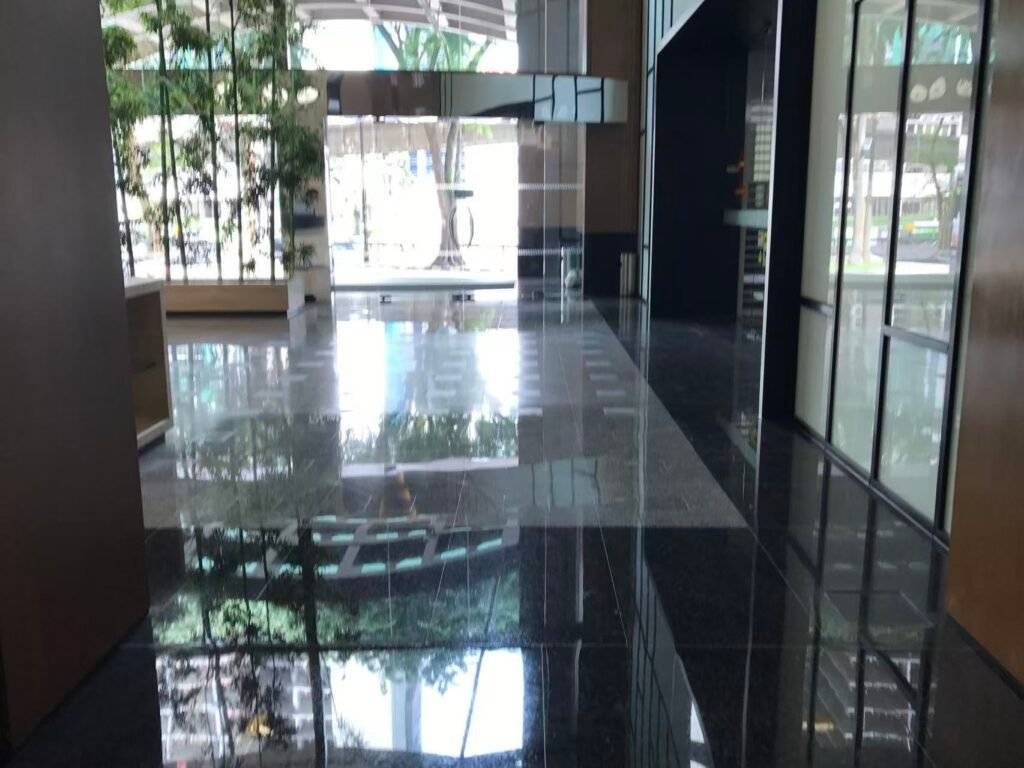
Hotel lobby and hospitality applications demand equipment that balances aesthetic excellence with high-traffic durability. Marble and granite floors in these settings serve as primary design elements making appearance paramount. Machines must clean effectively without leaving water spots, streaking, or solution residue that dulls the polished finish guests expect. Quiet operation below 60 dBA enables daytime maintenance between check-in rushes, while compact designs navigate furniture groupings and decorative features common in upscale properties. Battery-powered walk-behind scrubbers with orbital technology deliver the quality results hospitality venues require.
Retail and commercial real estate installations often span tens of thousands of square feet, making productivity the primary selection criterion. The analysis between ride-on and walk-behind efficiency centers on square footage and layout. Ride-on models with large solution tanks exceeding 91 liters cover expansive open areas like shopping mall corridors with maximum productivity. Walk-behind machines excel in divided spaces with frequent doorways, alcoves, and furniture where ride-on equipment cannot maneuver effectively. Many large commercial properties maintain both types, deploying each where it provides optimal efficiency.
Healthcare and institutional facilities must meet strict hygiene standards that influence both equipment selection and cleaning protocols. Stone floors in hospital lobbies, medical office buildings, and educational institutions require daily maintenance that removes not just visible soil but also biological contaminants. High pressure floor scrubbers designed for healthcare applications feature antimicrobial materials, elevated solution temperatures, and chemical metering systems compatible with disinfectant additives. The emphasis on infection control makes twin-tank systems especially critical, ensuring only fresh solution contacts floor surfaces while contaminated recovery water remains isolated until proper disposal.
Restaurant and food service environments present the most aggressive soiling conditions natural stone encounters commercially. Grease accumulation on kitchen and dining area floors requires specialized equipment compatible with heavy-duty degreasers formulated for stone safety. Machines for these applications feature alkali-resistant components, elevated brush pressures for stubborn soil removal, and frequent pad/brush replacement protocols. The combination of professional stone-safe degreasers applied through appropriate equipment prevents the buildup that creates slip hazards and eventually penetrates unsealed stone causing permanent staining.
Stone installation contractors require equipment serving dual purposes: initial project cleaning and periodic restoration services. Medium roughening machines prepare surfaces before sealer application, while stone floor cleaner machines remove installation residues, grout haze, and protective coverings without damaging newly installed stone. Portable equipment with detachable components facilitates transport between job sites, while compatibility with both aggressive cleaning and gentle polishing chemicals enables contractors to offer comprehensive maintenance packages extending beyond initial installation.
Understanding the difference between scrubber and buffer applications prevents equipment misuse that damages stone floors or delivers inadequate results. Scrubbers and buffers serve distinct maintenance phases, each optimized for specific outcomes.
Wet extraction scrubbers remove embedded soil through combined mechanical action and solution application, making them essential for regular cleaning maintenance. Their rotating brushes or pads agitate stone surfaces while simultaneously applying pH-neutral cleaning chemicals that dissolve and suspend soils. The squeegee system then extracts dirty solution, leaving floors clean and relatively dry. This process addresses daily traffic soiling, food spills, and organic material accumulation.
Buffers operate on dry or minimally dampened floors, using high-speed rotation with polishing pads to enhance surface gloss without aggressive cleaning action. For polished stone maintenance between deep cleaning cycles, buffing develops reflective shine and removes minor scuff marks. However, buffers cannot remove embedded soil—attempting to do so simply grinds grit into the stone surface causing irreversible scratching. The floor scrubber and cleaning machines comparison reveals that most commercial stone maintenance requires dedicated scrubbers for regular cleaning with occasional buffing for appearance enhancement.
Medium roughening machine applications occur during stone restoration before applying final polish with cleaning equipment. These specialized grinders feature diamond abrasives that level uneven surfaces, remove deep scratches, and prepare stone for repolishing. After roughening establishes the desired surface profile, cleaning machines remove grinding residue before applying sealers and polish compounds. Confusing these distinct restoration phases leads to equipment misapplication—using scrubbers for tasks requiring grinders or attempting to polish with cleaning equipment lacking appropriate speed and pad combinations.
Auto scrubber machine automation represents the evolution of commercial stone maintenance for large installations requiring consistent daily cleaning. These intelligent machines follow programmed routes, maintaining optimal cleaning patterns without continuous operator supervision. For facilities like convention centers, shopping malls, or corporate campuses with extensive stone flooring, automation delivers labor cost reduction while ensuring every area receives consistent maintenance. However, automation suits only open floor plans—complex layouts with obstacles still require operator-controlled equipment.
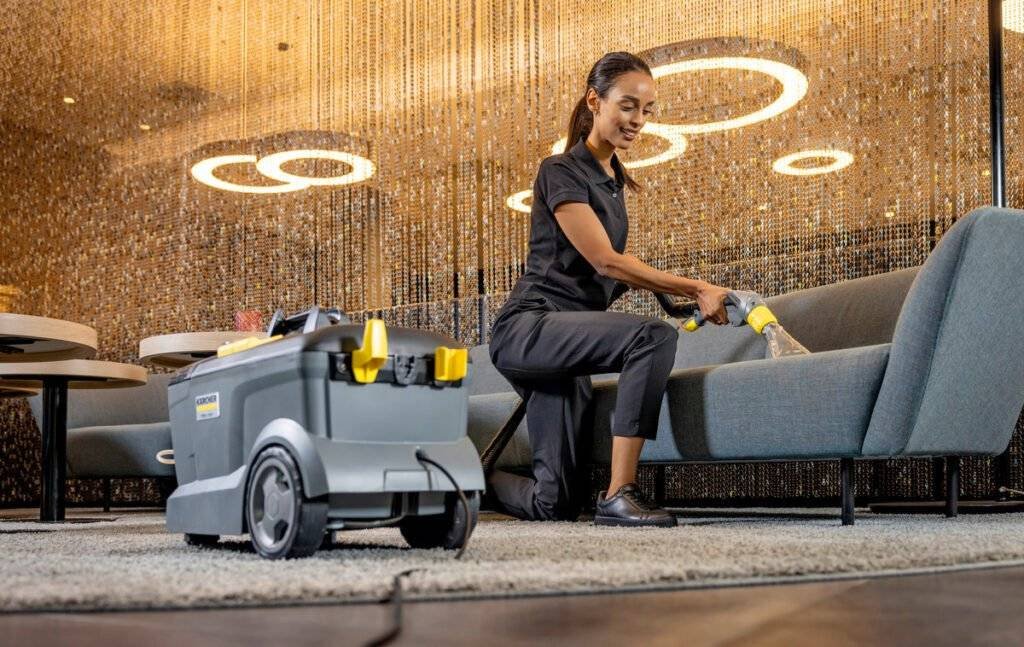
The limitations of using dry foam carpet cleaners on stone surfaces illustrate the importance of equipment-appropriate application. Some facilities attempt cost savings by using multi-purpose equipment across different flooring types. Carpet cleaners apply foam-based chemicals and use vacuum extraction designed for textile fibers, not hard surfaces. When misapplied to stone, they leave residue that attracts rapid resoiling, may contain pH levels unsafe for natural stone, and lack the mechanical agitation required to remove embedded floor soils. This practice ultimately increases maintenance costs through accelerated stone deterioration and ineffective cleaning requiring more frequent professional restoration.
Proper operation and maintenance protocols maximize stone floor cleaning machine effectiveness while extending equipment service life and preventing surface damage. These best practices apply across all commercial stone types and facility applications.
Daily maintenance protocols begin before machine operation. Dust mopping or sweeping removes abrasive debris like sand and dirt that acts like sandpaper during mechanical scrubbing. This grit removal prevents microscopic scratching that dulls stone surfaces over time—the single most critical step in commercial stone floor maintenance. Using clean, untreated dry microfiber mops at least twice daily in high-traffic areas protects pristine floors and extends periods between restoration requirements.
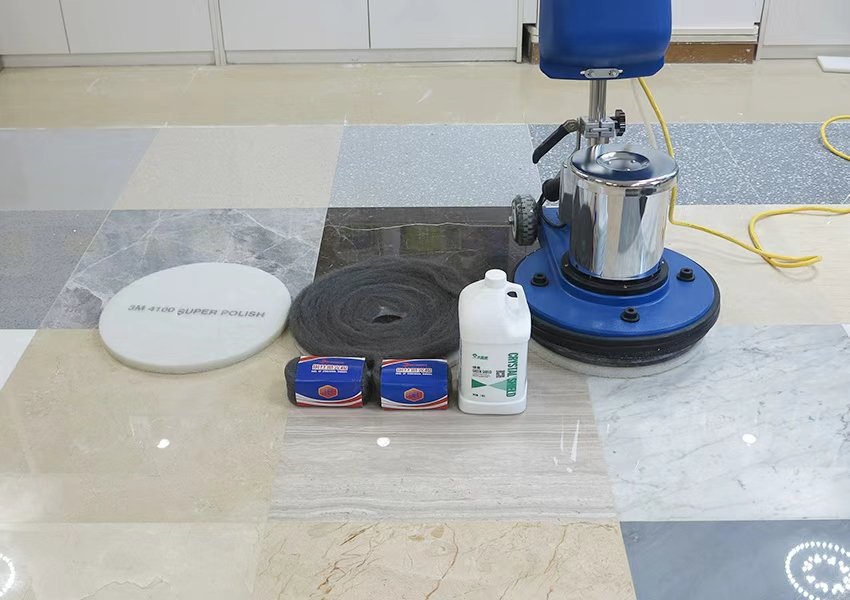
Proper pad and brush selection charts matched to different stone types prevent surface damage while optimizing cleaning effectiveness. Maroon surface prep pads handle heavy-duty scrubbing on granite, vinyl, and concrete but prove too aggressive for marble. Purple diamond pads perform daily cleaning and maintenance of polished floors without dulling finishes. Green turf pads clean deep into grout lines on terrazzo and textured surfaces. Maintaining a complete pad inventory and training operators on appropriate selection for each application prevents costly mistakes.
Chemical dilution ratios and solution tank cleaning procedures prevent residue buildup that reduces cleaning effectiveness and may damage equipment. Following manufacturer specifications—typically 1:50 dilution for pH-neutral stone cleaners in auto-scrubber applications —ensures adequate cleaning power without chemical waste or excessive residue. After each use, solution tanks require rinsing to prevent chemical concentration as water evaporates, while recovery tanks need complete emptying and flushing to prevent odor development and bacterial growth. Weekly deep tank cleaning using approved procedures maintains system hygiene and prevents cross-contamination between different chemical types.
Operator training essentials encompass speed settings, overlap patterns, and pressure adjustments for consistent results. New operators often run machines too fast, reducing dwell time and mechanical action required for thorough soil removal. Proper technique maintains forward speed matching the machine’s cleaning capability—typically creating 10-20% overlap between passes to ensure complete coverage. Pressure adjustment training prevents both insufficient force that leaves soil embedded and excessive pressure that damages stone or accelerates pad wear.
Equipment maintenance schedules including tank cleaning, pad replacement intervals, and motor servicing prevent breakdowns and extend machine service life. Daily post-operation tasks include squeegee blade inspection and cleaning, recovery tank emptying, and battery charging for cordless models. Weekly maintenance covers brush/pad condition assessment, solution filter cleaning, and external cleaning. Monthly procedures include detailed mechanical inspection, bearing lubrication, and belt tension verification. Following manufacturer-specified service intervals for major components—motors, pumps, and drive systems—prevents failure during operation and maintains warranty coverage.
Troubleshooting common issues enables operators to correct problems before they damage stone surfaces. Streaking typically indicates squeegee misalignment, worn blades, or excessive solution flow requiring adjustment. Incomplete pickup suggests vacuum system problems—clogged filters, leak in recovery system, or inadequate squeegee pressure. Uneven cleaning patterns result from worn brushes/pads requiring replacement, inconsistent operator speed, or floor surface preparation issues. Understanding these cause-effect relationships empowers facility maintenance teams to maintain optimal equipment performance without frequent outside service calls.
Successful equipment selection requires evaluating multiple factors beyond initial purchase price. The best stone floor cleaning machine for any facility balances productivity requirements, surface compatibility, operational constraints, and total cost of ownership.
Square footage calculations and productivity rates establish baseline equipment capacity requirements. Walk-behind scrubbers clean approximately 10,000-24,000 square feet per charge depending on model size and tank capacity. Facilities significantly exceeding this coverage need ride-on equipment with productivity rates reaching 40,000+ square feet per charge, or multiple walk-behind units for simultaneous operation in different areas. Undersized equipment forces multiple cleaning sessions or incomplete maintenance, while oversized machines waste capital on unused capacity and create maneuverability challenges in confined spaces.
Budget considerations extend beyond initial investment to long-term maintenance costs and chemical efficiency. Entry-level walk-behind scrubbers start around $5,000-8,000, mid-tier models with advanced features range $10,000-15,000, while top-tier commercial-grade equipment exceeds $20,000. However, total cost of ownership analysis must include annual maintenance expenses (10-15% of purchase price), chemical consumption, pad/brush replacement intervals, and labor savings from increased productivity. A more expensive machine with superior efficiency, durability, and chemical economy often delivers lower five-year total cost than budget alternatives requiring frequent repairs and replacement.
Evaluating machine weight and maneuverability ensures equipment suits facility layout and storage constraints. Lighter walk-behind models (under 200 lbs) navigate elevators and transport easily between floors, while heavier commercial units (300-500 lbs) provide stability for aggressive scrubbing but challenge multi-floor operations. Facilities with stone installations across multiple buildings benefit from equipment featuring quick-disassembly components—detachable heads, removable tanks, and folding handles that facilitate vehicle transport. Storage space for machine, accessories, and chemical inventory requires planning during equipment selection.
Power source options—corded, battery, or propane-powered machines—address different operational scenarios. Battery-powered models dominate commercial stone maintenance due to quiet operation, zero emissions for indoor use, and freedom from cord management. Current lithium-ion batteries provide 3-4 hour runtime with rapid charging capability. Corded units suit facilities with accessible electrical outlets and smaller cleaning areas where cord management remains practical. Propane power serves outdoor applications or industrial settings where emissions and noise prove acceptable, offering unlimited runtime but requiring fuel management and exhaust ventilation.
Warranty, parts availability, and service support from manufacturers and distributors significantly impact long-term ownership experience. Standard warranties covering 1-2 years protect against manufacturing defects, while extended warranties (3-5 years) provide predictable maintenance budgeting. Parts availability matters critically—popular commercial brands maintain extensive dealer networks with same-day component shipping, while lesser-known manufacturers may require weeks for replacement parts causing extended downtime. Evaluating manufacturer reputation, dealer proximity, and service response times prevents frustrating ownership experiences.
Total cost of ownership analysis including labor savings and floor lifespan extension justifies premium equipment investment. A high-quality stone floor cleaning machine paired with professional stone care chemicals extends marble, granite, and terrazzo floors decades beyond typical lifespans achieved with inadequate maintenance. When $50-150 per square foot stone installation costs are considered, investing 2-3% of that value in proper maintenance equipment proves economical. Additionally, efficient equipment reduces labor hours—productivity gains of 50-100% compared to manual methods—delivering ongoing operational savings that rapidly recover initial investment.
Selecting and operating appropriate stone floor cleaning machines fundamentally determines whether commercial stone installations maintain their aesthetic appeal and structural integrity across decades of use or deteriorate into costly restoration projects. The integration of specialized equipment with pH-neutral chemical solutions specifically formulated for natural stone creates a maintenance ecosystem that respects stone’s unique vulnerabilities while meeting commercial productivity demands.
This comprehensive guide has explored the complete spectrum of considerations facility managers, contractors, and cleaning professionals must evaluate: understanding stone-specific machine technologies, selecting appropriate equipment types for different applications, identifying essential features that distinguish professional-grade machines, matching equipment capabilities with chemical compatibility, and implementing operational best practices that maximize both cleaning effectiveness and equipment longevity.
The key differentiator separating successful stone maintenance programs from inadequate approaches lies in viewing equipment and chemicals as integrated systems rather than separate purchases. Stone cleaner machines paired with professional-grade stone care products deliver synergistic results neither component achieves independently—mechanical action without appropriate chemicals leaves residues and embedded soils, while superior chemicals applied through inadequate equipment waste money without delivering optimal outcomes.
For facilities maintaining significant natural stone investments, partnering with comprehensive solution providers offering both specialized equipment and proprietary chemical formulations ensures compatibility and performance. Whether you’re managing hotel lobbies, commercial real estate properties, or providing professional stone maintenance services, the equipment and operational knowledge presented in this guide enables informed decisions that protect stone beauty while controlling maintenance costs. Explore additional resources at King Home Chemicals CleanExpo Moscow for innovative stone care solutions and stay informed about the latest developments in commercial stone maintenance technology.
Related: Floor cleaning, grinding, and polishing machines · Floor scrubber brushes
 English
  Spanish