WELCOME TO KINGHOME
Get A Free Quote
We will get back to you within 8 hours

WELCOME TO KINGHOME
We will get back to you within 8 hours
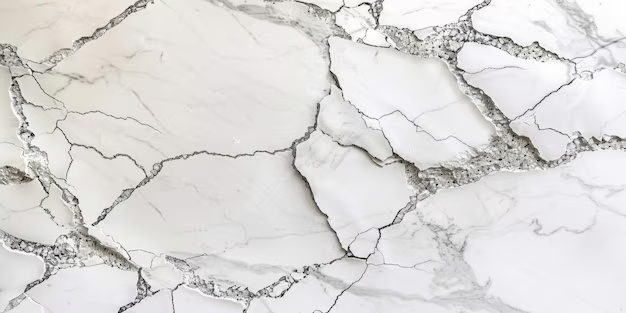
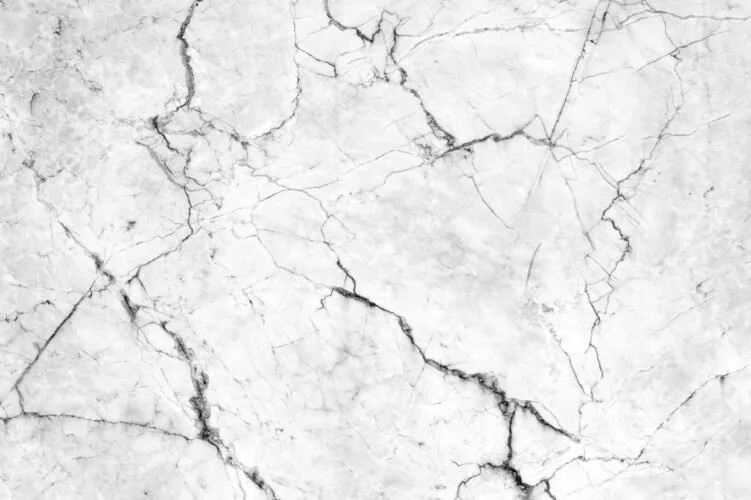
Natural marble boasts elegant colors and rich textures, commanding a significant share in construction and decoration projects. Selecting the right stone showcases its inherent beauty, elevating architectural spaces with premium aesthetics. However, misunderstanding its properties often leads to cracks, damage, and costly repairs.
Stone floor cracks should be diagnosed before a filler, adhesive, or polishing step is chosen. Hairline cracks, spider-web cracks, dark deep fissures, hollow-sounding tiles, and impact chips can look similar in photos, but they point to different causes and repair risks.
| Visible crack pattern | What to check first | Repair direction | Evidence to collect |
|---|---|---|---|
| Hairline crack on polished marble | Check whether the crack is surface-only, moving, or connected to a hollow area. | Use a test area before resin filling or polishing so the finish and color match can be reviewed. | Close-up photo, side-light photo, stone type, and whether the line catches a fingernail. |
| Spider-web cracks before opening | Review installation stress, substrate movement, adhesive bed support, and expansion-joint layout. | Do not treat it as a cosmetic fill until hollow spots and movement risk are checked. | Floor plan, installation date, hollow-sound map, load history, and joint locations. |
| Dark deep split or blackened crack | Identify moisture, dirt, oil, or previous repair material inside the opening. | Clean and dry the crack before selecting adhesive, color matching, and finish restoration. | Moisture condition, contamination source, crack depth, and previous repair notes. |
| Edge chip, hole, or broken corner | Check whether the damage is isolated impact damage or part of a wider weakness. | Plan mechanical preparation, compatible repair adhesive, shaping, curing, and final polishing together. | Edge profile, missing material, traffic exposure, and photos from multiple angles. |
For a repair recommendation, send the stone type, crack width, crack depth, hollow-sound result, moisture condition, installation age, and photos under strong side lighting. Related resources include the stone crack repair adhesive guide and professional marble maintenance planning.
Case Study: Cracks in New Nanjing Plaza Marble Floors
——Newly Installed Marble Floors Crack Before Opening
In a Nanjing commercial plaza yet to open, fresh marble flooring shows severe damage: spider-web cracks, lightning-like fissures, and blackened deep splits with holes. These flaws destroy the stone’s visual appeal and raise doubts about durability.
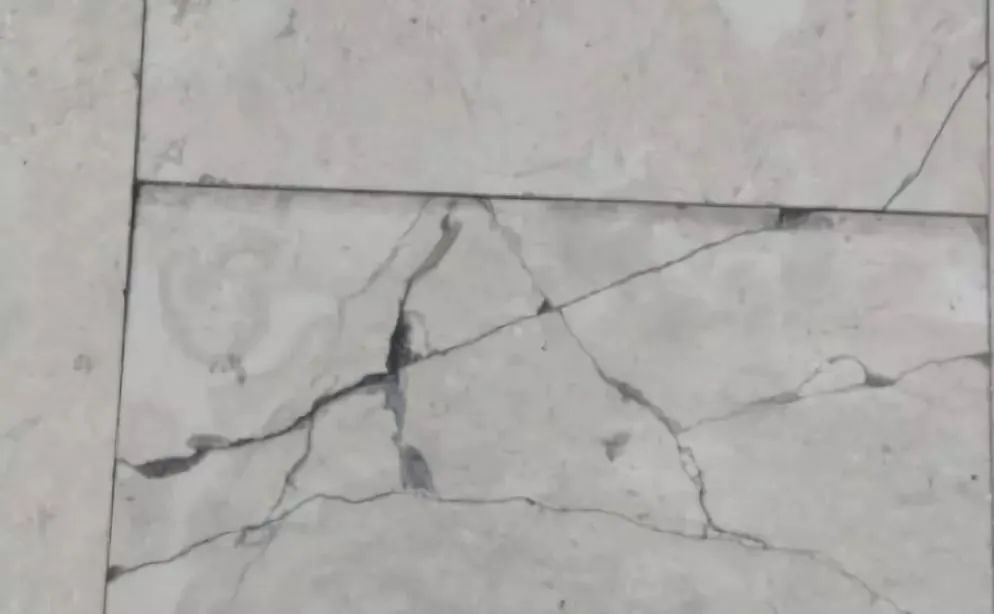
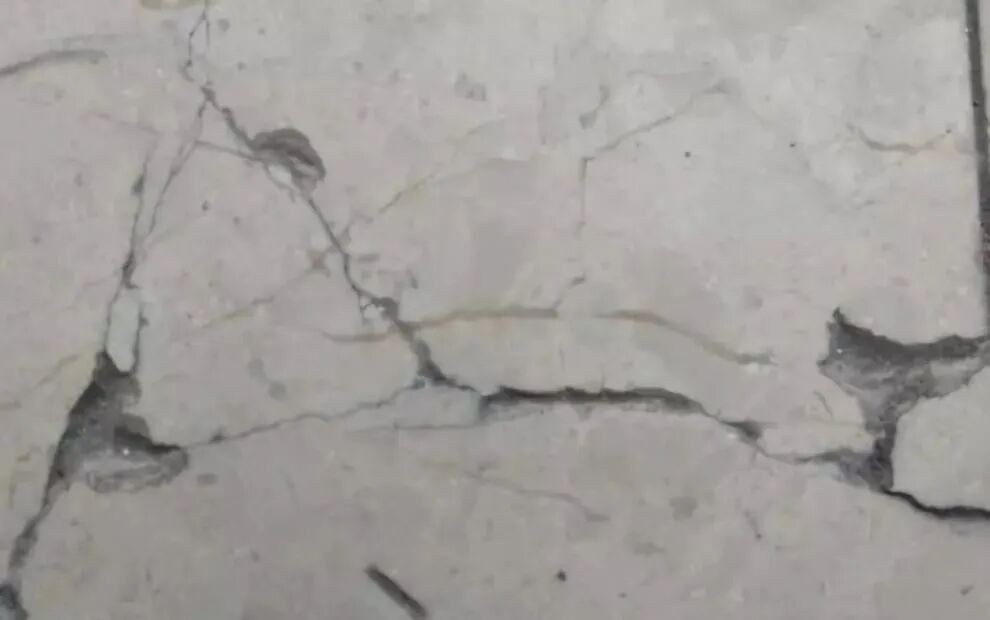
Why Does Solid Stone Crack?
People assume stone is unbreakable, but it’s vulnerable without care in processing, transport, and installation. Examples include saw blade drift during cutting causing surface gouges; lack of back-netting or glue leading to transport jostles; and water contamination worsening installation breaks.

Crystal Shield Stone Care Series
Green Shield is a new product tailored for marble polishing and care. It delivers strong anti-dust, anti-efflorescence, and acid-alkali resistance, plus scrub resistance, scratch protection, and great self-cleaning/stain-resistant performance.
Key Causes of Marble Surface Cracks and Damage
——Root Causes: Stone Structure vs. Human Factors
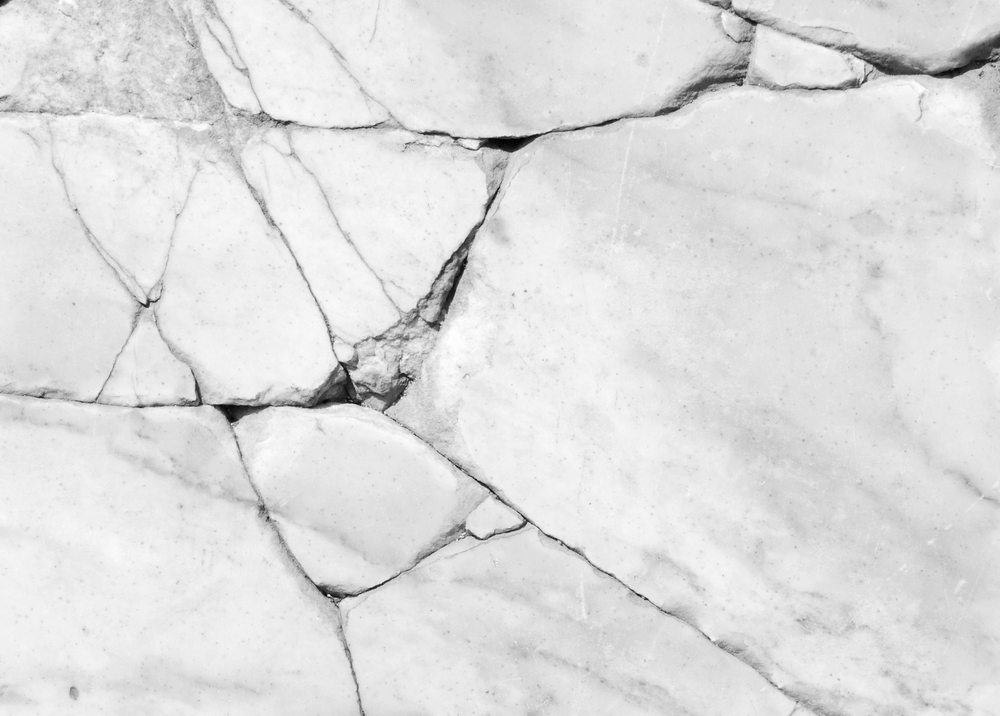
Marble cracks stem from inherent geology or external handling (mining, processing, transport, installation, environment). Nanjing plaza inspection pinpointed these:
1.Hidden Micro-Cracks in Natural Veins
Abundant veins (water lines) create beauty but weak spots. Pressure or impacts turn invisible fissures into visible cracks.
2.Hollowing from Poor Cement Curing
Wet cement installation reacts with water/alkalis, cracking marble if uncured. Early traffic or loads cause voids; later dragging or grinding then splits surfaces.
3.No Six-Sided Sealing Exposes to Moisture
High-absorbency marble without protection swells in humidity, shrinks in dry air. Repeated cycles accelerate cracking via expansion/contraction.
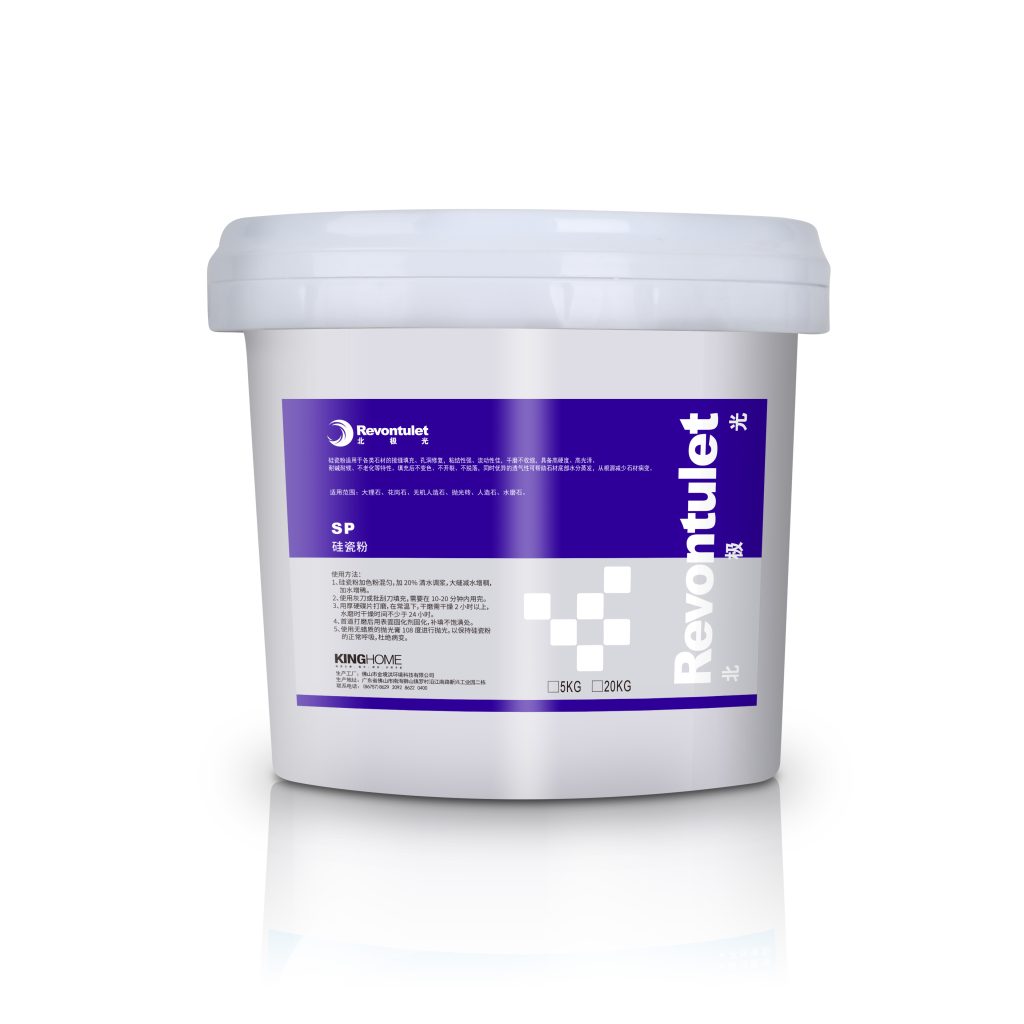
SP Silica Ceramic Powder is a high‑performance joint filler and hole repair material for marble, granite, engineered stone, tiles, and terrazzo. It offers strong adhesion, no shrinkage, high gloss, weather resistance, and breathability to prevent discoloration, cracking, and delamination.
Proven Repair Methods for Stone Slab Cracks
——Step-by-Step Marble Crack Repair Guide
For minor cracks/local damage, use premium resin glue to mend and restore looks. Replace severely broken slabs meeting quality specs.
Essential Repair Best Practices:
1.Prep Clean & Dry: Clear cracks/slab fully—dirty/wet surfaces weaken bonds, risking re-failure.
2.Choose Superior Adhesive: Needs strong adhesion, fill capacity, penetration, and polishability for seamless results.
3.Apply Fully Without Sinkage: Saturate solidly; post-grind integrates perfectly with stone.
4.Seal Waterproof Thoroughly: Lowers absorption, blocks erosion, slows weathering, boosts stain/corrosion resistance.

Revontulet Stone Polishing & Care Series
DR Stone Hollowing Adhesive is made for repairing tiles’ hollowing and loosening. Its high-hardness formula boasts moisture resistance, anti-aging, plus efficient penetration and strong bonding.
Natural marble, Earth’s irreplaceable gem, demands scientific use and maintenance to avoid losses. Proper care unlocks its luxury value for stunning, durable architecture.
Prevent Future Damage: Seal all sides pre-install, cure 7+ days, use pads under loads.
 English
  Spanish