WELCOME TO KINGHOME
Get A Free Quote
We will get back to you within 8 hours

WELCOME TO KINGHOME
We will get back to you within 8 hours

A floor scrubber brush should match the floor and the machine interface at the same time. A brush that is right for textured tile can be too aggressive for polished stone, and a brush that fits one scrubber model may not fit another drive plate, clutch, or mounting pattern. Confirm the floor, soil, and machine details before comparing brush material.
| Selection checkpoint | What to confirm | Why it matters | Evidence to provide |
|---|---|---|---|
| Floor surface | Identify smooth tile, textured tile, stone, concrete, epoxy, VCT, or mixed surfaces. | Brush stiffness and contact pattern can clean effectively or cause visible damage. | Floor material, finish, photos, and any scratch or dullness concern. |
| Soil type | Separate dust, grease, grout soil, outdoor grit, tire marks, and residue film. | Soil source affects bristle stiffness, dwell time, chemistry, and recovery method. | Soil photos, cleaner used, traffic source, and cleaning frequency. |
| Machine interface | Confirm scrubber brand, model, brush diameter, mounting style, and rotation direction. | Correct material is not enough if the brush cannot mount or spin safely on the machine. | Machine nameplate, old brush photos, diameter, clutch or drive detail, and part number if available. |
| Water recovery and squeegee condition | Check whether loosened soil is being removed after brushing. | Poor recovery can make a correct brush look ineffective by redepositing soil. | Dirty-solution recovery quality, squeegee condition, and post-clean residue check. |
For brush matching, send the scrubber model, current brush or pad photos, floor surface, soil type, cleaning chemical, and the result you want to improve. Adjacent guides include commercial tile cleaning machines, floor scrubber vs buffer, and floor brush types.
For most scrubber machines, choose a nylon brush for polished stone, marble, terrazzo, and daily maintenance; choose polypropylene for routine tile, concrete, and warehouse cleaning; choose steel wire only for rough concrete, outdoor buildup, or stripping tasks where surface scratching is acceptable. Always confirm the brush diameter, drive plate, bristle stiffness, and machine RPM before ordering replacements.
| Floor or soil condition | Best brush choice | Why it works |
|---|---|---|
| Polished marble, granite, terrazzo, or coated floors | Nylon brush | Flexible bristles clean without dulling the finish. |
| Ceramic tile, PVC, sealed concrete, and daily commercial cleaning | Polypropylene brush | Balanced stiffness and chemical resistance for routine scrubbing. |
| Rough concrete, outdoor paving, heavy buildup, or stripping prep | Steel wire brush | Aggressive contact removes compacted dirt but can scratch sensitive floors. |
The floor cleaning brush you choose for your scrubber machine determines how effectively you clean, how long your floors last, and how much you spend on replacements. With three main material types — nylon, polypropylene, and steel wire — plus multiple bristle stiffness levels and configurations, selecting the right brush requires matching your specific floor surface, soil conditions, and cleaning frequency.
This guide walks you through the decision process step by step, so you can confidently select a brush that delivers maximum cleaning performance without damaging your floors.
A floor scrubber brush decision should connect three checks before a buyer orders parts: the brush or pad material, the machine deck fit, and the floor condition. Nylon floor brush options are usually safer for routine cleaning and polished or coated floors. Polypropylene brush choices can handle wet, chemical-heavy cleaning routes. Steel wire brush or heavy grit choices should be limited to hard textured surfaces after a test area. For soft maintenance, custom non-woven pads may be a better choice than a bristle brush.


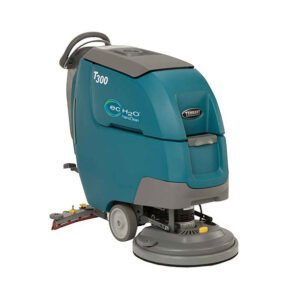
| Selection question | What to check first | Product or guide path |
|---|---|---|
| Replacing an existing scrubber brush | Confirm machine model, brush diameter, center hub, clutch style, trim height, and whether the old brush is single-disc or part of a twin-disc set. | Replacement Brush for Kärcher BD 50/50 and the floor scrubber buying guide. |
| Choosing between brush and floor pad | Use bristles for soil removal, texture, grout lines, or uneven surfaces; use pads when finish control, light agitation, or scratch risk matters more. | Custom Non-Woven Pads and floor scrubber vs buffer. |
| Matching material to the floor | Nylon is a safer starting point for general cleaning, polypropylene works well in wet chemical routes, and steel wire is only for surfaces that can tolerate aggressive abrasion. | nylon vs polypropylene vs steel wire brushes. |
| Specifying brushes for a full scrubber system | Check route size, water recovery, brush deck pressure, soil type, and whether the floor is coated, concrete, tile, terrazzo, or sensitive stone. | Tennant T300, stone floor cleaning machines, and specialized industrial cleaning machines. |
| Working on marble, terrazzo, granite, or mixed stone | Aggressive brushes can clean faster but may leave swirl marks, haze, or sealer damage on sensitive floors. | industrial stone floor cleaning before selecting the final brush or pad. |
The practical ordering note is simple: a floor cleaning brush manufacturer needs the machine model, brush dimensions, hub photo, floor material, soil level, and cleaning chemical before recommending floor scrubber brushes or floor scrubber replacement brushes. That information prevents a brush from fitting the machine but failing the actual cleaning route.
Choosing the wrong brush leads to three costly problems:
1. Floor Damage. Aggressive bristles on sensitive surfaces like marble or polished granite create microscopic scratches that dull the finish over time. Replacing a damaged marble floor costs $15–$30 per square foot — far more than investing in the correct brush.
2. Poor Cleaning Results. Soft bristles on heavily textured concrete or grouted tile simply push dirt around without extracting it from pores and grout lines. Facility managers then compensate with more chemical, more labor hours, and more machine passes.
3. Premature Wear. Mismatched brushes wear out 2–3× faster. A nylon brush used aggressively on rough concrete will lose bristle integrity in weeks instead of months. Polypropylene on smooth marble creates friction patterns that degrade both the brush and the floor.
Understanding the core properties of each material is the foundation of smart brush selection.
Nylon Brushes
Nylon is the premium choice for floor brush applications. Its key advantages include:
Best for: Hotels, luxury retail spaces, office lobbies with polished stone or marble floors.
Polypropylene (PP) Brushes
Polypropylene brushes are the workhorse of commercial cleaning:
Best for: Warehouses, manufacturing facilities, commercial kitchens, and any space with textured concrete or grouted tile.
Steel Wire Brushes
Steel wire brushes serve specialized, heavy-duty applications:
Best for: Post-construction cleanup, coating removal, concrete surface preparation before sealing or polishing.
| Property | Nylon | Polypropylene | Steel Wire |
|---|---|---|---|
| Bristle Stiffness | Soft–Medium | Medium–Stiff | Very Stiff |
| Abrasion Resistance | Excellent | Good | Fair |
| Water Absorption | 3–7% | ~0% | N/A |
| Cost | Higher | Economical | Moderate |
| Lifespan | Longest | Medium | Shortest |
| Best Floor Types | Stone, wood, terrazzo | Concrete, tile, grout | Stripping, prep work |
| Scratch Risk | Very Low | Medium | Very High |
This decision matrix helps you select the right brush based on what floor you are cleaning:
Marble, Granite & Polished Stone → Use: Soft nylon brushes → Why: Natural stone scores 3–7 on the Mohs hardness scale. Even moderate bristle stiffness creates micro-scratches that accumulate into visible dullness. Pair with pH-neutral stone care chemicals for optimal results.
Terrazzo & Composite Stone → Use: Soft–medium nylon brushes → Why: Terrazzo’s resin-bonded chips create a relatively smooth surface that needs gentle cleaning. Medium nylon handles light embedded dirt without scoring the surface.
Ceramic & Porcelain Tile → Use: Medium polypropylene brushes → Why: Glazed tile surfaces resist scratching, but the key challenge is grout lines. PP bristles reach into grout joints to extract embedded dirt that flat pads miss.
Concrete (Sealed) → Use: Medium–stiff polypropylene brushes → Why: Sealed concrete has a protective layer that resists bristle damage, so you can use stiffer brushes for thorough cleaning of the porous texture.
Concrete (Unsealed) & Industrial Floors → Use: Stiff polypropylene or grit-enhanced brushes → Why: Unsealed concrete’s open pores trap dirt deep within the surface. Aggressive bristle action or abrasive-impregnated brushes (like MAL-GRIT) are needed to extract embedded contaminants.
Hardwood & Laminate → Use: Ultra-soft nylon or natural fiber brushes → Why: Wood finishes are extremely scratch-sensitive. Consider using microfiber pads instead of rotary brushes on high-gloss wood surfaces.
Once you know which material to use, consider these additional selection criteria:
1. Brush Diameter — Match Your Machine Your brush diameter should be approximately 2 inches (5 cm) smaller than your floor machine’s rated capacity. A 20-inch machine needs an 18-inch brush for proper bristle contact angle and even cleaning pressure.
2. Bristle Density — More Is Not Always Better Higher bristle density provides finer cleaning on smooth surfaces. Lower density with stiffer bristles works better on textured surfaces where individual bristles need to penetrate crevices.
3. Fill Pattern — Disc vs. Cylindrical
4. Grit Level (for Abrasive Brushes) If using grit-enhanced brushes for stripping or honing:
5. Brand Compatibility Brushes must physically fit your specific machine model. Key fitment dimensions include the center bore size, drive clutch plate configuration, and overall brush diameter. Common compatible brands in our catalog include Tennant, Kärcher, and Klindex floor machines.
Replace your brush when you observe any of these indicators:
Replacement frequency under normal commercial use:
Floor scrubber replacement brushes should be specified with the same care as the original machine purchase. Before ordering, confirm the machine model, brush diameter, drive clutch style, bristle trim height, bristle material, and whether the brush is used for routine cleaning, grout-line scrubbing, textured concrete, or sensitive stone maintenance. This prevents a floor cleaning brush from fitting the machine mechanically but performing poorly on the actual floor.
| GSC search intent | What to verify | Selection guidance |
|---|---|---|
| Floor scrubber replacement brushes | Diameter, center hub, clutch plate, block height, and machine deck clearance | Use the machine model and an old brush photo when requesting a replacement, especially for Tennant, Kärcher, Klindex, Nilfisk, or private-label scrubbers. |
| Floor cleaning brushes manufacturers | OEM compatibility, material options, sample confirmation, and recurring supply support | A manufacturer should help match nylon, polypropylene, grit, or wire bristles to the floor surface instead of only quoting a generic brush size. |
| Rotary floor scrubber brushes | Disc brush diameter, RPM range, bristle stiffness, and cleaning pressure | Choose softer nylon or polypropylene for polished stone and coated floors; use grit or heavy-duty options only on hard textured surfaces that can tolerate abrasion. |
| 20 floor scrubber brush or custom size searches | Rated machine width versus actual brush diameter | Do not rely on the machine width alone. Many scrubbers use a brush slightly smaller than the deck width, and twin-disc machines require matched left and right brush sets. |
For procurement teams, the safest request is practical and specific: machine brand and model, current brush diameter, hub photo, floor material, soil level, cleaning chemical, and expected replacement frequency. A buyer searching for a brush for floor scrubber equipment should also state whether the machine works in a warehouse, hotel, retail space, food-service area, or restoration site. With that information, a floor brush manufacturer can recommend whether a nylon brush, polypropylene brush, grit brush, steel wire brush, industrial floor scrubber brush, or heavy duty floor scrubber brush is the best match for the site.
Related buying paths: compare the floor brush product archive for replacement options, use the nylon vs polypropylene vs steel wire brush guide when material choice is unclear, and review industrial ceramic floor cleaning brushes for tile, grout, and commercial brush selection.
Soft nylon brushes are best for marble floors. Marble scores 3–4 on the Mohs hardness scale, making it vulnerable to scratching from stiff bristles. Nylon’s excellent bend recovery and soft bristle tips clean effectively without creating micro-scratches that dull the marble’s polished finish. Always pair with pH-neutral cleaning solutions to protect the calcium carbonate surface.
Replace floor scrubber brushes every 3–6 months under normal commercial use. Check for these indicators: red wear bristles level with standard bristles, bristle length below 10mm, visible uneven wear patterns, or reduced cleaning effectiveness requiring extra passes. Industrial and food service environments with heavy daily use may need replacement every 1–3 months.
It is not recommended. Different floor surfaces require different bristle materials and stiffness levels. Using a stiff polypropylene brush on marble will scratch the surface, while using a soft nylon brush on rough concrete will deliver poor cleaning results and wear out quickly. Maintain separate brushes labeled by application for best results.
Disc brushes spin horizontally under the machine and are the standard for most walk-behind and ride-on scrubbers — they provide even cleaning pressure across their surface. Cylindrical brushes rotate forward, combining sweeping and scrubbing in one pass by sweeping debris into a collection tray. Choose cylindrical for environments with loose debris; choose disc for pure scrubbing applications.
Your brush diameter should be approximately 2 inches (5 cm) smaller than your floor machine’s rated capacity. A 20-inch machine needs an 18-inch brush. Check three key fitment dimensions: center bore size, drive clutch plate configuration, and overall brush diameter. Contact our team with your machine model number for exact compatibility recommendations.
We supply professional floor brushes for all major scrubber brands and applications:
Our brushes are manufactured to OEM specifications with premium bristle materials for maximum durability and cleaning performance.
Browse All Floor Brushes → Request a Custom Quote →
Related: Floor scrubber brush category · Nylon, polypropylene, and steel wire brush comparison · Floor cleaning machines
 English
  Spanish