WELCOME TO KINGHOME
Get A Free Quote
We will get back to you within 8 hours

WELCOME TO KINGHOME
We will get back to you within 8 hours
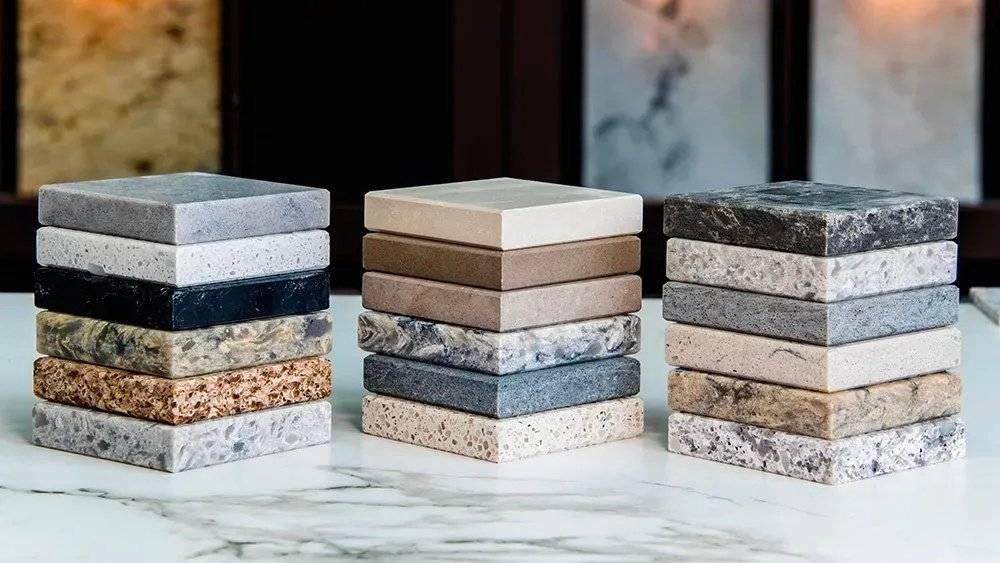
This 100-question stone knowledge quiz helps buyers, contractors, and maintenance teams check the basics before choosing stone materials, processing methods, installation details, or cleaning products. Focus first on stone classification, surface porosity, installation risk, and maintenance chemistry because those decisions affect staining, gloss loss, etching, and long-term floor care cost.
| Quiz section | What it helps you decide | Why it matters |
|---|---|---|
| Stone classification and selection | Granite, marble, limestone, quartz-based stone, slate, or artificial stone | Different materials react differently to acid, abrasion, moisture, and sealers |
| Processing and installation | Cutting, polishing, carving, paving, joint treatment, and installation quality | Early specification mistakes often become stains, cracks, lippage, or gloss problems |
| Stone maintenance | Cleaning, sealing, crystallization, stain removal, and restoration timing | Correct maintenance protects appearance and reduces expensive restoration work |
For practical maintenance guidance after the quiz, compare granite stain-removal methods and professional stone care chemicals.
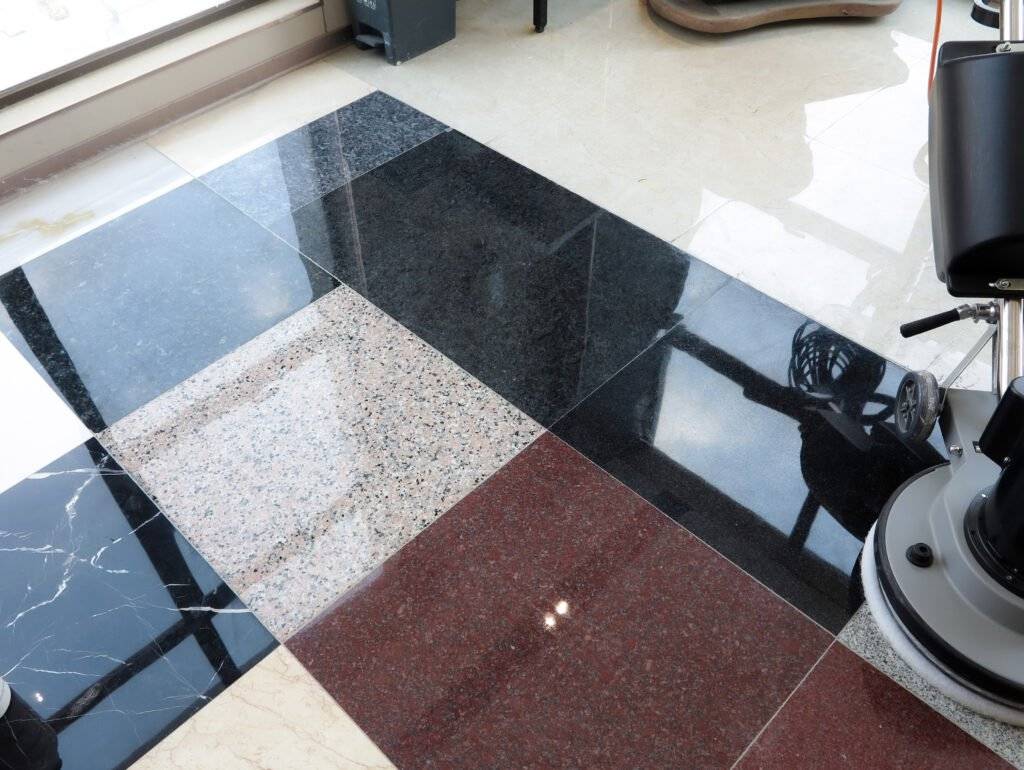
A 100-question stone knowledge quiz is most useful when the score turns into a practical next step. Use the result to identify whether the weak area is stone identification, cleaner selection, installation risk, polishing and crystallization, stain treatment, or daily maintenance planning.
| Quiz result pattern | Likely knowledge gap | Action after the quiz | Helpful evidence to review |
|---|---|---|---|
| Missed stone classification questions | Natural stone type, hardness, porosity, and acid sensitivity are not yet clear. | Review stone identification before choosing cleaners, sealers, or restoration chemistry. | Stone name, finish, absorption behavior, and reaction to safe test-area inspection. |
| Missed cleaner and maintenance questions | The difference between pH-neutral cleaning, alkaline degreasing, acidic treatment, and rinsing may be unclear. | Build a cleaning decision tree by stone type, soil source, and recovery method. | Cleaner label, dilution, dwell time, brush or pad type, and dry-surface residue check. |
| Missed polishing or crystallization questions | Routine gloss maintenance is being mixed with honing, grinding, crystallization, or restoration. | Separate the maintenance goal from the restoration goal before choosing equipment or chemicals. | Scratch depth, gloss variation, stone type, machine path, and prior chemical history. |
| Missed stain or protection questions | Stains, etching, moisture, sealing, and enhancer decisions may be grouped together too broadly. | Identify the defect first, then decide whether cleaning, poultice, sealing, or restoration is appropriate. | Stain source, timing, moisture signs, sealer history, and photos under angled light. |
If the quiz is being used for team training, record which sections produced the most missed answers and connect them to operating procedures. Related reading includes industrial stone floor cleaning, stone floor cleaning machines, and marble crystallization powder guidance.
A stone knowledge quiz is most useful when the score leads to a practical next step. A buyer who misses questions about porosity, acid sensitivity, traffic level, or wet-area exposure may not need another decorative stone quiz first; they need a clearer maintenance path before stone selection becomes a stain, etch, gloss, or slip-resistance problem. Use the quiz result to decide whether the project needs stone protection, marble crystallization, routine cleaning equipment, or a deeper professional stone maintenance review.

| Quiz result signal | Risk behind the answer | Next product or guide path |
|---|---|---|
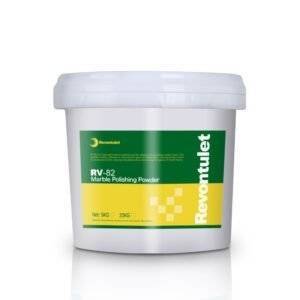
| Low confidence on marble, limestone, acid sensitivity, or gloss loss | Acid-sensitive stones can etch quickly, and the wrong polishing chemistry may create uneven shine. | RV-82 Marble Polishing Powder, the marble crystallization powder guide, and RV82 TDS. |
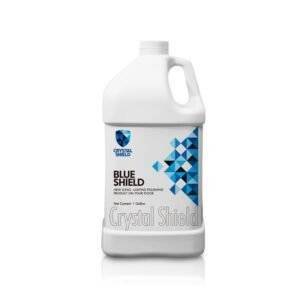
| Weak answers on porosity, stain prevention, exterior exposure, or wet areas | Unprotected stone can absorb water, oil, pigments, salts, and daily cleaning residue before damage is visible. | Blue Shield, stone protection guidance, and the stone enhancer buying guide. |
| Confusion about daily floor care, machine cleaning, or traffic frequency | A correct stone choice can still fail visually if grit, dirty water, and poor recovery cycles stay on the surface. | P50 Walk-behind Scrubber Dryer and stone floor cleaning machine selection. |
| Mixed answers across installation, restoration, and maintenance sections | The job likely needs diagnosis before choosing a powder, sealer, enhancer, scrubber, or polishing-machine route. | Professional marble floor maintenance for a condition-first workflow. |
For a high score, use the article as a checklist before specification or maintenance training. For a medium or low score, mark the missed topics and connect them to the right stone care decision: identify the stone, confirm porosity and acid response, decide whether protection or enhancer is needed, then choose cleaning equipment or marble crystallization only after the surface condition is clear.
Q: How are stones classified?
A: The American Society for Testing and Materials classifies natural facing stones into six major categories: Granite, Marble, Limestone, Quartz-based stone, Slate, and other stones.
Q: How are natural decorative stone varieties named?
A: Natural decorative stones are named based on their color patterns, texture features, and place of origin, reflecting their decorative nature and natural origin. Thus, some stone names are quite poetic, such as “Origin of Life,” “Ink Charm,” “Golden Spider,” and “Buddha’s Light.”
Q: Are stone names related to their place of origin?
A: Generally, yes. Most stone names are related to their place of origin, for example, Indian Blue comes from India, Brazilian Black from Brazil. However, there are exceptions, such as British Brown, which comes from India, and French Beige, which is from Indonesia.
Q: What are the main mineral components of stones?
A: Stones are composed of various minerals, which are stable natural products formed by chemical elements in the Earth’s crust through geological processes.
Q: What is stone raw block?
A: Stone raw block refers to processed rough blocks with certain specifications, used for manufacturing facing slabs.
Q: What is granite?
A: Granite mainly consists of quartz, feldspar, and mica. Feldspar content ranges 40%-60%, quartz 20%-40%. Its color depends on the type and quantity of these components. Granite is a fully crystalline rock with fine and uniform grains, dense structure, high quartz content, and bright feldspar luster.

Q: What are the characteristics of granite?
A: Hard texture, wear-resistant, corrosion-resistant, strong with low breakage, high specific gravity. Its color and pattern are generally uniform and regular, weak water absorption, difficult to process but good gloss.
Q: How is granite commonly used?
A: Based on grain size: fine grains for polished decorative slabs or artworks; medium grains for bridge piers, dams, harbors, foundations, pavement; coarse grains crushed for high-quality concrete aggregate. It is also acid-resistant for chemical and metallurgical linings.
Q: What are the main minerals in marble?
A: Marble is a metamorphic carbonate rock mainly composed of calcite, limestone, serpentine, and dolomite, with calcium carbonate over 50%, plus magnesium carbonate, calcium oxide, manganese oxide, and silica.
Q: What is water-washed stone?
A: Also called water-rinsed surface, created by spraying high-pressure water to erode softer parts of the stone surface, forming a natural rough texture. Sometimes abrasives like river sand or diamond sand are added for texture effect.
Q: What is natural decorative stone?
A: Natural rock with block size, strength, stability, machinability, and decorative properties.
Q: What do “mashi” (麻石) and “yunshi” (云石) refer to?
A: Granite is commonly called “mashi” and marble “yunshi” in Chinese.
Q: What is artificial stone?
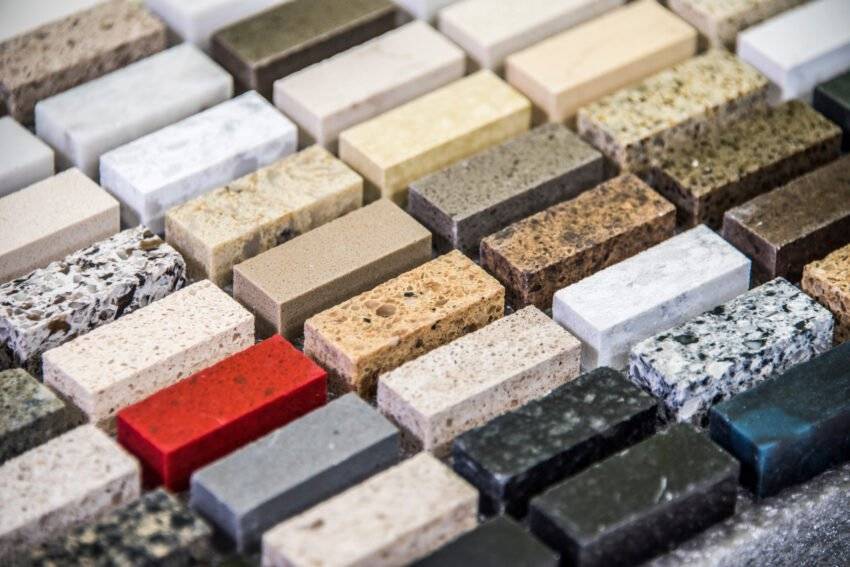
A: Artificial stone is made from synthetic mixtures like resin, cement, glass beads, aluminum powder, and crushed stone adhesives, processed by unsaturated polyester resin mixed with fillers and pigments.

Q: What is the difference between quartz stone and quartzite?
A: Quartz stone is a man-made product with over 93% quartz content; quartzite is a natural metamorphic rock formed from quartz sandstone or siliceous rock.
Q: What is limestone?
A: Limestone is a carbonate rock primarily composed of calcite, sometimes containing dolomite, clay minerals, and debris minerals, with gray, yellow, and brown colors, low hardness, and reacts violently with dilute hydrochloric acid.
Q: What are the five major natural stone classification codes?
A: (1) Granite — G (2) Marble — M (3) Limestone — L (4) Sandstone — Q (5) Slate — S
Q: Are mosaic products all made from edge or waste materials?
A: For large production volumes, edge or waste materials cannot meet supply needs; thus, large or raw blocks are necessary for stable supply.
Q: What are the standard mosaic product categories?
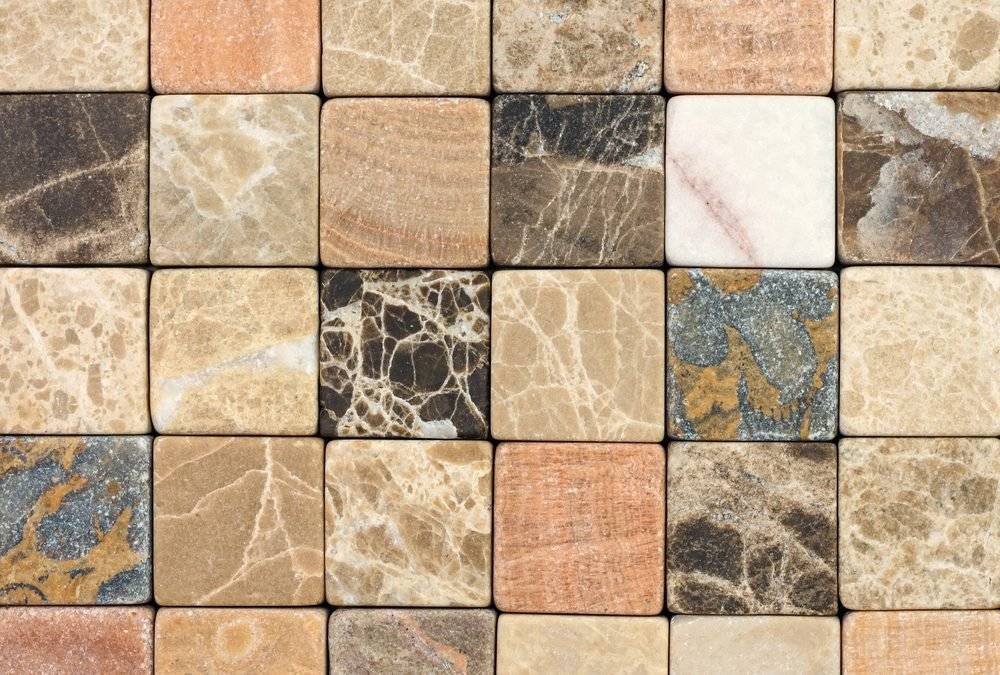
A: Six types: molded mosaic, small-particle mosaic, 3D mosaic, fractured surface mosaic, mosaic carpet, and castle bricks.
Q: Besides marble and granite classifications, is there a design-based classification?
A: Yes, by color series: white, beige (yellow), gray, blue, green, red, brown, black, and a special class of vividly colored stones difficult to categorize.
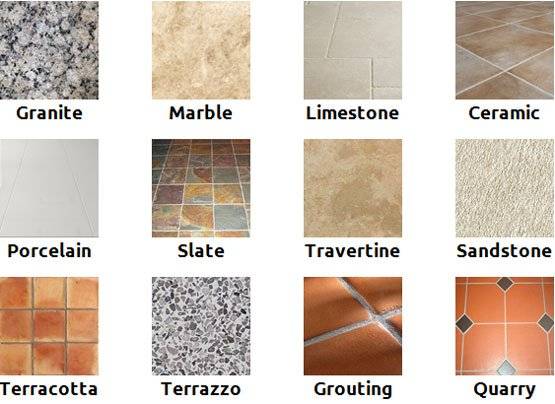
Q: Is granite suitable for outdoor use?
A: Yes, due to its low water absorption, acid and weather resistance, granite is suitable for outdoor architecture.
Q: How to distinguish artificial stone from natural stone?
A: (1) Artificial stone lacks natural variability despite many patterns; (2) most artificial stones have mold patterns on the back; (3) bubbles often appear in artificial stone.
Q: What advantages does stone decoration have over ceramics?
A: (1) Natural and low-carbon environmentally friendly, no polluting firing processes; (2) Unique natural textures without artificial marks; stone is increasingly used in home decor as living standards improve.
Q: What are the features of marble and granite?
A: Marble: mesh-like grains, soft texture, poor strength, easy to crack, absorbent, easy to process, prone to fading, complex and variable patterns.
Granite: granular texture, hard, strong, resistant to cracking, low absorbency, hard to process, long-lasting gloss, uniform and regular patterns (some exceptions).
Q: How are stone quotes calculated?
A: Stone quotes are typically for rough slabs, based on specifications and yield rate. Small area purchases: calculated by adding 30% waste to customer dimensions, not actual area. Large area purchases: quoted per net square meter without waste. Wholesale: sold in bundles by volume, no retail.
Q: What is the lifespan of stone?
A: Natural stone lasts very long; outdoor dry-hung granite ~200 years, marble ~100 years, slate ~150 years. Indoor lasts longer—many Italian stone churches over 1,000 years remain stunning.
Q: What high-end stones are used in home renovations, and their pros/cons?
A: High-end options include jade series and luxury stones with varied patterns. Pros: rare, precious, unique, upscale, showcases designer skill. Cons: high price, limited availability.
Q: How to detect dyed stone?
A: (1) Unnaturally bright colors; (2) Dye layers visible at edges; (3) Poor quality, porous stone identifiable by tapping; (4) Lower gloss than natural; (5) Oil-coated has oily back; (6) Film-coated scratches easily under light; (7) Wax-coated melts under flame, losing shine.
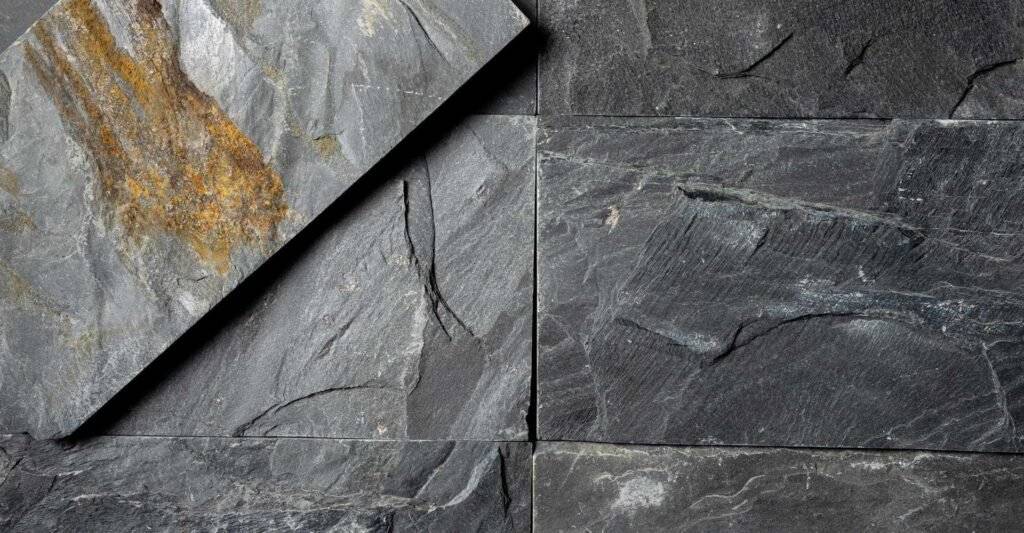
Q: Does marble have radiation?
A: All building materials have some radiation, but natural stone levels are very low. Over 99% of market marble meets national standards—no mandatory testing required.
Q: Can stone color depth indicate radiation levels?
A: No—deeper color does not mean higher radiation. Geological origin determines radioactivity, not color.
Q: Can natural decorative stone avoid color variation or spots?
A: No, as non-renewable natural products, variations are inherent. Perceptions have shifted—past “defects” now valued as features, like artistic flower grinding.
Q: Why can’t some stone varieties provide samples?
A: Luxury stones have unique, large-scale patterns; small samples don’t represent full slabs. Request high-res full-slab photos instead.
Q: What stones for bathroom flooring?
A: Marble, granite, quartzite suitable for installation.
Q: Precautions for stone in bathrooms/toilets?
A: (1) Use wet-dry separation design. (2) Address water stains, urine scale, white haze, alkaline cleaners, bacteria, slipperiness.
Q: What are the main types of stone surface finishes?
A: Common surface effects include polished, matte, acid-washed, sandblasted, flamed, axe-chopped, lychee, hammered, brushed antique, mushroom, natural split, and special surfaces.
Q: What do 60-head, 70-head, 80-head mean for granite?
A: Refers to slab width (e.g., 60-head ~60cm wide, length variable). Rough polished slabs have slight excess for processing into finished 60cm high boards; same for 70/80-head. 750mm counts as 70-head with more waste.
Q: How are raw blocks classified by shaping method?
A: (1) Sawn blocks: all six faces sawn. (2) Split blocks: only some faces sawn.
Q: What factors affect stone processing?
A: (1) Hardness—higher means harder to process, more tool wear. (2) Mineral/chemical composition—e.g., high quartz/feldspar in granite. (3) Rock structure—uniform, fine, dense stones process easier.
Q: Why number stones?
A: (1) Eases processing; (2) aids identification; (3) simplifies on-site installation; (4) controls color variation, tracks vein direction.
Q: Why edge-grind stones?
A: Decorates side edges and corners for smooth transitions, using handheld grinders or manual electric edgers for visible edges.
Q: What are beveling bottom/surface for?
A: Ensures corner stones meet precisely at angles for stability and visual unity, using swing cutters with forward/back bevels per material.
Q: Difference between stone columns and arc panels?
A: Arc panels wrap column exteriors; stone columns are solid/hollow full cylinders or assembled.
Q: What is sandblasting processing?
A: Uses river/garnet sand instead of high-pressure water to create flat matte decorative surfaces.
Q: What are industrial specs for marble?
A: Raw blocks: rectangular parallelepiped shape, ≥100cm L, ≥50cm W, ≥70cm H. Uniform color/pattern; no defects per standards. Density ≥2.6g/cm³, absorption ≤0.75%, dry compression ≥20MPa, flexure ≥7.0MPa.
Q: How is natural marble used and its standards?
A: Fine texture, varied patterns/colors, easy to process/polish but softer/less wear-resistant than granite. For indoor floors/walls/windows/columns. Standards: JC79-84; sizes like 300-1220mm x 15-915mm x 8-20mm; popular 100-600×200-305×7-10mm.
Q: What products can stone make?
A: Vast range—anything wood can do, stone excels in hardness and grandeur.
Q: Physical specs for natural granite/marble?
| Type | Density (g/cm³) | Absorption (%) | Dry Compression (MPa) | Flexure (MPa) |
|---|---|---|---|---|
| Granite | ≥2.56 | ≤0.60 | ≥100 | ≥8.0 |
| Marble | ≥2.60 | ≤5.0 | ≥50 | ≥7.0 |
Q: What is electrolytic stone?
A: Color-altered stone heated in furnaces to change hue; some need chemical protection for best results.
Q: Types of natural stone sinks?
A: (1) By material: granite, marble, sandstone, limestone, jade. (2) Installation: pedestal, countertop (above/below), wall-hung. (3) Faucet holes: no/single/3 holes. (4) Use: bath, kitchen, laundry.
Q: What is fixed-thickness for?
A: Uniforms varying slab thickness for key areas like wall corners/caps to avoid waves/unevenness. Post-process: no chips, straight edges, consistent dimensions.
Q: What are the two types of stone carving techniques?
A: Stone carving techniques can be divided into two types: bas-relief carving, which is done on a flat stone slab, and sculpture carving, where a stone block is carved into a three-dimensional statue or figure.
Q: What are the two kinds of stone carving?
A: Generally, there are two kinds: round sculpture carving and bas-relief carving. Bas-relief is done on stone slabs, while sculpture carving turns stones into statues or figures.
Q: What quality requirements does stone carving craftsmanship have?
A: The stone should have a dense structure, uniform grains, no easy flaking, no cracks or inclusions. The color, pattern, block size, and shape must meet the design requirements. Typically, the block volume should exceed 0.15m³. For outdoor use, the surface need not be fresh but must be weather-resistant and have low water absorption.
Q: What kind of marble is used for craftsmanship carving?
A: Marble for carving must be dense, uniform-grained, non-flaking, crack-free, inclusion-free, with suitable color, pattern, block size, and shape, generally above 0.15m³. Outdoor marble must also be weather-resistant and have low water absorption.
Q: What is the workflow for stone waterjet inlay?
A: The process includes: creating drawings, making templates (programming the cutting), selecting and cutting materials, test inlay, bonding and splicing, reinforcement with mesh and glue, leveling, grinding and polishing, surface finishing, inspection, numbering, and packaging.
Q: What is waterjet cutting technology?
A: Waterjet cutting can achieve processing that other methods cannot, such as drilling titanium or cutting intricate patterns on stone or glass. It cuts without heat, using a supersonic water jet mixed with sand, improving cutting efficiency without thermal damage.
Q: What is stone inlay?
A: Stone inlay is an artistic technique replacing paint with natural stone to create beautiful natural stone pictures. It uses the unique colors, textures, and materials of natural stone combined with artistic design. Stone inlay is an evolution of mosaic craft, combining mosaic techniques with new processing technologies into innovative stone products.
Q: What is stone molding (flower line)?
A: Shaped stone moldings are used as edges on door/window frames, handrails, countertops, eaves, corners, waistlines, baseboards, serving both practical and aesthetic purposes. Usually made from natural marble or granite blocks, processed into single or multiple joined pieces forming continuous stone lines. Some are molded from artificial stone using molds.
Q: What are the steps for dry-hanging stone?
A: 1. Weld frame per drawings (backplates, horizontal/vertical keels, connectors). 2. Order stone based on frame. 3. Unload processed stone with forklift. 4. Prepare hangers, marble glue, AB glue, wrenches, cutters; use T-hangers for middle stones (4 per single slab, 6 for two sharing middle T). 5. Seal with silicone or weatherproof sealant (indoor/outdoor).
Q: What precautions for stone installation?
A: (1) Light stones need white cement/sand; dark use regular cement; wood base needs silicone. (2) Door sills with tiles or before door frames; window sills before final putty; countertops later.
Q: Does dry-hanging stone have max load capacity?
A: Typically 30mm thick, varies by area, material, keel design. Below 25mm, add back strips and slots to reach 30mm+.
Q: Precautions for countertop stone installation?
A: Avoid gluing splash guards (short lifespan, liquid exposure causes failure). Use glue + stainless hangers to transfer weight to frame. Seal stone-counter with weatherproof sealant to protect marble glue.
Q: What qualities for excellent installers?
A: (1) Blueprint reading; (2) professional training; (3) accumulated experience.
Q: How to anti-slip stair treads?
A: Add anti-slip devices, roughen surface, or groove cuts.
Q: Common marble installation methods?
A: Dry-hanging, gluing, wet pasting.
Q: What is dry-hanging stone process?
A: 1. Fix stone via metal hangers to main structure points forming curtain walls. 2. Shear walls: expansion bolts/pre-buried irons. Frames/light walls: metal frames (steel cheaper but needs galvanizing; aluminum thicker/costlier).
Q: Main advantages of stone dry-hanging?
A: (1) Prevents hollowing/cracking/falling vs. wet paste, boosts safety/durability. (2) Avoids whitening/discoloration for clean aesthetics. (3) Improves worker conditions, reduces labor, speeds progress.
Q: Materials for waterproof/anti-fouling bathroom shower floors/sinks?
A: Minimize porous stone, add anti-slip. Six-side protection with penetrating sealants maintains waterproofing, stain resistance, wear, and breathability.
Q: Main drawbacks of traditional wet pasting?
A: 1980s method (steel mesh, copper wire, layered cement mortar) causes efflorescence (whitening), water stains, discoloration, hollowing, cracking, falling from temperature changes.
Q: How control color variation/spots in large areas?
A: (1) Same quarry stone. (2) Color match before big cuts. (3) Bridge saw matching. (4) Defect screening. (5) Pre-install site check. (6) Numbered installation.
Q: Solutions for outer wall base water stains/pollution?
A: (1) Dry drainage. (2) Airtight injection protection. (3) Dark stone design.
Q: How verify stone fixer strength?
A: (1) Strength calculations. (2) Load tests. (3) Anti-corrosion surface treatment.
Q: Round column stone: square or round structural column?
A: Depends on processing: (1) Shaped stone—square easier. (2) Arc—round easier. (3) Linings—round easier.
Q: Natural stone slab categories by thickness?
A: Regular (20mm national standard), thin (10-15mm), ultra-thin (<8mm for weight-saving), thick (>20mm for load-bearing floors/walls).
Q: Home vs. hotel spiral staircase differences?
A: (1) Home: smaller radius, more twist, harder processing. (2) Irregular home construction, measurement errors. (3) Small home teams lack skills, rely on factory layout (high risk). (4) Simple home railings. (5) Hotels easier overall.
Q: Requirements for stone finish gloss/cleanliness?
A: Pre-confirm gloss. Post: (1) No visible scratches. (2) Clean, no attachments. (3) Uniform light refraction at angles.
Q: Overcome white/light stone pollution/discoloration limits?
A: (1) Dry methods. (2) High placement. (3) Thicker stone. (4) Protective treatments.
Q: What is a stone column?
A: Solid/hollow decorative columns from marble/granite: Roman, plum blossom, twisted, balustrade, carved, multi-edged; single/multi-color; uniform taper/drum shapes.
Q: Why layout stone?
A: Optimizes decoration despite natural variations/defects. Arrange per drawings (plans, elevations, floors) for site preview/adjustments.
Q: Sequence for stone with windows/glass/metal curtains?
A: Soft before hard: stone first, then frames/glass/metal.
Q: What is stone protection?
A: Stone protection applies agents via brushing, spraying, rolling, pouring, or soaking to form a barrier on or in the stone, providing waterproofing, stain resistance, acid/alkali durability, anti-aging, freeze-thaw resistance, and biological protection, extending lifespan and aesthetics.
Q: What is a stone protectant?
A: Solutions preventing efflorescence, water spots, rust; reduce absorption, boost stain/erosion resistance. Active ingredients penetrate, bond with crystals post-evaporation, blocking pollutants.
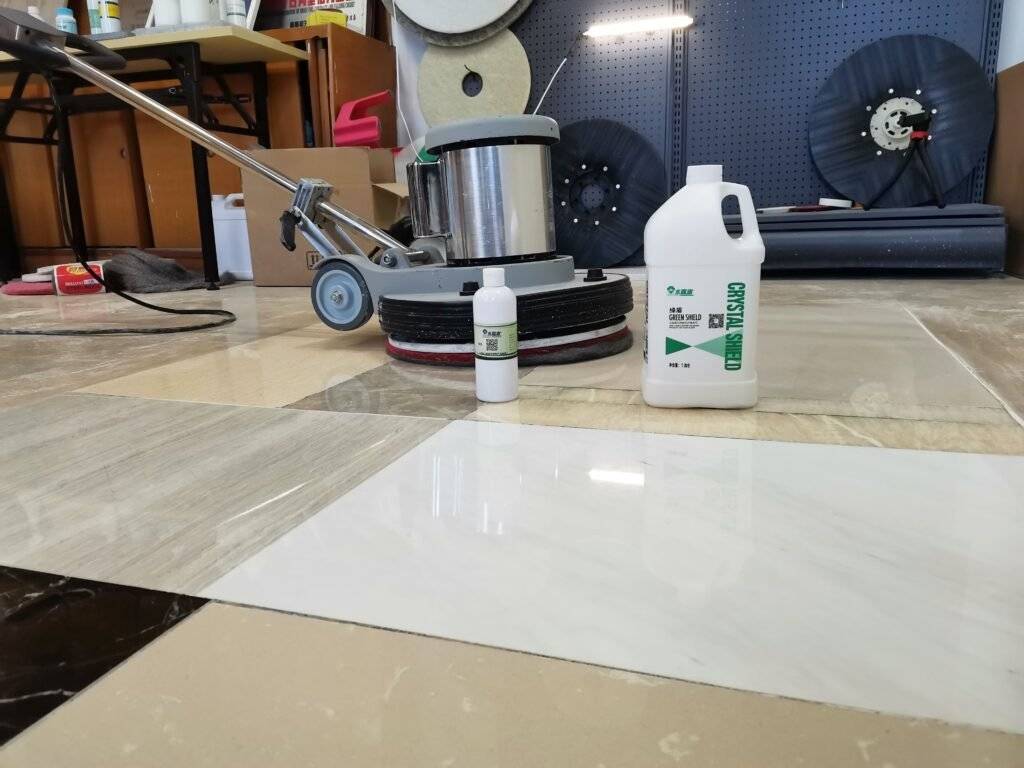
Q: How to maintain marble furniture?
A: Porous material; use minimal water, mild detergent on damp cloth, dry/polish. Severe wear: steel wool then polish with machine, or liquid cleaner. Lemon/vinegar for stains (1-2 min max), repeat if needed. Light scratches: marble cleaner. Oil: ethanol/acetone/lighter fluid, rinse dry. Cigarette/coffee burns: professional repair.
Q: Purpose of decorative stone maintenance?
A: Enhances durability, keeps new look; adds anti-slip, hardens surface, boosts shine/wear resistance.
Q: Why does stone efflorescence occur?
A: Common post-wet pasting from alkaline bonding materials. Dry-hanging avoids it and water spots.
Q: What are stone water spots?
A: Alkaline moisture seeping from base, forming persistent wet marks—hard to remove.
Q: What is stone efflorescence?
A: Alkaline moisture evaporates, leaving white crystals—difficult to fully eliminate.
Q: How to remove color stains in marble?
A: Construction spills react chemically with metals, forming stubborn black. Renew by grinding/polishing.
Q: Is waxing effective for stone protection?
A: Once common for floors but limited durability, poor stain resistance, attracts dust. Blocks breathability, traps moisture causing damage—avoid.
Q: Mohs hardness scale in stone reports?
A: 10 levels: 1-Talc; 2-Gypsum; 3-Calcite; 4-Fluorite; 5-Apatite; 6-Orthoclase; 7-Quartz; 8-Topaz; 9-Corundum; 10-Diamond.
Q: How to extend home stone lifespan?
A: (1) Choose cleaners carefully. (2) Avoid casual waxing. (3) Prevent prolonged dampness. (4) No rugs on stone.
Q: Why do rust spots appear on stone?
A: Iron in stone oxidizes with water/oxygen.
Q: What is natural stone water absorption rate?
A: Capacity to absorb water under standard pressure, measured by weight %—higher means poorer performance.
Q: What is stone gloss level?
A: Reflection of visible light: Good (>80°), Average (70-80°), Poor (<70°). Polished granite >90°, marble ~80°; matte 10-40° for diffuse reflection.
Q: Common natural stone stains?
A: Water spots (alkaline base moisture), efflorescence (white crystals), rust (iron reaction), dirt (porous penetration from tea/oil).
Q: Daily stone care routine?
A: Factory six-side seal. Early years: dust/vacuum, wet mop; stone soap or water. Stains: specialized cleaners. If persistent: grind/polish, reseal.
 English
  Spanish