WELCOME TO KINGHOME
Get A Free Quote
We will get back to you within 8 hours

WELCOME TO KINGHOME
We will get back to you within 8 hours


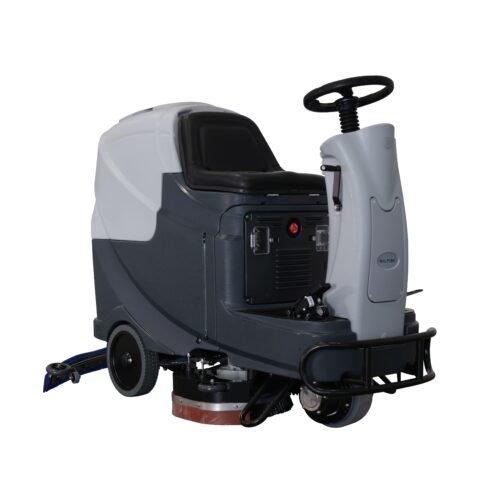


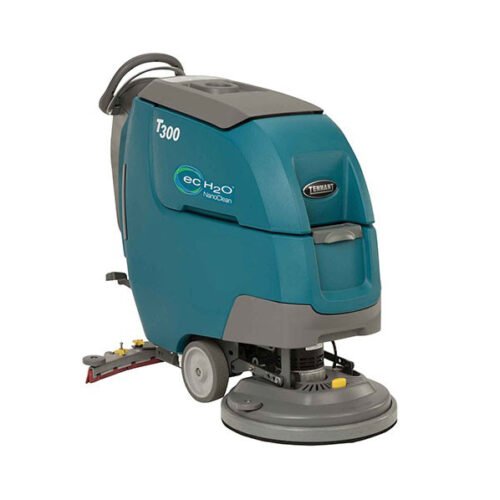

Floor cleaning machines handle the specialized demands of natural stone, engineered stone, and polished concrete surfaces in commercial environments. These rotary cleaning systems combine controlled brush pressure, adjustable water flow, and variable motor speeds to remove soil buildup while protecting the integrity of marble, granite, limestone, and terrazzo installations. Unlike general-purpose floor scrubbers, stone-specific machines account for surface hardness variations, chemical sensitivity, and finish preservation requirements critical to maintaining high-value flooring investments.
Choose a stone floor cleaning machine by matching the floor material, soil level, and maintenance goal. Scrubber dryers handle daily facility cleaning, single-disc machines support polishing and restoration prep, and compact extractors or pressure cleaners fit carpets, upholstery, outdoor areas, and detail cleaning.
| Cleaning job | Recommended machine type | Best-fit surfaces |
|---|---|---|
| Daily commercial floor cleaning | Walk-behind or ride-on scrubber dryer | Tile, concrete, terrazzo, sealed stone |
| Stone floor maintenance and polishing prep | Single-disc or multi-function floor machine | Marble, granite, terrazzo, artificial stone |
| Deep soil, carpet, or fabric cleaning | Spray extraction cleaner or wet/dry vacuum | Carpet, upholstery, entrances, wet pickup |
| Outdoor dirt and equipment washdown | Pressure washer or compact surface cleaner | Concrete, exterior tile, tools, vehicles |
For buyers comparing cleaning machine options, KingHome groups commercial scrubbers, polishers, vacuums, pressure washers, and compact cleaning equipment so facilities can match machine size, power, and workflow before requesting a quote.
When buyers compare stone cleaning machinery, the first decision is not brand alone; it is the floor material, soil load, water recovery need, and finish goal. A granite floor cleaning machine can usually use firmer brushes or diamond pads than a marble floor cleaner machine, while a marble floor cleaning machine needs gentler pressure, neutral chemicals, and careful slurry control to avoid dulling polished stone.
| Floor or site condition | Machine direction | Selection notes |
|---|---|---|
| Granite, terrazzo, or hard stone traffic lanes | Scrubber dryer, single disc machine, or multi-function floor machine | Use the correct brush or pad driver, match weight to the finish, and plan water pickup before polishing. |
| Marble, limestone, or sensitive natural stone | Low-speed stone floor cleaner machine with neutral cleaner and soft pad | Keep chemical strength and pad aggressiveness conservative before moving to restoration steps. |
| Slate, travertine, textured tile, or uneven joints | Stone floor scrubber machine with brush contact plus wet vacuum recovery | Brushes reach texture and grout lines better than flat pads, while wet pickup reduces residue. |
| Large commercial areas needing daily cleaning | Walk-behind or ride-on floor scrubber | The best stone floor cleaning machine is the one that balances productivity, tank capacity, turning radius, and safe surface pressure. |
Natural stone floor cleaning machines should be selected around the surface rather than a single generic specification. A slate floor cleaner machine or travertine floor cleaning machines may need brush contact for texture and pits, while a terrazzo floor cleaning machine often pairs daily scrubber dryer use with periodic single disc machine polishing. For wet entrances, slurry pickup, and deep cleaning residue, a wet vacuum can be as important as the cleaning machine itself.
For a fuller workflow, compare the stone floor cleaning machines guide, the granite and terrazzo floor cleaning machine guide, and commercial tile cleaning machines before choosing a floor cleaner machine package.
Commercial-grade equipment specifications typically range from 1.5HP to 4HP motor capacity with operating speeds between 175–200 RPM for cleaning applications and higher speeds for buffing operations. Multi-functional units accommodate interchangeable pad drivers, brush assemblies, and diamond abrasive systems to address everything from routine maintenance cleaning to aggressive restoration work. Tank capacities, cord lengths, and machine weights vary by model to match facility requirements—compact 13-inch units serve tight spaces and smaller areas while 17–20 inch platforms deliver productivity gains in open commercial spaces including hotel lobbies, retail environments, healthcare facilities, and office buildings.
Professional stone care requires equipment engineered for the chemical compatibility and mechanical characteristics of natural stone surfaces. Quality machines incorporate features like adjustable handle positions for operator comfort during extended use, sealed motor housings to prevent water intrusion, and durable transmission systems designed for continuous commercial operation. Many facilities integrate these machines into comprehensive maintenance programs covering daily cleaning, periodic deep cleaning, and scheduled restoration cycles. Selection considerations include floor square footage, stone type and finish, soil loading patterns, available electrical infrastructure, and operator skill levels.
Floor cleaning machine applications extend across multiple commercial segments including hospitality properties with extensive marble lobbies, corporate office buildings with granite installations, retail centers, museums, government facilities, and stone fabrication operations. The equipment performs essential functions in preservation of high-traffic areas where appearance directly impacts customer perception and property value. Proper machine selection matched to specific stone types and maintenance requirements delivers measurable improvements in cleaning efficiency, labor productivity, and floor appearance while extending surface life through appropriate mechanical action and chemical application.
| Model | Motor Power | Operating Speed | Cleaning Width | Tank/Bin Capacity | Weight | Coverage Rate | Voltage |
|---|---|---|---|---|---|---|---|
| PUDU MT1 AI Robot Vacuum | Dual-motor system | 0.2-1.2 m/s adjustable cruise | 70cm (27.6") sweeping path | 35L dustbin | 65 kg (143 lbs) | 1,800 m²/h (standard) 6,000 m²/h (spot mode) | Battery 24V system |
| Kärcher BD 50/50 C Scrubber Dryer | 510W brush motor + vacuum motor | 180 RPM disc speed | 510mm (20") | 50L solution 50L recovery | 117 kg with batteries | 1,225 m²/h practical | 24V / 105Ah battery |
| Revontulet GS-20D Single-Disc | 1.5 kW (2 HP) | Dual-speed: Low / High | 508mm (20") disc | 18L solution tank (optional) | 52 kg operational | 600-900 m²/h | 220V single-phase |
| Kärcher Puzzi 8/1 Extractor | 1,200W turbine | 88" water lift 230 mbar vacuum | 280mm cleaning nozzle | 2.1L solution 1.8L recovery | 8.6 kg portable | 150 CFM airflow | 220-240V / 50-60Hz |
| Revontulet T-1 Polishing Machine | 2.2 kW (3 HP) | High-speed: 1,500-2,000 RPM | 510mm (20") pad | Dry operation | 55 kg with weights | 800-1,200 m²/h | 220V industrial |
Large Commercial Facilities (50,000+ sq ft):
PUDU MT1 delivers autonomous 24/7 operation with AI trash recognition and triple navigation (VSLAM + Marker + Lidar SLAM). Handles up to 100,000 m² with 4-8 hour runtime and 3-hour fast charging. IoT connectivity enables remote monitoring and automatic docking.
Daily Floor Scrubbing (Retail, Healthcare, Education):
Kärcher BD 50/50 C provides professional walk-behind scrubbing with dual 50L tanks, pad-assist drive, and three cleaning modes (normal/intense/vacuum-only). Home Base rail system allows quick tool attachment. 3-hour runtime per charge cycle.
Stone & Hard Surface Maintenance:
Revontulet GS-20D dual-speed single-disc scrubber handles marble, granite, terrazzo cleaning, grinding, and polishing operations. Adjustable speed accommodates different stone hardness levels. Compatible with diamond pads and abrasive discs for restoration work.
Carpet & Upholstery Deep Cleaning:
Kärcher Puzzi 8/1 compact extractor (only 8.6kg) features 1,200W turbine power, ergonomic short nozzle design, and minimal residual moisture for fast drying. Ideal for spot cleaning, vehicle interiors, hotel rooms, and upholstery maintenance.
Professional Stone Crystallization:
Revontulet T-1 high-speed polishing machine (1,500-2,000 RPM) delivers powerful marble and granite crystallization. Weighted design provides optimal pad pressure for high-gloss finishing. Stable operation during extended polishing cycles.
AI-Powered Autonomy (MT1): Visual trash recognition through deep learning, AI spot cleaning with 500% efficiency increase, seamless adaptation to dynamic facility layouts, 75cm narrow path clearance for versatile navigation.
Professional Scrubbing (BD 50/50 C): Pad-assist drive reduces operator fatigue, intuitive control panel with 3 cleaning programs, eco mode extends battery life, Home Base system streamlines accessory management.
Dual-Speed Versatility (GS-20D): Low speed for delicate stone polishing, high speed for aggressive cleaning and grinding, safety features prevent operator injury, handles wet and dry applications.
Compact Extraction Power (Puzzi 8/1): Exceptional 88" water lift, 150 CFM airflow, 14.5-43.5 PSI adjustable spray pressure, hand tool and floor nozzle included, quick-release tanks for fast refilling.
High-Gloss Performance (T-1): Professional-grade motor stability, compatible with crystallization powders and compounds, weighted ballast system for consistent pressure, designed for continuous commercial operation.
GET IN TOUCH
This product archive should help buyers route floor cleaning machines by job type before they compare individual models. GSC visibility for cleaning machine, stone cleaning machinery, granite floor cleaning machine, marble floor cleaning machine, and stone floor cleaning machine searches shows that many visitors are not ready for a single product yet. They need to decide whether the facility needs a walk-behind scrubber, ride-on scrubber, single-disc cleaning machine, spray extraction cleaner, pressure washer, or wet and dry vacuum.
| Search intent | Best archive direction | Selection check |
|---|---|---|
| Cleaning machine or floor cleaning machines | Start with scrubber dryers, compact floor washers, wet vacuums, and multi-function cleaning machines | Confirm floor area, soil load, water recovery, power supply, and operator route before comparing models. |
| Stone cleaning machinery or stone floor cleaning machine | Use a machine that can pair gentle mechanical action with stone-safe chemistry | Match brush or pad pressure to marble, granite, terrazzo, travertine, tile, concrete, or sealed stone. |
| Granite floor cleaning machine or marble floor cleaning machine | Choose controlled scrubber or single-disc workflows rather than aggressive pressure alone | Check sealer condition, gloss target, residue pickup, and whether polishing or crystallization is part of the work. |
| Heavy duty, alkali resistant, or chemical resistant cleaning machine | Look for tanks, seals, hoses, and recovery systems that can handle the planned cleaner | Separate daily neutral cleaning from grease removal, alkaline cleaning, and restoration support. |
For a product archive, the useful decision is not only the machine name. A scrubber dryer is strongest when dirty water recovery and daily facility workflow matter. A single-disc or multi-function machine fits stone care, polishing preparation, and controlled brush or pad work. Spray extraction cleaners support carpet, upholstery, entrance mats, and fabric areas. Pressure washers and surface cleaners belong to outdoor or equipment washdown tasks where splash, drainage, and substrate strength are already checked.
Related planning paths: use the stone floor cleaning machine guide for material-specific risks, compare floor scrubber vs buffer when the workflow mixes cleaning and polishing, review floor cleaning brush selection before ordering brush or pad parts, and browse machine category products when the archive shortlist is ready for model comparison.


u003cstrongu003eA: u003c/strongu003eThe choice depends on three key factors: u003cstrongu003efloor type, space size, and dirt/stain typeu003c/strongu003e:u003cbru003eu003cbru003eFor large, hard-surface areas (e.g., mall floors, warehouse concrete) with heavy dust/debris: Use a u003cstrongu003erider sweeperu003c/strongu003e (covers 1,500–3,000㎡/hour) or u003cstrongu003ewalk-behind sweeperu003c/strongu003e (for narrow spaces).u003cbru003eu003cbru003eFor oil or sticky stains (e.g., restaurant kitchens, factory floors): Opt for a u003cstrongu003elow-speed scrubberu003c/strongu003e (100–150 RPM) with heavy-duty brushes to deep clean.u003cbru003eu003cbru003eFor polished floors (e.g., hotel marble, office PVC): Choose a u003cstrongu003ehigh-speed burnisheru003c/strongu003e (1,000–3,000 RPM) to maintain shine, paired with a light-duty scrubber for daily cleaning.u003cbru003eu003cbru003eFor small or cluttered areas (e.g., retail aisles): A compact u003cstrongu003ehandheld steam cleaneru003c/strongu003e or u003cstrongu003ewalk-behind mini scrubberu003c/strongu003e works best—they navigate tight spaces easily.
u003cstrongu003eA: u003c/strongu003eReplacement frequency depends on u003cstrongu003eusage time and floor abrasivenessu003c/strongu003e:u003cbru003eu003cbru003eu003cstrongu003eScrubber brushesu003c/strongu003e: For daily use (8+ hours/day) on rough floors (e.g., concrete), replace every 3–6 months. For occasional use (2–3 hours/day) on smooth floors (e.g., tiles), they last 6–12 months. Check for bristle wear (e.g., flattened or broken bristles) monthly—worn brushes reduce cleaning power.u003cbru003eu003cbru003eu003cstrongu003ePolisher padsu003c/strongu003e: Wool or sponge pads for high-speed burnishers last 20–40 hours of use. Replace them when they lose fluff (wool) or develop tears (sponge), as worn pads cause streaks or uneven shine.
u003cstrongu003eA: u003c/strongu003eCommercial sweepers and scrubbers serve entirely distinct cleaning purposes, with key differences in function, working principles, and ideal use cases.u003cbru003eu003cbru003eSweepers focus on u003cstrongu003edry debris removalu003c/strongu003e: They use rotating brushes to loosen dust, dirt, or small particles (e.g., warehouse gravel, mall food crumbs) and a built-in vacuum system to collect them into a hopper—no water or detergent is used, leaving floors dry immediately. They’re ideal for dry, dusty areas like parking garages or logistics centers.u003cbru003eu003cbru003eScrubbers, by contrast, handle u003cstrongu003ewet stains and deep grimeu003c/strongu003e: They dispense water + detergent onto floors, use scrub brushes to break down oil, grease, or sticky spills (e.g., restaurant kitchen messes), and then suction the wastewater into a separate tank. This leaves floors clean u003cemu003eandu003c/emu003e dry, making them essential for food-processing plants or high-spill areas.u003cbru003eu003cbru003eIn short: Sweepers “pick up dry dirt,” while scrubbers “wash away wet stains”—they’re not interchangeable, but often used together for full commercial floor maintenance.
u003cstrongu003eA: u003c/strongu003eProper battery maintenance is key to extending lifespan (2–5 years) and ensuring consistent machine performance—focus on battery type, charging habits, and regular checks.u003cbru003eu003cbru003eFor u003cstrongu003elithium-ion (Li-ion) batteriesu003c/strongu003e (most modern sweepers/scrubbers): Charge immediately after use (don’t let them drain below 20%, as deep discharge damages cells) and unplug once fully charged (4–6 hours, avoid overcharging).u003cbru003eu003cbru003eFor u003cstrongu003elead-acid batteriesu003c/strongu003e (older models): Always charge to full capacity (8–10 hours) even for short use, and check water levels monthly—add only distilled water (never tap water) to cover battery plates.u003cbru003eu003cbru003eMonthly: Wipe battery terminals with a damp cloth to remove corrosion (prevents poor connectivity). Store machines in a cool, dry area (avoid u0026lt;0°C or u003e35°C) and never leave batteries idle for over 2 weeks—top up charge if unused.u003cbru003eu003cbru003eFollow the manufacturer’s guidelines for specific models, as improper care (e.g., mixing battery types) can cause leaks or machine failure.
u003cstrongu003eA: u003c/strongu003eFollow a tiered maintenance schedule:u003cbru003eu003cbru003eu003cstrongu003eDailyu003c/strongu003e: Clean brushes/pads, empty wastewater tanks, and wipe down the machine exterior.u003cbru003eu003cbru003eu003cstrongu003eWeeklyu003c/strongu003e: Check battery terminals, clean filters, and inspect hoses for cracks.u003cbru003eu003cbru003eu003cstrongu003eMonthlyu003c/strongu003e: Lubricate moving parts (e.g., brush motors, wheel axles) and test suction/power.u003cbru003eu003cbru003eu003cstrongu003eAnnuallyu003c/strongu003e: Schedule professional service (e.g., by the manufacturer) to inspect internal components (motors, pumps) and replace worn parts (e.g., belts, gaskets).Neglecting maintenance reduces efficiency and shortens machine lifespan (costly to replace).
 English
  Spanish