WELCOME TO KINGHOME
Get A Free Quote
We will get back to you within 8 hours

WELCOME TO KINGHOME
We will get back to you within 8 hours

Industrial stone floor cleaning starts with the stone, its finish, and the soil to be removed. Match the machine, brush or pad, cleaner, and dirty-water recovery to those conditions. Routine scrubbing removes soil; it does not repair etching, deep scratches, or worn polish. Test the complete cleaning setup on a small area before treating the full floor.
| Cleaning task | Machine direction | Chemical and surface check |
|---|---|---|
| Large-area routine cleaning | Walk-behind scrubber, single-disc machine, or wet vacuum workflow depending on area size and soil load | Confirm the stone type before choosing acidic, alkaline, or pH-neutral cleaner chemistry. |
| Polished-stone maintenance | Soft brush or pad approved for the stone finish; controlled pressure for routine maintenance | Use a pH-neutral cleaner approved for the stone and any sealer or coating at its labelled dilution. |
| Granite with greasy soil | Scrubber or rotary machine selected after checking finish, joints, sealer, and a test area | Heavy grease may need an alkaline cleaner, followed by thorough rinsing to prevent residue haze. |
| Machine procurement | Choose by floor area, edge access, water pickup, pad pressure, and operator control rather than brand name alone | Test the cleaner and pad on a small area before scaling to the full facility. |
For procurement, describe the floor before asking for a machine quotation: marble or granite, polished or honed finish, total square footage, daily traffic, soil type, available water recovery, and whether the site needs routine maintenance or restoration support. That context helps separate a stone floor scrubber machine from a polishing machine, a wet vacuum package, or a chemical-only maintenance plan.
Related planning paths: compare floor cleaning machine options, match daily work with the stone floor cleaner archive, and review floor scrubber brush selection before specifying brushes or pads for sensitive stone.

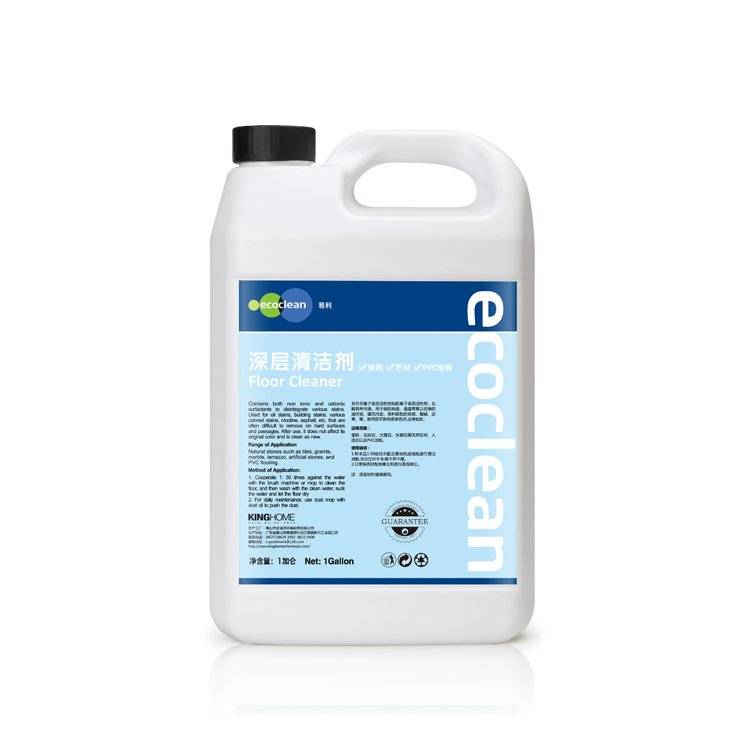
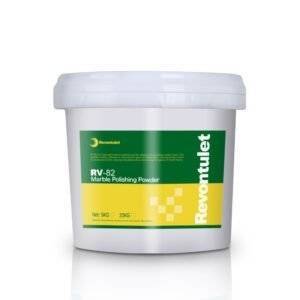
| Industrial stone condition | System decision | Product or guide path |
|---|---|---|
| Daily soil on granite, terrazzo, or mixed commercial stone | Use a stone floor cleaning machine with controlled pressure, low-foam cleaner, reliable water recovery, and a brush or pad matched to finish risk. | P50 Walk-behind Scrubber Dryer and stone floor cleaning machines. |
| Heavy grime, oily traffic lanes, or residue after poor cleaning | Use stronger cleaner chemistry only after confirming the stone can tolerate it, then rinse thoroughly before judging gloss or sealer condition. | Floor Deep Cleaner and granite and terrazzo floor cleaning machines. |
| Marble, limestone, or travertine with haze or etching risk | Keep daily maintenance pH-neutral and avoid aggressive acidic or alkaline cleaner use unless the problem has been diagnosed. | brush and pad selection plus professional marble maintenance. |
| Clean floor still looks dull after residue removal | Separate cleaning from restoration. If the surface is clean but gloss is lost, assess the damage and compatibility before choosing polishing or crystallization. | RV-82 Marble Polishing Powder, RV82 TDS, and the marble crystallization powder guide. |
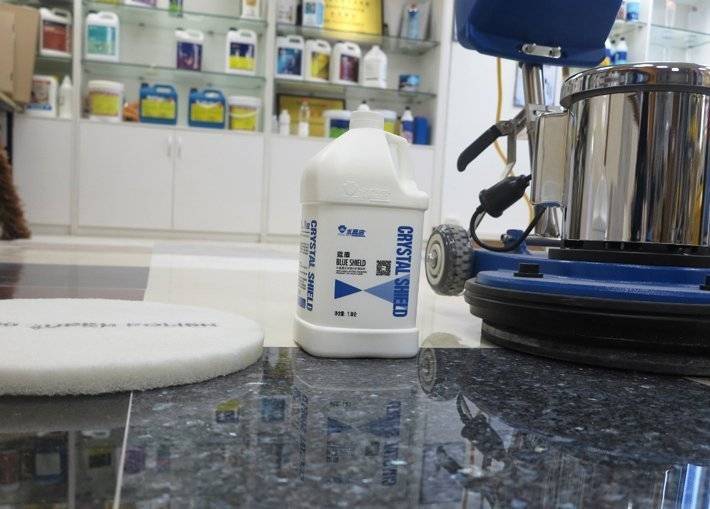
| Stain, moisture, or recurring contamination after cleaning | Diagnose recurring contamination and moisture before deciding whether a compatible sealer is appropriate after cleaning and drying. | Crystal Shield stone protection. |
For daily maintenance, start with a stone-compatible pH-neutral cleaner at its labelled dilution. Grease may need an alkaline cleaner approved for the stone and any sealer or coating. Acidic cleaners can attack marble, limestone, travertine, cement-based terrazzo, and cementitious grout; they are not a routine stone-cleaning option. Consider a specialist mineral-deposit remover only when its manufacturer confirms compatibility with the full installed surface.
| Cleaning need | Recommended chemistry | Stone safety note |
|---|---|---|
| Daily commercial stone maintenance | pH-neutral cleaner | Choose a product approved for the stone and any coating; neutral pH alone does not establish compatibility. |
| Grease, oil, food soil, and industrial residue | Alkaline cleaner | Confirm stone and finish compatibility; follow the labelled rinse and recovery method. |
| Rust, mineral scale, grout haze, and cement film | Acidic cleaner | Specialist use only after checking the whole installation; avoid acid-sensitive stone, cement-based terrazzo, and cementitious grout. |
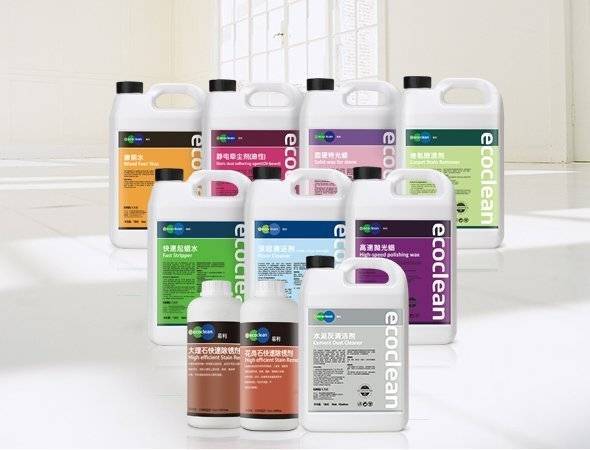
Walk through any commercial building and you’ll encounter marble in the lobby, granite in high-traffic corridors, and limestone in executive suites. Each material presents distinct chemical vulnerabilities that dictate compatible cleaning formulations.
Marble, limestone, travertine, and calcareous onyx contain acid-sensitive carbonate minerals. Acid exposure can remove material from the surface and cause dull patches known as etching. Etching is surface damage rather than dirt, so stronger cleaning will not restore the lost polish.
Acidic food and drink spills can etch susceptible stone, as can incompatible cleaning products. Blot spills promptly and follow the stone supplier’s cleaning instructions. A sealer does not make carbonate stone resistant to acid etching.
Siliceous stones such as many granites generally resist acids better than carbonate stones, but that does not establish cleaner compatibility. Mineral inclusions, resins, grout, sealers, and adjacent metal can still be affected. Stone hardness alone is not a test of chemical resistance.
For mixed-stone buildings, record the stone and finish in each area and use approved maintenance products for each zone. A pH-neutral stone cleaner can be a useful starting point, but pH alone does not confirm that a formulation is suitable for every surface.
Some acidic cleaners remove particular mineral deposits, cement haze, or rust, but the product must suit both the deposit and the installed surface. Different stains need different treatments; a generic acid wash is not a diagnosis.
White deposits may come from mineral-rich water, construction residue, or moisture carrying salts through the floor. Identify the deposit and any continuing moisture source before selecting a remover. Repeated chemical treatment cannot correct a leak or moisture migration.
Do not assume that granite, slate, basalt, tile, or grout is acid-resistant as a complete installation. Check the cleaner’s technical instructions and the flooring supplier’s guidance, including effects on sealers, resins, joints, and adjacent materials. Trial any approved treatment in a discreet area before wider use.
Do not use general acidic cleaners on marble, limestone, travertine, calcareous onyx, or marble-chip and cement-based terrazzo. Specialist stone polishing products may use controlled chemistry for restoration; their application instructions must not be treated as permission to acid-wash the floor.
Alkaline cleaners can help remove greasy and oily soil through a combination of alkalinity, surfactants, and other formulation ingredients. Choose a product intended for the identified soil and surface rather than selecting it by pH alone.
Alkaline cleaners are not universally safe for stone. High alkalinity, solvents, or other ingredients may affect sealers, coatings, resins, and nearby materials. Confirm compatibility, use the labelled dilution, and test the floor before deep cleaning.
Cleaner and soil left behind after scrubbing can cause haze, tackiness, or rapid resoiling. Use controlled solution flow, recover the dirty liquid, and rinse as directed by the product instructions. Do not let cleaning solution dry on the floor unless the specified process requires it.
A pH-neutral cleaner is not a chemical neutralizer. After alkaline cleaning, use the manufacturer’s specified rinsing and recovery method; do not add acid to neutralize the floor or mix cleaning products. Check the dry surface for residue before returning the area to service.
Use water temperatures permitted by both the cleaner label and the machine manual. Do not assume that hotter water is always suitable for the floor, its finish, or the equipment.
Schedule deep cleaning according to soil accumulation and the floor’s condition. Daily cleaning may need a different product or method from periodic degreasing. Adjust dilution and agitation within the approved instructions rather than increasing chemical strength automatically.
A stone-compatible pH-neutral cleaner is a common choice for routine maintenance, but neutral pH does not guarantee freedom from residue, slip risk, or finish damage. Check the intended surface, dilution, low-foam suitability for scrubbers, and rinsing instructions.
For light soil in smaller or obstructed areas, a clean microfiber mop and controlled application of an approved cleaner may be practical. For larger areas, a scrubber dryer can combine agitation and recovery. Avoid flooding joints or porous areas, and keep soiled tools and solution from spreading dirt to cleaned zones.
Change or launder mop pads when soiled and follow the pad supplier’s care instructions. Set the change frequency from the actual soil load rather than a fixed floor-area allowance.
Evaluate a scrubber on the actual route, including corners, refilling, recovery, and cleanup. Published theoretical coverage does not establish the usable cleaning rate in a furnished or occupied facility.
Compare methods using the same route and cleanliness standard. Record usable floor area, setup and cleaning time, refilling and recovery time, chemical use, pad or brush wear, and any repeat work. Include equipment service and downtime when estimating total cost. Treat a supplier’s coverage figure as a starting point to verify, not a guaranteed saving.
Etching can appear as dull or rough patches, while residue may also cause haze. Clean a small test area with the approved maintenance method and inspect it when dry. If the mark remains, assess whether it is etching, wear, staining, or a coating problem before choosing a restoration treatment.
Light etching may respond to a marble polishing product approved for the specific stone. Follow its technical instructions for pad, machine, water, working area, and residue removal. Do not infer a universal recipe, machine speed, or expected gloss recovery from another product.
Deeper etching, scratches, or unevenness may require professional honing and polishing. Tooling and grit progression depend on the damage, stone, and target finish. Trial the process and agree the appearance standard before working across the floor.
Prevention includes clearly labelled products, a record of approved cleaners for each zone, staff training, and prompt spill response. Check the full product specification; pH testing alone cannot establish compatibility or verify correct dilution.
Dark grout can result from embedded soil, cleaner residue, staining, moisture, or damaged grout. Tackiness may suggest residue, but touch and a pH strip do not prove a single cause. Compare a small cleaned and dried test area with the surrounding joints.
Use a cleaner approved for both the grout and adjacent stone, allow only the labelled contact time, agitate with a suitable brush, and recover the dirty solution. Rinse as directed without flooding the installation. If discoloration remains, reassess the cause before using stronger chemistry.
Inspect brushes, pads, recovery performance, solution dilution, and mop cleanliness when discoloration returns. Set the next deep-cleaning interval from observed conditions rather than a promised period of stain-free service.
White powdery deposits on stone or grout may be efflorescence: soluble salts carried to the surface by moisture. Distinguish these deposits from cleaner residue or other surface contamination before treatment.
Efflorescence is a symptom, not a standalone problem. The salts originate from stone, mortar, concrete substrates, or groundwater, transported to surfaces by moisture movement. Until facilities identify and correct the moisture source, efflorescence will recur regardless of cleaning frequency or chemical selection.
Moisture assessment may require a flooring professional. Surface observations and handheld meters can help locate patterns, but there is no universal stone moisture percentage that establishes the source or suitability for sealing. Use a test method appropriate to the installation and the proposed product.
Common moisture sources include plumbing leaks (often hidden in walls or subfloors), HVAC condensation, exterior water intrusion through walls or failed waterproofing, poor subfloor drainage, and capillary moisture rise in below-grade installations. Facilities must locate and repair these sources before addressing the visible efflorescence. Otherwise, chemical cleaning provides only temporary cosmetic improvement while moisture continues introducing new salt deposits.
After the moisture source is addressed, choose deposit removal for the identified stone and salt type. Begin with dry removal where appropriate. Do not assume a fixed drying period or apply acidic treatment merely because the floor is described as granite or slate.
For marble, limestone, and other acid-sensitive installations, avoid general acidic deposit removers. A soft brush and suitable vacuum may remove loose deposits; persistent or recurring deposits need specialist assessment before abrasive or chemical treatment.
A penetrating sealer may reduce liquid absorption when suitable for the installation, but it does not repair leaks or stop all moisture and salt movement. Resolve the moisture problem and meet the sealer manufacturer’s substrate requirements before applying protection.
Crystallization and polishing are restoration or appearance-maintenance processes, distinct from routine soil removal. Products differ in chemistry, compatible stones, pads, and operating instructions. Select a system for the identified marble and its existing finish, and test the result before full application.
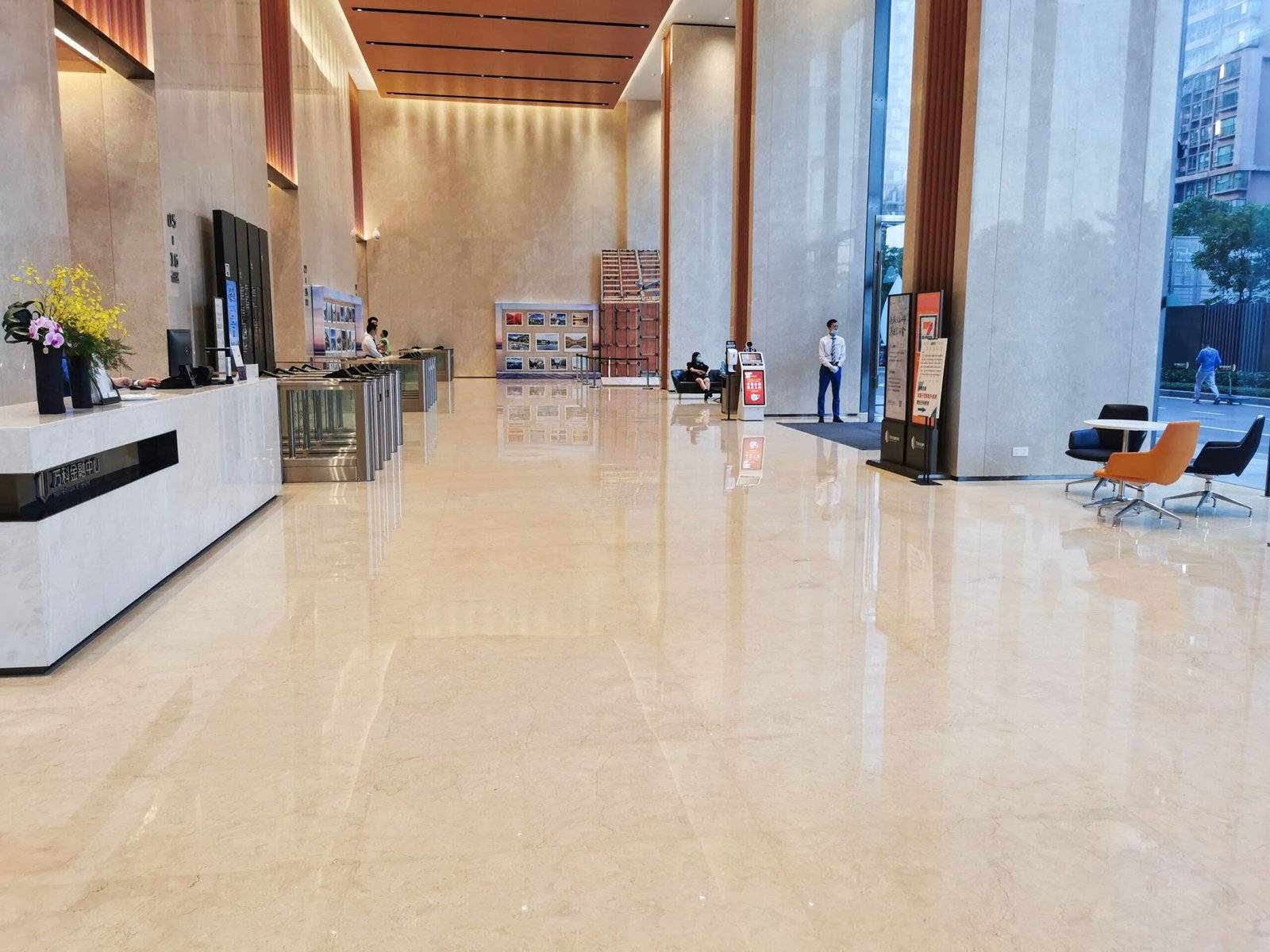
Do not assume that crystallization provides permanent hardness, stain protection, or a fixed gloss reading. Confirm the intended result through a test area and supplier documentation. Continue compatible cleaning and evaluate any separate protection requirement after treatment.
For historic or conservation-sensitive stone, obtain specialist approval before any treatment that changes the surface. Do not select a restoration system solely because it is used in other commercial buildings.
Penetrating or impregnating sealers are intended to reduce absorption within suitable porous surfaces rather than build a surface coating. Their water and oil repellency, appearance effects, and vapor transmission vary by formulation and stone.
Use a test area to confirm the required stain resistance and any appearance change. A sealer gives more time to remove some spills; it does not make the floor stain-proof or protect acid-sensitive stone from etching. Reassess performance as the surface wears.
Follow the selected sealer’s instructions for substrate dryness, coverage, contact time, excess removal, and curing before traffic. Do not transfer a moisture limit or curing schedule from another product. Uneven absorption or unremoved excess may leave visible residue.
Check vapor-transmission requirements and any continuing moisture source before sealing. A breathable product does not remove the need to diagnose dampness, salts, or a below-grade moisture problem.
Topical coatings form a film over the surface. Depending on their chemistry, they can change gloss, color, traction, and the future maintenance process. Confirm that a coating is appropriate for the stone and installation before use.
Agree the wear, inspection, repair, and recoating plan with the coating supplier. Service life depends on traffic, preparation, the coating system, and maintenance; it cannot be inferred from floor area or building type alone.
Prepare the floor to the coating manufacturer’s specification, including removal of incompatible residues and verification of dryness. Use the specified application rate, number of coats, and curing conditions rather than a generic coating recipe.
When a film wears or fails, identify the coating before selecting a repair or removal method. Some systems allow local repair; others need broader removal and recoating. Check removal chemistry against both the coating and the underlying stone.
Use maintenance cleaners approved for the specific coating. Neutral pH alone does not establish compatibility, and stronger cleaners may dull, soften, or discolor a film.
| Stone or soil condition | Cleaning direction | Machine and recovery check | Risk to avoid |
|---|---|---|---|
| Polished marble, limestone, or travertine | Start with an approved stone maintenance cleaner and a small compatibility test before stronger chemistry. | Use non-scratch pads or soft brushes and remove dirty solution quickly. | Etching, dull traffic lanes, residue haze, or chemistry marks. |
| Granite, terrazzo, or hard stone with industrial soil | Match alkaline cleaning or degreasing steps to the soil while respecting any sealer or finish. | Confirm brush pressure, dwell time, rinse recovery, and whether restoration tooling is needed. | Leaving alkaline residue or using cleaning to solve scratches that need restoration. |
| Textured stone and grout lines | Use agitation that reaches low points without damaging high points or edges. | Check bristle stiffness, grout condition, wet vacuum or scrubber recovery, and edge detail tools. | Soil redeposition after agitation or uneven cleaning around grout. |
| White deposits or efflorescence | Identify the deposit, moisture source, and stone sensitivity before selecting a compatible removal method. | Document the source of water movement and test in a controlled area. | Treating a symptom while moisture keeps moving salts to the surface. |
| Post-cleaning gloss or protection planning | Separate routine cleaning from crystallization, sealing, or gloss restoration. | Verify the floor is clean, dry, and compatible with the next maintenance step. | Locking in residue under a sealer or crystallizing before cleaning is complete. |
For technical review, provide the stone type, finish level, soil source, cleaning chemical history, machine model, pad or brush type, water recovery method, and photos of traffic lanes. Helpful adjacent pages include the stone floor cleaning machine guide, granite and terrazzo machine guide, and stone efflorescence guide.
Establishing functional stone care protocols requires moving beyond product selection to comprehensive system design. Three phases structure successful implementations: assessment, training, and monitoring.
Map the stone, finish, coatings, and existing damage by zone using installation records and supplier information. If identification is uncertain, consult a stone specialist; do not apply acid to an installed floor as a routine identification test. Record the current cleaning method and costs as a baseline.
Train staff to distinguish soil from surface damage, select the approved product, measure dilution, fit the specified pad or brush, recover dirty water, and follow the safety data sheet. Verify competence through supervised work and refresh training when products or procedures change.
Monitoring systems track performance metrics: chemical consumption rates, labor hours per square meter maintained, surface condition assessments (annual gloss meter readings at standardized test locations), incident reports documenting any damage or problems, and total cost of ownership calculations. These metrics identify emerging issues before catastrophic failures occur. Rising chemical consumption may indicate improper dilution practices. Increasing labor hours might reflect progressive residue buildup requiring corrective deep cleaning. Declining gloss readings signal inadequate maintenance or incompatible chemical use.
The monitoring cycle includes quarterly management reviews analyzing trends and implementing corrective actions—immediate retraining for protocol violations, chemical substitutions if products underperform, equipment upgrades when ROI analysis supports investment. Documentation captures lessons learned, updating standard operating procedures to reflect field experience and prevent recurring problems.
Use measuring tools only for the questions they can answer. A pH meter checks solution pH, not every aspect of compatibility or concentration. Gloss readings can track appearance at consistent locations and measurement settings. Moisture measurements need a method and interpretation suited to the installation.
Stone care chemicals and maintenance protocols operate within regulatory and quality frameworks that impact specification decisions and liability exposure. Understanding applicable standards helps facilities managers make informed choices while managing risk.
Check the chemical handling rules applicable to the site. Keep current safety data sheets accessible, train staff, and select protective equipment and ventilation from the product hazards and task assessment. Neutral pH does not establish that a product is harmless.
Check product-specific documentation for VOC or emissions requirements and any claimed certification. Emissions certification is not the same as a single VOC-content limit, and a cleaning product does not automatically earn building-certification credits.
ISO 9001 certification for chemical manufacturers indicates quality management systems meeting international standards—documented production processes, continuous improvement programs, supplier quality control, and customer satisfaction measurement. While ISO certification doesn’t guarantee superior product performance, it signals organizational commitment to consistent quality. For facilities specifying stone care programs, manufacturer quality certifications reduce supply chain risk.
Cleaning, polishing, and coatings can change slip resistance. Select a test method and acceptance criteria appropriate to the flooring, exposure conditions, and local requirements with a qualified assessor. Do not use the withdrawn ASTM C1028 static-friction method as proof of current slip-safety compliance.
For stone crystallization specifically, no universally adopted performance standard exists. The technology remains somewhat specialized, with manufacturers providing proprietary formulations and application protocols. Facilities considering crystallization should request documented case studies, performance data from comparable installations, and clear specification of expected service life before recrystallization becomes necessary.
Match the cleaner to the stone, finish, and soil; match the machine and brush or pad to the approved cleaning method; and recover dirty solution before judging the dry result. Treat persistent haze, etching, salt deposits, and moisture as separate diagnostic problems.
For routine work, use an approved maintenance cleaner at the labelled dilution. For greasy soil, use compatible deeper-cleaning chemistry with the specified rinse and recovery process. Reserve specialist deposit removal and restoration for diagnosed problems, with a test area and documented instructions.
Record the machine setup, product dilution, labor, consumables, and appearance after drying. Use those observations to improve the next cleaning cycle and compare equipment or products on the actual site.
Compare stone cleaners, chemicals, and granite stain removal before choosing the chemistry.
Related: Floor cleaning machines · Stone floor cleaners
 English
 Spanish